Key takeaways
- 1 pork tenderloin, about 500–700 g (1–1.5 lb)
- 1 tablespoon neutral oil
- 1 teaspoon kosher salt, or less if using fine salt
- 1 teaspoon smoked paprika
- 1 teaspoon dried thyme
- 1/2 teaspoon garlic powder
- 1/4 teaspoon black pepper
- Optional: 1 tablespoon Dijon mustard for the surface
The best pork tenderloin recipes for juicy weeknight meals use high heat, a thermometer, and a deliberate rest: roast it for the most even cooking, grill it for smoky flavor, or sear it in a skillet when you want the fastest route from refrigerator to table.
Our top picks



As an Amazon Associate we earn from qualifying purchases at no extra cost to you.
Choose the cooking method by your situation
Pork tenderloin is a lean, narrow cut that cooks quickly but has little fat to protect it from overcooking. The method matters less than stopping at the right internal temperature, yet each approach has a clear advantage.
| Method | Typical tenderloin size | Cooking time | Best for | Main risk |
|---|---|---|---|---|
| Roasting | 450–700 g (1–1.5 lb) | 18–28 minutes at 220°C/425°F | Even cooking and hands-off preparation | Drying the tapered ends |
| Grilling | 450–700 g (1–1.5 lb) | 15–22 minutes over two-zone heat | Smoky flavor and outdoor cooking | Burning a sweet glaze before the center is done |
| Skillet searing | 450–600 g (1–1.3 lb), medallions or whole | 10–16 minutes for medallions | Small kitchens and the quickest dinner | Uneven thickness and a scorched pan |
For any method, cook pork tenderloin until the thickest part reaches 63°C/145°F, then rest it for at least three minutes. The temperature may rise a few degrees while resting. A digital instant-read thermometer is more dependable than color, timing, or firmness.
The best all-purpose roasted pork tenderloin
Roasting is the most forgiving option because the oven surrounds the meat with steady heat. It is a strong choice for a first attempt, meal prep, or a dinner served with vegetables on one tray.
Ingredients for four servings
- 1 pork tenderloin, about 500–700 g (1–1.5 lb)
- 1 tablespoon neutral oil
- 1 teaspoon kosher salt, or less if using fine salt
- 1 teaspoon smoked paprika
- 1 teaspoon dried thyme
- 1/2 teaspoon garlic powder
- 1/4 teaspoon black pepper
- Optional: 1 tablespoon Dijon mustard for the surface
Method
- Remove the tenderloin from its packaging and pat it dry. Trim away the tough, silvery membrane with a sharp knife; leaving it on can make the meat curl and chew unevenly.
- Heat the oven to 220°C/425°F. Rub the pork with oil, then coat it with the spice mixture. Dijon mustard can help the seasoning adhere and adds mild acidity.
- Place the tenderloin on a rimmed baking sheet or in a shallow roasting pan. Roast for approximately 18–28 minutes, depending on diameter.
- Begin checking the center at 15 minutes. Remove the pork when it reaches 60–63°C/140–145°F, depending on how much carryover cooking you expect.
- Transfer it to a board, loosely cover with foil, and rest for 5–10 minutes. Slice across the grain into rounds about 1 cm (3/8 inch) thick.
The tapered end may finish before the thick center. Tuck the narrow end underneath itself before roasting, or fold it toward the middle and secure it with kitchen twine. This creates a more uniform cylinder and reduces dry slices.
When grilling is the better choice
Grilling gives pork tenderloin browned edges and a lightly smoky crust without requiring a long cook. Use a two-zone fire or a gas grill with one hot side and one cooler side. This lets you sear first and finish gently if the outside is browning too quickly.
Grilled pork with maple-mustard glaze
Whisk together 2 tablespoons Dijon mustard, 1 tablespoon maple syrup, 1 tablespoon olive oil, 1 teaspoon apple cider vinegar, and a pinch of salt. Reserve half for serving and use the rest as a thin coating during cooking.
- Preheat the grill to approximately 230–260°C/450–500°F on the hot side.
- Pat the pork dry, remove the silver skin, and season with salt and pepper. Coat it lightly with oil.
- Sear over direct heat for 2–3 minutes per side, turning until all sides have grill marks.
- Move the tenderloin to indirect heat. Brush with the glaze during the final 3–5 minutes rather than at the beginning; the maple can burn.
- Close the lid and cook until the center reaches 63°C/145°F. A 500 g tenderloin commonly takes 15–22 minutes total, but grill temperature and thickness vary.
- Rest for 5–10 minutes before slicing, then serve with the reserved sauce.
Do not repeatedly press the meat with tongs. The pressure does not reliably tell you whether it is done and can force out flavorful juices. Turn it with tongs and use the thermometer through the side of the thickest section.
Skillet pork tenderloin for the fastest meal
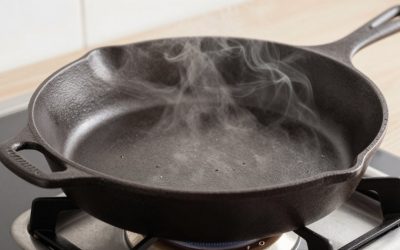
A skillet is ideal when you need dinner quickly or do not want to heat the oven. Cut the tenderloin into medallions rather than cooking it whole: the increased surface area creates more browning and reduces the time needed for the center to cook.
Garlic-pan sauce
Slice one tenderloin into 2 cm (3/4-inch) medallions. Season with salt and pepper. Heat 1 tablespoon of oil in a heavy skillet over medium-high heat, then sear the medallions for about 2–3 minutes per side. Work in batches if necessary; crowding causes steaming instead of browning.
Transfer the pork to a plate when the thickest medallion reaches approximately 60–63°C/140–145°F. Lower the heat and add 1 minced garlic clove, 120 ml (1/2 cup) chicken stock, and 1 teaspoon Dijon mustard. Scrape up the browned bits, simmer for 2–3 minutes, and whisk in 1 tablespoon of cold butter off the heat. Return the pork and its juices to the skillet for 30 seconds.
This sauce helps prevent the meal from tasting dry, but it cannot repair pork that has been cooked far past 63°C/145°F. If the pan becomes dark or smoky before the pork is ready, move the meat to a moderate oven or reduce the burner immediately.
Sauces that protect flavor without hiding the pork
- Apple-cider pan sauce: Deglaze the skillet with 120 ml (1/2 cup) apple cider, add 1 teaspoon Dijon mustard, and reduce until lightly syrupy. It pairs well with roasted squash.
- Herb yogurt sauce: Mix plain Greek-style yogurt with lemon juice, chopped parsley, dill, salt, and a grated garlic clove. Serve cold beside grilled pork.
- Cherry-balsamic sauce: Simmer frozen pitted cherries with 1 tablespoon balsamic vinegar and a pinch of salt for 5–7 minutes. Add black pepper for contrast.
- Salsa verde: Combine chopped parsley, capers, lemon zest, lemon juice, olive oil, and a little garlic. Its acidity and herbs balance the lean meat.
Apply sugary sauces late, especially on a grill. Acidic or herb-based sauces can be served at the table and do not need to withstand high heat.
Decision guide: which recipe should you use?
| Your situation | Best choice | Why |
|---|---|---|
| New to cooking pork | Roasting | Steady heat and easy thermometer access |
| Cooking for two in a small kitchen | Skillet medallions | Fast, compact, and produces a built-in pan sauce |
| Cooking outdoors | Two-zone grilling | Strong browning with control over the finishing heat |
| Using a sweet glaze | Roasting or indirect grilling | Lower exposure to direct flame reduces burning |
| Preparing leftovers for lunch | Roasting whole | Thicker slices retain moisture better than thin medallions |
Common mistakes and leftover storage
Do not confuse pork tenderloin with pork loin. Tenderloin is a small, narrow muscle and typically weighs about 450–700 g; pork loin is much larger and needs a different timing and temperature strategy. Also check the package for a silverskin membrane, which should be trimmed rather than simply scored.
Store cooked pork in a shallow airtight container and refrigerate it within two hours. Use it within three to four days. Reheat gently with a spoonful of stock, sauce, or water, covered in a skillet or microwave-safe dish. High, dry reheating is the quickest way to turn already-cooked tenderloin tough.
The most useful equipment is a thermometer, not a specialized roasting pan. A sharp knife makes trimming safer and slicing cleaner, while a heavy skillet improves browning. With those basics, the reliable formula is simple: dry the surface, brown the meat, measure the center, rest it, and add sauce after cooking rather than relying on sauce to compensate for overcooking.