Key takeaways
- 450 g cleaned fresh huitlacoche, or 350 g drained canned huitlacoche
- 15 ml neutral cooking oil or unsalted butter
- 80 g finely diced white onion
- 1 minced garlic clove
- 1 finely chopped poblano pepper, about 100 g
- 2 g salt to start, plus more if needed
- 15 ml water or unsalted stock, only if the pan becomes dry
- 10 g chopped epazote, or 5 g fresh cilantro if epazote is unavailable
The safest way to make corn smut recipes is to use huitlacoche from a reputable food supplier, trim away tough or damaged material, keep it refrigerated, and cook it thoroughly before serving.
Our top picks


As an Amazon Associate we earn from qualifying purchases at no extra cost to you.
What Huitlacoche Is—and What to Buy
Huitlacoche is corn infected by the edible fungus Ustilago maydis. It is also called corn smut or Mexican truffle and has an earthy, mushroom-like flavor with hints of sweet corn. Although the name “smut” can sound alarming, culinary huitlacoche is a traditional food when correctly identified, harvested, handled, and cooked.
For dependable corn smut recipes, buy fresh, frozen, or canned huitlacoche that is labeled for human consumption. Avoid collecting fungus from garden or field corn unless you have expert identification and know the crop has not been exposed to pesticides or other contaminants. Do not use specimens with fuzzy blue, green, orange, or black growth, a strongly rotten smell, leaking liquid, or extensive mushiness.
| Form | Typical package size | Best use | Preparation | Storage guide |
|---|---|---|---|---|
| Fresh | 150–450 g | Tacos, quesadillas, omelets | Trim, wipe or rinse briefly, then sauté 8–12 minutes | Refrigerate at 4°C/40°F or below; use within 2–3 days |
| Frozen | 250–500 g | Soups, fillings, sauces | Thaw in the refrigerator and drain excess liquid | Keep frozen until needed; use promptly after thawing |
| Canned or jarred | 200–400 g drained weight | Fast weeknight fillings | Drain, rinse if salty, and cook 5–8 minutes | Refrigerate leftovers in a covered container |
How to Clean Huitlacoche Safely
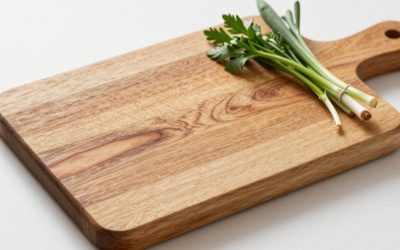
- Wash your hands and sanitize the work area. Use clean utensils and a cutting board that has not held raw meat or unwashed produce.
- Inspect every piece. Discard anything with a sour or putrid odor, colored mold unrelated to the dark gray-black interior, or a slimy texture that does not seem characteristic of the product.
- Trim the base and hard husk fragments. Cut away tough stem-like portions, dry edges, and bits of corn husk. Soft dark tissue is usually the part used in cooking.
- Clean briefly. Wipe fresh huitlacoche with a damp paper towel or rinse it quickly under cool running water. Do not soak it, because it can absorb water and become difficult to brown.
- Drain and cut. Pat dry, then slice large pieces into roughly 1–2 cm chunks. Canned huitlacoche should be drained; rinse it only when the brine is noticeably salty.
- Keep it cold until cooking. Do not leave fresh or opened huitlacoche at room temperature for more than 2 hours, or more than 1 hour when the surrounding temperature is above 32°C/90°F.
Cleaning does not make an unidentified wild fungus safe. If the appearance or source is uncertain, discard it rather than trying to rescue it by cooking.
Basic Sautéed Huitlacoche Formula
This measured method produces about 2 cups of cooked filling, enough for 8 small tacos, 4 quesadillas, or 2–3 servings as a side dish.
- 450 g cleaned fresh huitlacoche, or 350 g drained canned huitlacoche
- 15 ml neutral cooking oil or unsalted butter
- 80 g finely diced white onion
- 1 minced garlic clove
- 1 finely chopped poblano pepper, about 100 g
- 2 g salt to start, plus more if needed
- 15 ml water or unsalted stock, only if the pan becomes dry
- 10 g chopped epazote, or 5 g fresh cilantro if epazote is unavailable
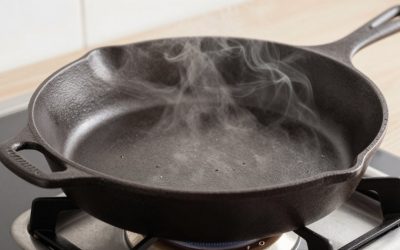
- Heat a 25–30 cm skillet over medium heat. Add the oil or butter.
- Cook the onion and poblano for 4–5 minutes, stirring occasionally, until softened.
- Add the garlic and cook for 30 seconds.
- Add the huitlacoche and salt. Cook fresh huitlacoche for 8–12 minutes, or canned huitlacoche for 5–8 minutes. Stir every 1–2 minutes.
- Continue until the mixture is steaming hot, most visible liquid has evaporated, and the pieces are tender. A food thermometer should read at least 74°C/165°F when reheating prepared leftovers or a chilled filling.
- Stir in epazote or cilantro during the final minute. Taste and adjust salt.
Do not crowd the pan. For more than 450 g of fresh huitlacoche, use a large skillet or cook in batches. Crowding causes steaming rather than browning and can leave the center cool.
Three Practical Corn Smut Recipes
Huitlacoche Tacos
Use 2 cups of the basic sauté for 8 small corn tortillas. Warm each tortilla for 20–30 seconds per side, then add approximately 60 g of filling. Finish with crumbled queso fresco, sliced avocado, pickled onion, or a squeeze of lime. If cheese is added, choose a pasteurized product and keep the finished tacos hot until served.
Huitlacoche and Cheese Quesadillas
For 4 quesadillas, divide 2 cups of cooked huitlacoche and 120 g shredded Oaxaca, mozzarella, or another good-melting cheese among eight 15 cm tortillas. Put filling on four tortillas, top with cheese, and close with the remaining tortillas. Cook over medium-low heat for 2–3 minutes per side, until the tortillas are crisp and the cheese is fully melted. The lower heat prevents burning before the center warms.
Creamy Huitlacoche Filling
For a richer filling, add 120 ml heavy cream or Mexican crema to 2 cups of cooked huitlacoche. Simmer for 3–5 minutes until lightly thickened. Use it in enchiladas, stuffed poblano peppers, or over toast. To make it dairy-free, substitute 120 ml unsweetened oat cream or cashew cream; avoid sweetened plant beverages, which can make the filling taste dessert-like.
Substitutions That Preserve the Right Texture
| If you lack | Use instead | Amount for 450 g huitlacoche | What changes |
|---|---|---|---|
| Epazote | Cilantro | 5 g | Brighter and fresher, but less herbal |
| Poblano | Green bell pepper plus jalapeño | 100 g bell pepper plus ½ jalapeño | Similar volume with adjustable heat |
| Fresh huitlacoche | Frozen huitlacoche | 450 g frozen, thawed and drained | Slightly softer; brown it a little longer |
| Queso fresco | Feta or farmer cheese | 80–100 g | Feta is saltier; reduce added salt |
| Corn tortillas | Flour tortillas | 8 small tortillas | Softer, less toasted flavor |
Common Mistakes and Leftover Rules
- Over-soaking: Waterlogged huitlacoche will release liquid into the skillet and become difficult to brown.
- Under-seasoning: Its earthy flavor benefits from onion, garlic, chile, herbs, and enough salt, but canned versions may already be salty.
- Cooking only until warm: Cook refrigerated or previously prepared filling until steaming hot throughout.
- Leaving filling in the skillet: Transfer leftovers to a shallow covered container and refrigerate within 2 hours.
- Keeping leftovers too long: Use cooked huitlacoche within 3–4 days, or freeze it in portions for about 2–3 months for best quality. Reheat only the amount you plan to eat.
The first quality loss is usually excess moisture: frozen or canned huitlacoche can turn soft after repeated thawing and reheating. Portioning before freezing, draining carefully, and reheating once helps preserve texture. If leftovers develop an off odor, visible mold, or unusual bubbling, discard them rather than tasting them.
Quick Answers About Corn Smut Recipes
Can huitlacoche be eaten raw?
It is best treated as a cooking ingredient rather than a raw salad item. Cooking improves flavor and texture and reduces the risk associated with consuming a perishable, moist food.
Why is my huitlacoche watery?
Fresh huitlacoche naturally releases liquid, and frozen or canned versions may release more. Cook uncovered over medium heat until the liquid evaporates, using a wider pan if necessary.
Can I replace mushrooms with huitlacoche?
Yes, especially in tacos, quesadillas, pasta, eggs, and creamy sauces. Begin with an equal weight, but expect huitlacoche to be softer and more corn-like than button or cremini mushrooms.
When should I avoid eating it?
Do not eat huitlacoche if it is unidentified, spoiled, contaminated by chemicals, or sold without clear food-use labeling. People with food allergies or special dietary concerns should consult an appropriate health professional before trying an unfamiliar ingredient.