Key takeaways
- Track saw: great for breaking down sheet goods in tight spaces.
- Circular saw with guide rail: lighter option for occasional straight cuts.
- Contractor saw or hybrid saw: a step up in size and accuracy if you have shop space.
The DEWALT DWE7485 suits most homeowners and contractors who want a compact jobsite saw with strong guarding, a SawStop jobsite model suits buyers who put injury mitigation first, and a smaller Bosch compact saw suits people who need something light for trim and small projects. Rip capacity, stand, fence quality, and the guarding system matter more than horsepower figures, so match those to your typical cuts.
Our top picks
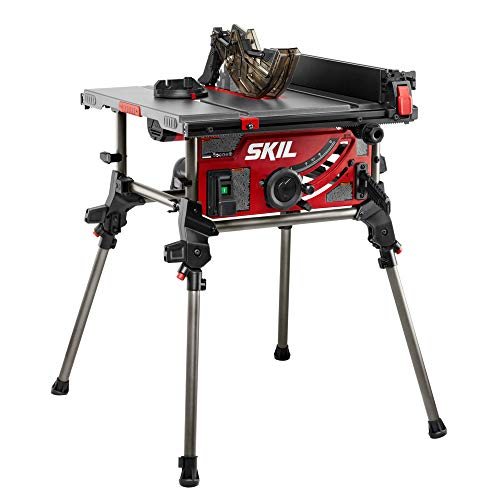
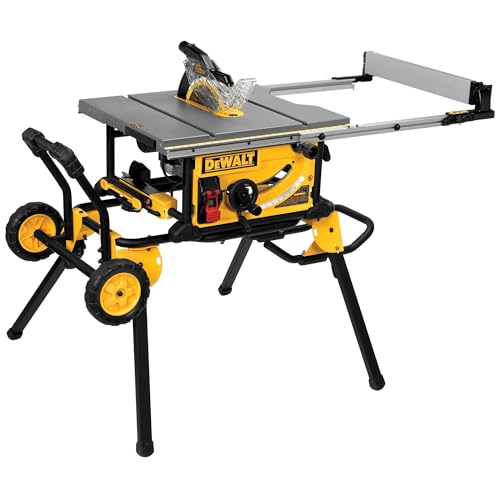


As an Amazon Associate we earn from qualifying purchases at no extra cost to you.
Portable Table Saws at a Glance
| Saw | Best for | Key stated specs | Limits |
|---|---|---|---|
| DEWALT DWE7485 | All-round jobsite and shop use | 8-1/4 inch blade, 15 amp motor, 24.5 inch rip capacity, blade brake, riving knife, power-loss reset (maker) | Stand sold separately on the base model; smaller blade than 10 inch saws |
| SawStop jobsite saw line | Safety-first buyers, shared shops | Maker describes a flesh-detection brake system on its saws; 10 inch blade class | Heavier, premium tier, replacement brake cartridge after a trigger |
| Bosch compact jobsite saws | Light work, trim, small projects | Maker lists compact bodies with rack-and-pinion or similar fences depending on model | Smaller capacity than larger jobsite saws |
| Ryobi and similar budget jobsite saws | Occasional DIY | Entry-level motors and fences, per maker pages | Fence accuracy and dust handling vary |
Specs for the DEWALT DWE7485 come from the maker’s product page. Other rows describe the type of saw and what the makers say about their lines; confirm exact numbers on the model you shortlist.
What to Look For
Rip capacity
Rip capacity is how far the fence can sit from the blade. The DWE7485 maker lists 24.5 inches, enough for ripping a 4 by 8 sheet of plywood in half with support. If you work mostly with narrow stock, less capacity is acceptable.
Blade size and depth of cut
Many compact jobsite saws use 8-1/4 inch blades, which limit depth of cut compared with 10 inch blades. A 10 inch saw cuts thicker stock in a single pass and has a wider choice of blades. A smaller blade is lighter and can be quieter, but check the maximum depth you actually need for 2x lumber and hardwood.
Fence system
A good fence locks parallel to the blade and is easy to set. The maker lists a rack-and-pinion fence on the DWE7485. Reviewers of jobsite saws across brands often point to fence accuracy as the biggest difference between budget and premium models.
Guarding and safety
The maker lists a non-through-cut riving knife, anti-kickback pawls, blade brake, and power-loss reset for the DWE7485, along with a modular guard system with tool-free adjustment. A riving knife helps reduce the chance of kickback, and a power-loss reset prevents the saw from restarting by itself after a power interruption. Always use the guard, push sticks, and follow the manual.
Stand and portability
A stand makes a jobsite saw usable for long sessions. Some saws ship with a folding or scissor stand, and the DWE7485 base model lists the stand as sold separately, with a scissor stand version available. Check the weight if you carry the saw up stairs.
Dust collection
Table saws throw a lot of dust. Look for a port compatible with a shop vacuum and wear a dust mask or respirator suited to the material you cut.
DEWALT DWE7485: Best All-Rounder
This compact saw packs a 15 amp, 5800 RPM brushed motor, an 8-1/4 inch blade, and a metal roll cage base according to the maker. The on-board storage and compact size suit mobile work. Pairing the saw with a stand and a good blade is a common upgrade path discussed by reviewers.
Limits: it is not a replacement for a cabinet saw, and the smaller blade limits cut depth.
SawStop Jobsite Saw: Best for Safety Priority
SawStop saws are built around a brake that the maker says stops the blade on skin contact. That makes the line attractive for households with less-experienced users and for shared workshops. The trade-off is a heavier body and higher cost tier. After a brake triggers, the maker states a replacement cartridge is needed, and the blade usually needs to be replaced as well. Even with this technology, follow all standard safety practices.
Bosch Compact Jobsite Saws: Best for Light Work
Bosch makes jobsite saws known for their stand systems and fence designs. Smaller models appeal to those who cut trim, small furniture parts, and shelving. Check the maker’s pages for stand compatibility and rip capacity before buying.
Budget-Tier Saws
Entry-level jobsite saws from Ryobi, Craftsman, and similar brands can handle occasional cuts, but reviewers commonly note that fence alignment and stability need more attention. If you plan to build furniture or do repeated accurate cuts, move up a tier.
Pick X If You…
| Pick this | If you… |
|---|---|
| DEWALT DWE7485 | want a proven compact saw with strong guarding and good rip capacity |
| SawStop jobsite saw | put active injury mitigation first and accept the weight and cost |
| Bosch compact saw | need a lighter saw for trim and small builds |
| Budget saw | cut occasionally and accept more setup work |
Safety Notes
Read the manual before first use. Wear eye and hearing protection, use a push stick or push block, never reach over the blade, and never remove the guard or riving knife for through cuts. Do not cut wet or warped stock. Use a properly rated extension cord, and if you are unsure about electrical supply in a garage or site, consult an electrician.
Alternatives
- Track saw: great for breaking down sheet goods in tight spaces.
- Circular saw with guide rail: lighter option for occasional straight cuts.
- Contractor saw or hybrid saw: a step up in size and accuracy if you have shop space.
Frequently Asked Questions
What size table saw is best for a home workshop?
A 10 inch saw gives more cut depth and blade options, but a compact 8-1/4 inch jobsite saw is lighter and cheaper. Choose based on the thickest stock you cut and how often you move the saw.
Do I need a stand for a portable table saw?
A stand makes the saw safer and more comfortable to use at working height. Some models include one and others sell it separately, so factor that into your budget.
Is a riving knife necessary?
A riving knife follows the blade and helps keep the kerf open, reducing kickback risk. Most current saws include one, and you should use it whenever the cut allows.
Can a portable table saw cut a full sheet of plywood?
Rip capacity determines how wide a board you can cut, and the DWE7485 maker lists 24.5 inches for ripping plywood and OSB sheets. You still need outfeed support for large sheets, and many people break down sheets with a track saw or circular saw first.
Are flesh-detection saws worth it?
That depends on who uses the saw. Households with beginners or shared workshops often value the added protection, but it does not replace safe technique. Replacement cartridges add to the cost after a trigger.
How should I maintain a jobsite table saw?
Keep the table clean, check blade sharpness, align the fence, and clear dust from the motor vents. Follow the maker’s manual for lubrication and replacement parts.