Key takeaways
- Harvest often. Pinching tips encourages bushier growth in basil and mint.
- Keep the light close to the plants but not touching them. Raise it as they grow.
- Do not overfill the reservoir above the maker’s marker.
- Clean the reservoir at the interval the maker suggests to limit algae and slime.
- Rinse herbs before eating, as you would any fresh produce.
- Place the unit on a stable, water-resistant surface away from the sink edge and out of direct splash.
- Keep cords dry and use the provided power supply. If you notice damage, stop use and contact the maker.
- If you have pets, check which herbs are safe for them before growing them within reach.
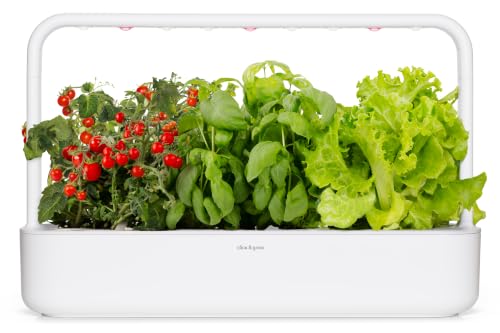
For most people starting with a kitchen herb garden, a compact countertop unit such as the Click and Grow Smart Garden or an AeroGarden Harvest is the easiest route, while anyone who wants more plants and leafy greens as well as herbs will do better with a larger system like the Gardyn or Rise Gardens. Smart gardens are self-watering, light-equipped planters, and the right one depends on counter space, how many plants you want and whether you mind buying proprietary pods.
Our top picks


As an Amazon Associate we earn from qualifying purchases at no extra cost to you.
How Smart Herb Gardens Work
A smart garden combines a grow light, a water reservoir and a planting system, with automatic timing so plants receive light on a schedule. Systems like AeroGarden use hydroponics, in which roots sit in nutrient-enriched water, and the maker supplies nutrients to add. Click and Grow uses a soil-like substrate in pre-seeded pods, with the unit managing light and water. Larger vertical systems such as Gardyn and Rise Gardens use hydroponic or aeroponic-style designs.
Herbs such as basil, mint, parsley, chives and thyme are commonly grown in these systems. Plants that grow tall or flower, such as tomatoes, need larger units and more light.
At a Glance: Smart Gardens Compared
| System | Best for | Key stated traits | Limits |
|---|---|---|---|
| Click and Grow Smart Garden 3 | Small counters, beginners | Maker lists three plant pods and built-in grow light | Small harvest; relies on maker’s pods |
| Click and Grow Smart Garden 9 | Small households wanting variety | Maker lists nine pods and full-spectrum light | Needs more counter space |
| AeroGarden Harvest | Kitchen herbs, hydroponics | Maker lists a multi-pod hydroponic system with LED light and nutrient reminders | Needs nutrient tablets; light can be bright in a room |
| AeroGarden Sprout | Very small spaces | Maker lists a compact, few-pod design | Limited plant count and height |
| Gardyn Studio | Larger yields, vertical growing | Maker lists a tall vertical hydroponic design with an app | Larger footprint; premium tier |
| Rise Gardens Personal | Modular indoor growing | Maker lists a modular, expandable hydroponic design | Premium tier; takes space |
| Lettuce Grow Farmstand | Outdoor patios | Maker lists a vertical outdoor tower | Not an indoor kitchen unit |
What to Look For
Number of Pods and Plant Types
Think about how many herbs you use. A three-pod unit gives a few plants, sufficient for basil, mint and chives, while nine pods or more allow variety and regular harvests. Check the maker’s list of compatible plants and pod sizes.
Counter Space and Height
Many units have an arm or hood that holds the light above the plants. Measure the space under cabinets, since herbs grow upward and need clearance. Small hydroponic units often let you raise the light as plants grow.
Proprietary Pods vs Your Own Seeds
Click and Grow pods are pre-seeded and convenient but tie you to the maker’s catalog. Some AeroGarden models allow you to use your own seeds with a grow kit. Think about ongoing costs and flexibility.
Light Quality and Schedule
Full-spectrum LED lights are common. Most units run on an automatic schedule. Consider where the light will be visible; some are bright enough to bother in a bedroom or open-plan living room.
Water Reservoir and Maintenance
A larger reservoir means less frequent refilling. Cleaning the reservoir periodically helps limit algae. Follow the maker’s instructions on nutrient addition and cleaning.
Noise and Power
Hydroponic pumps may hum quietly. Units run on mains power through an adapter. Use the supplied adapter and keep the cord and electronics away from spills, in line with the manual.
App Connectivity
Apps provide reminders and scheduling. They are helpful for beginners but not essential for small units.
Budget Tiers
Budget
Compact three-pod systems and basic AeroGarden models suit beginners who want a handful of herbs. They have small yields but are easy to use and store.
Mid-Range
Larger countertop units with six to nine pods and decent lighting suit households that cook with fresh herbs regularly.
Premium
Vertical and modular systems such as Gardyn and Rise Gardens support more plants including leafy greens and some fruiting plants. They suit committed gardeners with space, and typically involve higher ongoing costs for pods or nutrients.
Pick X If … Decision Table
| If you … | Choose | Why |
|---|---|---|
| Have a small kitchen and want a few herbs | Click and Grow Smart Garden 3 or AeroGarden Sprout | Compact and low effort |
| Cook with herbs several times a week | Click and Grow Smart Garden 9 or AeroGarden Harvest | More plants and variety |
| Want to grow lettuce and greens as well | Gardyn or Rise Gardens | Larger capacity |
| Want to use your own seeds | A hydroponic unit that supports seed kits | Flexibility and lower pod costs |
| Have a sunny windowsill | Plain pots may suffice | Natural light can do the job |
| Garden on a patio | Outdoor tower such as Lettuce Grow | Designed for outdoor use |
Getting Good Results
- Harvest often. Pinching tips encourages bushier growth in basil and mint.
- Keep the light close to the plants but not touching them. Raise it as they grow.
- Do not overfill the reservoir above the maker’s marker.
- Clean the reservoir at the interval the maker suggests to limit algae and slime.
- Rinse herbs before eating, as you would any fresh produce.
- Place the unit on a stable, water-resistant surface away from the sink edge and out of direct splash.
- Keep cords dry and use the provided power supply. If you notice damage, stop use and contact the maker.
- If you have pets, check which herbs are safe for them before growing them within reach.
Alternatives to Consider
Windowsill Pots
If you have a bright south-facing window, ordinary pots with potting mix cost little and work well for hardy herbs like thyme and chives. Light is the limiting factor in winter.
Standalone Grow Lights
A plug-in LED grow light with a timer over your own pots offers flexibility. It lacks the water management but suits people who like soil gardening.
Simple Hydroponic Kits
Basic jar or tray kits let you try hydroponics without a large investment. They need more manual care but teach the basics.
Running Costs and Practical Trade-offs
The purchase price is only part of the story. Smart gardens run on electricity for the light and pump, and they use ongoing supplies: replacement pods, seed kits and liquid or tablet nutrients, depending on the system. Makers publish suggested replacement intervals, and a unit used heavily can need new pods several times a year. Budget accordingly, and compare pod availability for the herbs you actually cook with.
Harvest size is the other trade-off. Small units produce a modest amount: enough to garnish dishes and make pesto occasionally, but not a replacement for a weekly shop. Larger systems yield more and can grow greens, though they take more space and cost more. Flavour is a matter of taste, and many users report that fresh herbs grown at home are convenient rather than dramatically different from store-bought.
Some practical points: keep the unit where you will remember to tend it, such as near the kettle; avoid placing it next to a hot stove; and clean it between crops to reduce buildup. If you travel often, look for models with larger reservoirs and holiday modes. If a unit stops working, contact the maker and review the warranty, and never open the electronics yourself.
Frequently Asked Questions
Which herbs grow best in a smart garden?
Basil, mint, parsley, chives, cilantro, dill and thyme are commonly listed by makers. Fast-growing leafy herbs do well under LED light. Larger or woody herbs may need more space and time.
Do smart gardens need sunlight?
No, the built-in lights are designed to replace sunlight, and the units run on a timer. Placing them near a window is not required, although plenty of room light helps visibility.
Are smart gardens worth it compared with a windowsill?
They suit people without bright windows, or who want a more automated routine. Windowsill pots cost less and work for hardy herbs where light is good. The right choice depends on your space and budget.
How often do I need to refill the water?
It depends on the model and the number of plants, with makers often giving a reminder light or app notice. Top up as indicated and clean the reservoir at the recommended interval.
Can I use my own seeds?
Some systems allow it with a reusable pod kit, while others use the maker’s pods only. Check the specific model, since this affects long-term cost and variety.
Is the light safe to look at?
Grow lights can be bright, and makers often advise against staring directly at them. Position the unit so the light does not shine into the eyes, and follow the safety notes in the manual.