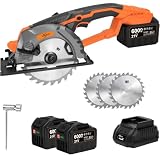
The best power tool combo kit for most people is a drill and impact driver pair on a battery platform with a wide range of add-on tools, such as DeWalt 20V MAX, Milwaukee M18, Makita 18V LXT or Ryobi One+. Casual homeowners can start with a lower-cost two-tool kit, while serious DIYers and tradespeople benefit from larger kits that add a circular saw, reciprocating saw or multi-tool on the same battery.
Our top picks


As an Amazon Associate we earn from qualifying purchases at no extra cost to you.
Combo Kit Platforms at a Glance
| Platform | Best for | Key stated details | Limits |
|---|---|---|---|
| DeWalt 20V MAX / XR | All-round DIY and contractor use | Large catalog of tools on one battery; many kits include a drill/driver and impact driver, according to the maker | Premium tiers cost more; compact batteries run shorter |
| Milwaukee M18 / M18 Fuel | Heavy use and trades | The maker lists a very wide tool range and brushless Fuel line | Kits are priced above entry level |
| Makita 18V LXT | Users who value compactness and long-term support | Brushless options and a long-running battery system | Some kits skip bags or accessories |
| Ryobi One+ 18V | Budget-conscious homeowners | One battery platform covering garden tools, work lights and workshop tools, as stated by the maker | Lower durability and power than pro lines |
| Bosch 18V, Ridgid 18V, Craftsman V20, Skil PWR CORE 20 | Value-oriented kits and sales | Often include a bag and two batteries | Smaller tool ecosystems on some platforms |
Why the Battery Platform Matters Most
A combo kit is really a decision about a battery system. Once you own two batteries and a charger, every bare tool on that platform becomes cheaper than a full kit. Reviewers consistently suggest looking at the list of tools you may want in the next few years, such as a circular saw, an oscillating tool, a work light or a vacuum, and picking the platform that covers them.
Tools from different brands are not interchangeable by default. Some third-party adapters exist, but makers generally do not endorse them, and the adapters can create warranty or safety concerns. Staying inside one platform is the safer, simpler option.
What Usually Comes in a Kit
Two-tool kits
The common starter is a drill/driver and an impact driver, plus two batteries, a charger and a bag. This pair covers drilling, driving screws, assembling furniture, hanging shelves and building decks.
Three- to five-tool kits
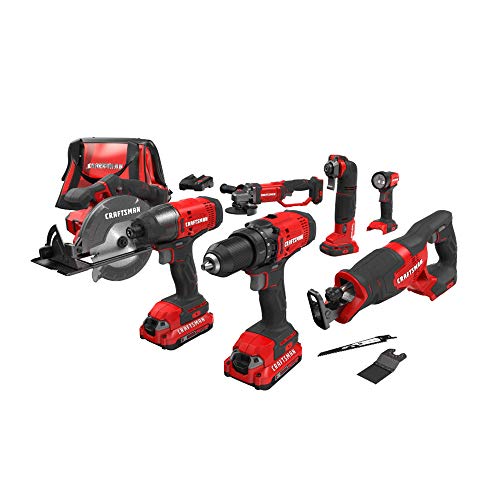
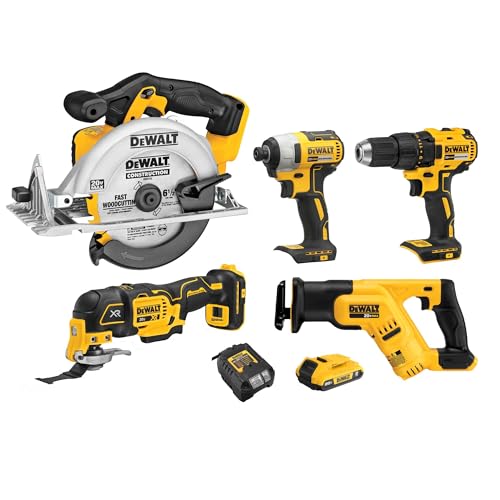
Mid-sized kits add a circular saw, reciprocating saw, oscillating multi-tool, a work light or a small blower. They give good value if you need all of the included tools, but a kit that adds a tool you will not use is not saving money.
Large kits (six or more tools)
These suit a workshop or a new homeowner outfitting a garage. They typically include several batteries, and sometimes a bench-top charger. Weigh the bag size and storage space before committing.
Battery Details
Amp-hour ratings indicate capacity. Compact packs (around 1.5 to 2.0 Ah) keep tools light for overhead work, while larger packs (4.0 Ah and up) run longer on saws and heavy drilling. Many kits include a mix. Brushless motors generally use battery power more efficiently, according to the makers, and often feel more powerful in the same size body.
Charge your batteries with the charger the maker supplies, and do not use damaged packs. Store them away from heat and follow the manufacturer’s manual.
Budget Tiers
Budget
Ryobi One+, Skil, Black+Decker and similar lines give homeowners a simple way to get a drill and impact driver with two batteries. Expect plastic housings, brushed motors and a shorter service life under heavy use.
Mid-range
DeWalt 20V MAX, Craftsman V20, Bosch and Ridgid kits offer solid performance for weekend projects and renovation, often with warranties that appeal to long-term owners.
Premium
Milwaukee M18 Fuel, DeWalt XR and Makita brushless kits are designed for heavy daily use. The additional cost buys durability, torque and tool variety.
Pick This If …
| You are … | Choose |
|---|---|
| A first-time homeowner | Two-tool drill and impact kit on Ryobi One+ or DeWalt 20V MAX |
| A frequent DIYer or renovator | Three- to five-tool kit adding a circular saw and reciprocating saw |
| A tradesperson or heavy user | Milwaukee M18 Fuel, DeWalt XR or Makita brushless combo |
| Someone who already owns one brand | Bare tools on that platform instead of a new kit |
| On the tightest budget | Entry two-tool kit from a value-oriented line |
| Interested in outdoor tools too | Ryobi One+ or a platform with a matching outdoor range |
Fit, Size and Compatibility Notes
Look at the chuck size of the drill. A half-inch chuck handles larger bits and holes, while a three-eighths chuck is lighter and fine for household use. Impact drivers typically use a quarter-inch hex collet. Check that the kit includes a charger that matches the batteries and that the bag is large enough to store everything.
Weight and grip matter for comfort. Compact tools are friendlier for overhead work, while full-size ones give better torque. Many makers list weight with and without the battery; compare similar numbers.
Safety and Care Notes
Read the maker’s manuals before using any power tool. Wear eye protection and, for sawing and grinding, hearing and dust protection. Clamp work securely, remove the battery when changing bits or blades, and keep guards in place. Do not use tools in wet conditions unless the manual allows it. Replace dull bits and blades instead of forcing the tool, since extra force overheats motors and batteries.
If a battery pack swells, leaks or becomes unusually hot, stop using it and follow the maker’s disposal guidance and local recycling rules.
Matching a Kit to a Project List
Start by writing down the jobs you expect in the next year. Hanging shelves, assembling furniture and basic repairs need only a drill/driver and an impact driver. Building a deck, framing a shed or renovating a room adds a circular saw, a reciprocating saw and an oscillating multi-tool. Garage and car work benefits from an impact wrench and work lights, while landscaping calls for outdoor tools that share the battery.
When comparing kits, read what is actually included. Some listings count a charger or a bag as a tool, and some tools are bare while others ship with batteries. A kit with one large battery and one compact battery covers both overhead work and long cuts better than two identical packs.
Warranty and Service
Warranty length varies by maker and by product category, and often differs for tools, batteries and chargers. Read the terms and keep proof of purchase. Check whether the brand has local service centers, since a tool that can be repaired is more economical than one that must be replaced. Major platforms generally have wide dealer networks and long parts support, which is part of why many reviewers favor them for first kits.
Bits, Blades and Extras
Kits seldom include a full set of bits and blades. Plan for a driver bit set with impact-rated bits, a drill bit set for wood and metal, and spare saw blades. Impact-rated bits are designed to withstand the sudden torque of an impact driver, whereas standard bits can snap. A small tool bag or stackable case keeps everything together and makes a kit easier to carry.
It is also worth checking the charger. Some kits include a slower charger, while others include a rapid charger that refills a pack in a shorter time. If you work for long periods, faster charging can be more valuable than an extra tool in the box.
Alternatives to Consider
- Buy tools bare: pick only the tools you need and share batteries across them.
- Single drill/driver kit: enough for light household tasks.
- Corded tools: cheaper for a stationary workshop, with unlimited runtime.
- Used or refurbished kits: the maker’s warranty terms may differ, so read them before buying.
Frequently Asked Questions
Is a combo kit cheaper than buying tools separately?
Often, yes, especially because batteries and the charger are the most expensive parts. The savings only hold if you actually use every tool in the kit. A kit with unneeded tools can cost more than buying a few bare tools.
Should I choose brushless?
Brushless motors typically deliver more runtime and longer life, according to makers, but the kits cost more. For occasional home use, a brushed kit is often adequate.
How many batteries do I need?
Two is a practical minimum so that one can charge while the other is in use. Larger projects benefit from a third or a higher-capacity pack.
Which brand is best for beginners?
Brands with broad catalogs, local service and good manuals, such as DeWalt, Ryobi and Makita, are popular starting points. The best brand is often the one that offers the tools you plan to buy later.
Are cheap kits worth it?
For occasional use they can be. Heavy users may find that low-cost kits wear out sooner. Read the warranty and consider whether the platform offers the extra tools you will want.
Can I mix batteries from different brands?
Not directly. Each platform uses its own battery interface. Adapters exist, but makers generally do not support them, so staying with one brand is safer.