
Key takeaways
- Wear eye and hearing protection and a dust mask when cutting. Cutting treated lumber or composite materials may require additional protection; follow the material maker’s guidance.
- Secure the workpiece with clamps. Never hold a board with your hands near the cut line.
- Remove the battery before changing blades or making adjustments.
- Use a blade matched to the material. A low tooth-count framing blade cuts fast but rough; a higher tooth-count blade gives a cleaner finish in plywood.
- Avoid cutting masonry, metal or other materials unless the saw and blade are rated for it.
- Store batteries according to the manual and do not charge damaged packs.
For most buyers, the best cordless circular saw is the one that runs on a battery platform you already own, with a 6-1/2 inch model from DeWalt, Milwaukee, Makita or Ryobi covering general framing and DIY work, and a larger 7-1/4 inch brushless model suiting people who cut a lot of dimensional lumber. Choose a smaller 5-1/2 inch or compact saw only if weight and one-handed use matter more than cutting depth.
Our top picks
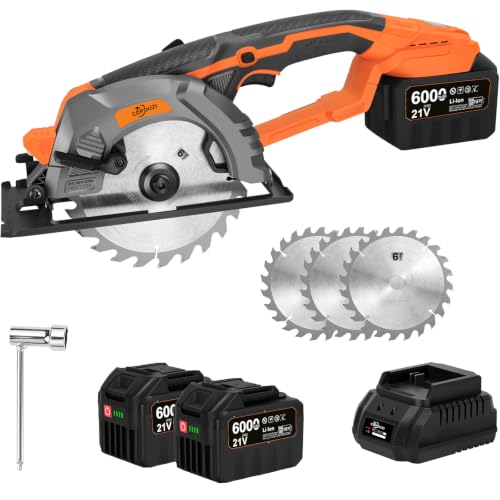
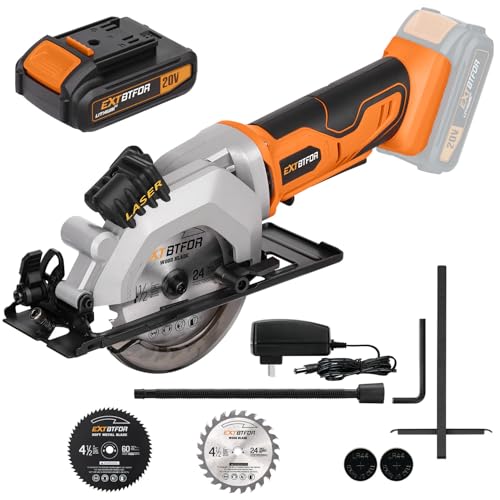


As an Amazon Associate we earn from qualifying purchases at no extra cost to you.
Cordless Circular Saws at a Glance
| Saw type | Best for | Key stated features (as makers describe them) | Limits |
|---|---|---|---|
| DeWalt 20V MAX 7-1/4 inch brushless | Framing and general carpentry on the 20V platform | Brushless motor, bevel capacity, metal shoe, electric brake on many models | Heavier than compact models; battery sold separately on bare-tool kits |
| Milwaukee M18 FUEL 7-1/4 inch | Heavy daily use on the M18 platform | Brushless motor, electric brake, designed for demanding jobs per the maker | Premium tier; weight with larger batteries |
| Makita 18V LXT 6-1/2 inch | Lighter weight, precise trim and sheet goods | Brushless motor, lightweight body, electric brake on several models | Shallower depth of cut than 7-1/4 inch saws |
| Makita 36V (18V X2) 7-1/4 inch | Users who want corded-like power from two batteries | Dual-battery design with brushless motor | Needs two batteries, adding weight and cost |
| Ryobi ONE+ HP 6-1/2 or 7-1/4 inch | Budget-conscious DIYers and homeowners | Wide ONE+ battery compatibility, brushless options in the HP line | Less often chosen for all-day professional use |
| Skil, Craftsman and Worx compact saws | Occasional use, light plywood and trim | Compact bodies, lower price tiers | Shallower cuts and less runtime in thick lumber |
How to Choose a Cordless Circular Saw
Start with the battery platform
Because a saw is only as useful as the batteries behind it, most reviewers advise matching the saw to the brand you already own. If you have a 20V DeWalt drill, a bare DeWalt saw is usually a better deal than a different brand with a new battery pack. If you are starting from scratch, look at the whole range of tools in a platform, since you will likely add a drill, impact driver and other tools later.
Blade size and depth of cut
A 7-1/4 inch blade is the traditional size and cuts through a 2×4 at 90 degrees with room to spare, as well as through two stacked sheets at shallow settings. A 6-1/2 inch saw is lighter and easier to handle, and its depth of cut is enough for most 2x material at 90 degrees but is less forgiving at a 45 degree bevel. Compact 5-1/2 inch saws are best for plywood, trim and thin stock. Always read the maker’s listed depth at 90 and 45 degrees.
Brushless motors
Brushless motors are described by makers as more efficient, producing less heat and wasting less battery energy than brushed motors. Reviewers generally report longer runtime per charge and less bogging in dense lumber. Brushless saws cost more, but they are the standard recommendation for frequent users.
Battery capacity
Larger amp-hour batteries give longer runtime but add weight, which matters during overhead or one-handed work. Many professionals keep a mid-size battery for general use and a bigger one for repeated ripping cuts. For occasional use, a smaller battery keeps the saw lighter.
Safety features and handling
Look for an electric blade brake, which stops the blade quickly after you release the trigger, and a lower guard that moves freely. A dust blower or clear sightline to the cut line helps accuracy. A left-side blade, as on many Makita models, can improve sightlines for right-handed users, while right-side blades are common on other brands. Think about which side feels natural for your dominant hand.
Shoe, bevel and ergonomics
Metal shoes tend to be more durable than plastic and can help keep cuts square. Check that the bevel adjustment locks securely and that the depth adjustment is easy to reach. Hold the saw if you can, and look at weight with the battery attached, because manufacturers often list the bare-tool weight.
Safety and Use Notes
- Wear eye and hearing protection and a dust mask when cutting. Cutting treated lumber or composite materials may require additional protection; follow the material maker’s guidance.
- Secure the workpiece with clamps. Never hold a board with your hands near the cut line.
- Remove the battery before changing blades or making adjustments.
- Use a blade matched to the material. A low tooth-count framing blade cuts fast but rough; a higher tooth-count blade gives a cleaner finish in plywood.
- Avoid cutting masonry, metal or other materials unless the saw and blade are rated for it.
- Store batteries according to the manual and do not charge damaged packs.
Picks by Budget Tier
Budget
Ryobi ONE+ and Skil saws are usual starting points for homeowners. They cut plywood, decking and 2x lumber for weekend projects. Reviewers say these tools give up some runtime and durability against the professional brands, but the savings are real for occasional use, especially if you already own the batteries.
Mid-range
DeWalt 20V MAX and Makita 18V LXT models are often cited as strong all-rounders. They balance weight, runtime and build, and they work with large tool families. This is the tier most serious DIYers consider.
Premium
Milwaukee M18 FUEL, higher-end DeWalt FLEXVOLT and Makita dual-battery saws suit contractors. They offer more power and durability, and they cost more and weigh more.
Pick X If …
| Pick this | If you … |
|---|---|
| DeWalt 20V MAX 7-1/4 inch | already own DeWalt 20V batteries and frame or build decks |
| Milwaukee M18 FUEL | use the saw daily and want a premium, durable tool |
| Makita 18V LXT 6-1/2 inch | want a lighter saw for trim, sheet goods and overhead work |
| Makita 36V dual-battery | want more power without a cord and already own LXT batteries |
| Ryobi ONE+ HP | are budget-focused and already use ONE+ tools |
| Compact 5-1/2 inch saw | mostly cut plywood and thin stock and want a light tool |
Alternatives
- Corded circular saw: Unlimited runtime and often lower cost, but you need an outlet or generator and must manage the cord.
- Track saw: Better for long, straight, splinter-free cuts in sheet goods, at a higher price tier and with a dedicated guide rail.
- Cordless jigsaw or reciprocating saw: Better for curves and rough demolition, less accurate for straight cuts.
Common Buying Mistakes to Avoid
The most common mistake is buying a saw without thinking about the battery system. A bare-tool deal looks attractive until you realize the saw will not accept the batteries you own. Equally common is choosing a saw by listed motor power alone; makers state voltage and sometimes torque, but real-world cutting depends on the blade, the battery and the material. Reviewers often point out that a good blade does more for cut quality than a small jump in listed power.
Another trap is ignoring weight. A saw that feels fine for a few cuts can tire your arm during a full day of decking or framing, especially with a large battery attached. If you cut mostly sheet goods, a lighter 6-1/2 inch saw may be a better choice than a heavy framing model. Also consider the dust and sightline. Saws with a clear view of the blade and the cut line help accuracy, and a dust port or blower keeps the line visible.
Finally, remember that accessories matter. A rip guide, a spare blade for plywood and a case for transport add little to the budget but a lot to usefulness. Keep a few blades on hand so you can swap out a dull one without stopping the job, and store the saw with the guard clear and the battery removed.
Frequently Asked Questions
Is a 6-1/2 inch saw powerful enough?
For most home projects it is. It cuts standard 2x lumber at 90 degrees and is lighter than a 7-1/4 inch saw. If you regularly make deep bevel cuts or cut thick beams, a 7-1/4 inch model gives more depth.
Is brushless worth it?
Makers say brushless motors run more efficiently and with less heat, and reviewers often report better runtime and power under load. For occasional use, a brushed saw may be enough, but frequent users usually benefit from brushless.
Which battery size should I buy?
A mid-capacity pack is a reasonable all-purpose choice. Bigger packs run longer but add weight. If you do a lot of ripping or cut thick material, consider two batteries so one can charge.
Can a cordless saw replace a corded one?
For most homeowner and many contractor tasks, yes. High-end cordless saws are reported to match corded performance in typical lumber cutting. Very long, heavy-duty sessions may still favor a corded model.
How do I keep cuts straight?
Mark the line, clamp a straightedge or guide to the board, and let the saw base ride against it. Support both sides of the cut so the board does not pinch the blade. Keep the blade sharp.
Is it safe to leave the battery on the saw?
Remove the battery whenever you change a blade, clear a jam or store the tool. Keep it out of reach of children, and follow the manual for battery storage temperatures.


