Our Top Picks
 BOSCH 11255VSR Bulldog Xtreme SDS-Plus Rotary HammerEach22.5 x 11.25 x 4.75 inches10.4 poundsCheck on Amazon
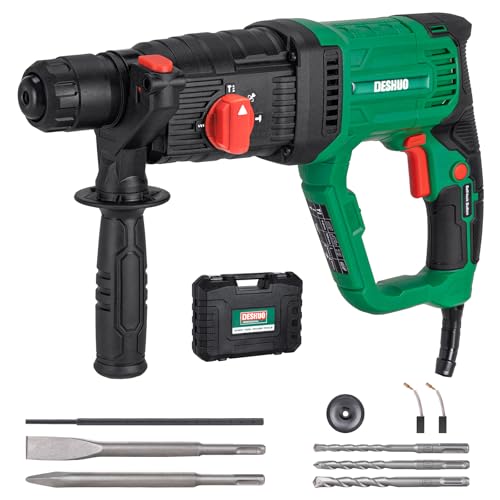 Deshuo 1" SDS-Plus Lightweight Rotary Hammer Drill forSmall15.15 x 8.85 x 3.93 inches7.19 PoundsCheck on Amazon
The best hammer drill for you depends on whether your jobs are occasional holes in brick and block or repeated holes in poured concrete. Light chuck-style corded or cordless hammer drills suit the first group, while the SDS-Plus rotary hammers in this set are the more natural match for the second. Ten listings are compared below using only what their titles state, and every performance claim is the seller’s, not ours.
Top picks at a glance
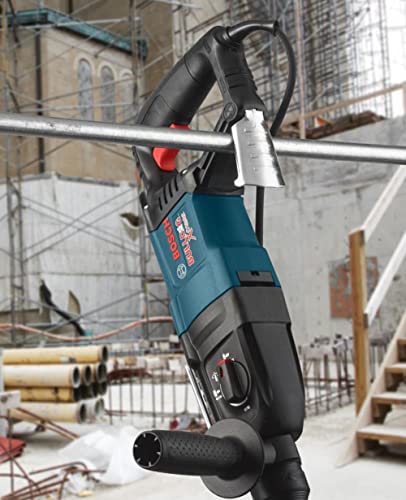
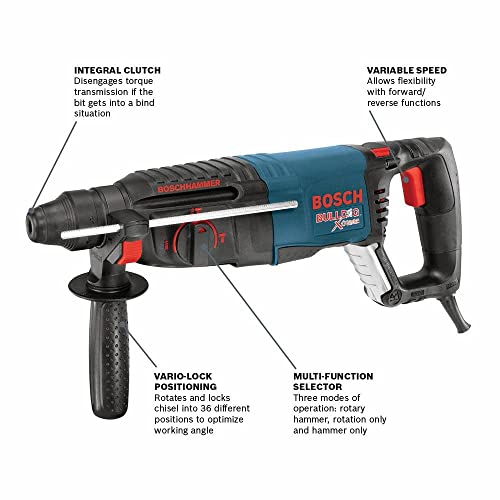
BOSCH 11255VSR Bulldog Xtreme SDS-Plus Rotary Hammer | Electric hammer drill with 3 modes, reverse trigger, D-handle, 8 amp 1 inch corded variable speed SDS-Plus concrete/masonry



As an Amazon Associate we earn from qualifying purchases. Product prices and availability are accurate as of the date/time indicated.
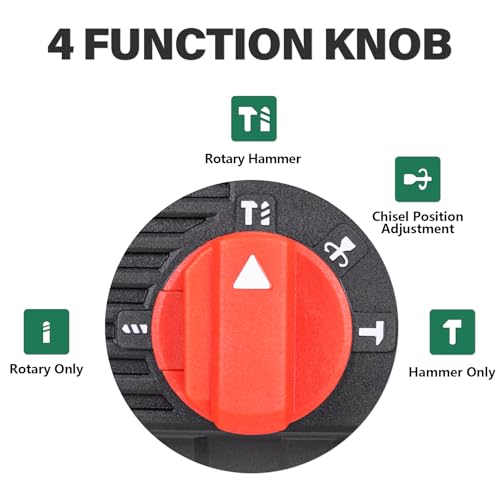
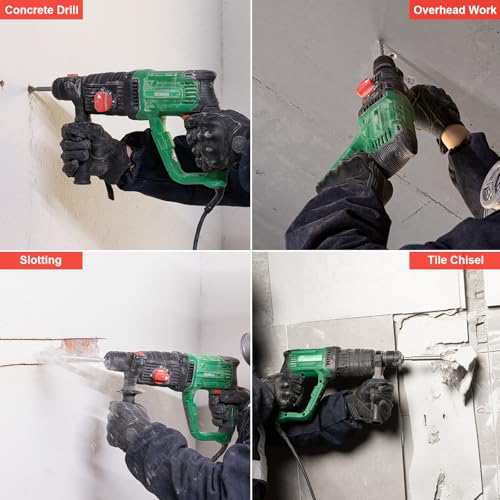
Deshuo 1" SDS-Plus Lightweight Rotary Hammer Drill for Concrete/Masonry | 9 Amp Corded Electric 7.2 Lbs 4 Functions & Reverse Variable Speed Safety Clutch Rotomartillo w/ 3 Drill Bits 2 Chisels Case



As an Amazon Associate we earn from qualifying purchases. Product prices and availability are accurate as of the date/time indicated.

DEWALT 20V MAX XR® Brushless Cordless 1/2 in. Hammer Drill (Tool Only) (DCD806B)


As an Amazon Associate we earn from qualifying purchases. Product prices and availability are accurate as of the date/time indicated.
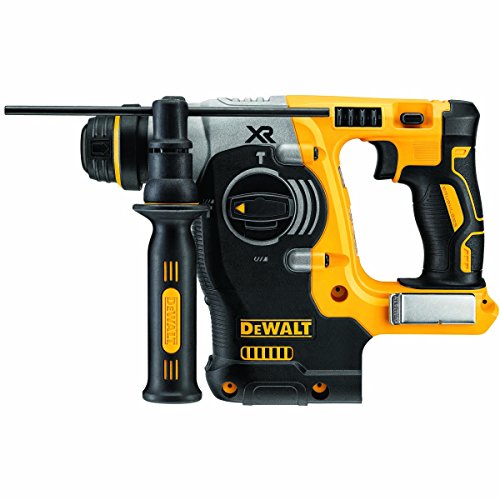
DEWALT 20V MAX SDS Rotary Hammer Drill, Cordless, 3 Application Modes, Bare Tool Only (DCH273B)

As an Amazon Associate we earn from qualifying purchases. Product prices and availability are accurate as of the date/time indicated.

Hammerhead 7.5-Amp 1/2 Inch Variable Speed Hammer Drill with 6pcs Bit - HAHD075


As an Amazon Associate we earn from qualifying purchases. Product prices and availability are accurate as of the date/time indicated.
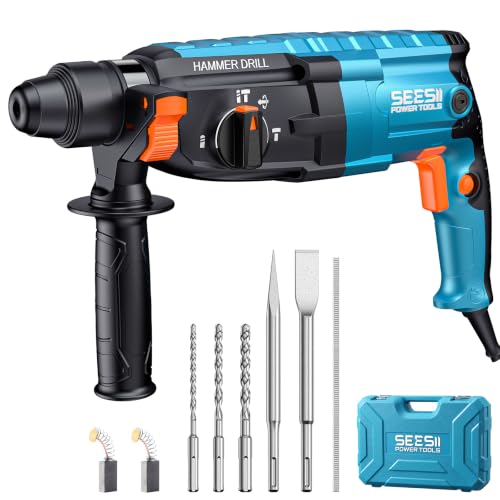
Seesii 9 Amp SDS-Plus Lightweight Rotary Hammer Drill for Concrete, Masonry | 850W 3J Corded Rotary Hammer Drill, 4 Modes with Safety Clutch for Concrete, Brick and Masonry, Includes Drill Bits & Chisels


As an Amazon Associate we earn from qualifying purchases. Product prices and availability are accurate as of the date/time indicated.

ENEACRO 1-1/4 Inch SDS-Plus 13 Amp Heavy Duty Rotary Hammer Drill | Safety Clutch, 4 Functions, Vibration Control, Includes Grease, Chisels & Drill Bits, With Case


As an Amazon Associate we earn from qualifying purchases. Product prices and availability are accurate as of the date/time indicated.
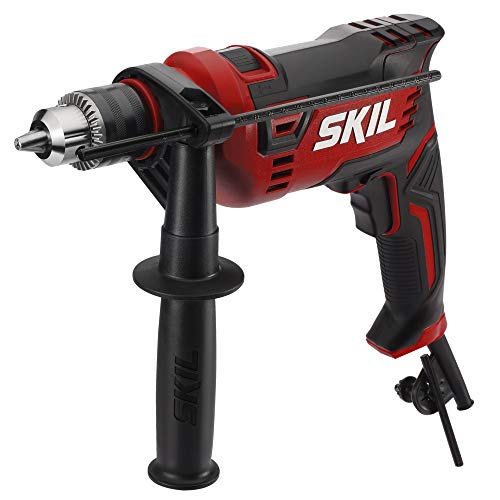
SKIL 7.5-Amp 1/2-Inch Corded Hammer Drill - HD182001


As an Amazon Associate we earn from qualifying purchases. Product prices and availability are accurate as of the date/time indicated.

DEWALT 20V MAX XR 1/2 Inch Brushless Cordless Hammer Drill, Battery Not Included (DCD1007B)


As an Amazon Associate we earn from qualifying purchases. Product prices and availability are accurate as of the date/time indicated.
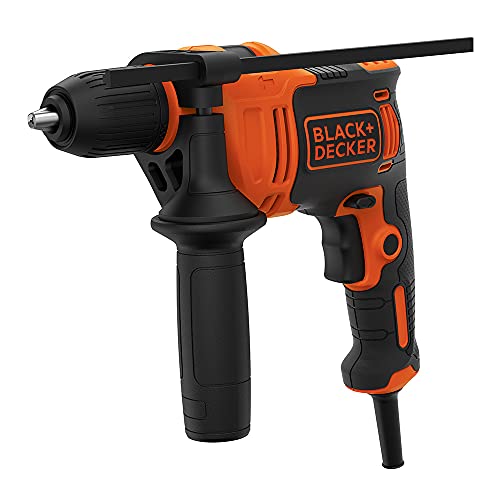
BLACK+DECKER Hammer Drill, 6.5-Amp, 1/2-Inch (BEHD201)


As an Amazon Associate we earn from qualifying purchases. Product prices and availability are accurate as of the date/time indicated.
| Model | Key point from title | Price tier | Best for |
|---|---|---|---|
| DEWALT DCH273B | 20V MAX SDS rotary hammer, 3 modes, bare tool | Premium | Cordless concrete work |
| BOSCH 11255VSR Bulldog Xtreme | 8 amp, 1 inch SDS-Plus, D-handle, 3 modes | Mid-range | Corded concrete holes |
| ENEACRO 1-1/4 inch | 13 amp SDS-Plus, vibration control, case | Mid-range | Heavier corded jobs |
| DEWALT DCD1007B | 20V MAX XR 1/2 inch brushless, battery not included | Mid-range | Cordless drilling in masonry |
| DEWALT DCD806B | 20V MAX XR brushless 1/2 in., tool only | Mid-range | Cordless all-rounder |
| Seesii 9 amp SDS-Plus | 850W, 3J, 4 modes, safety clutch | Budget | Value rotary hammer |
| Deshuo 1 inch SDS-Plus | 9 amp, 7.2 lbs, bits, chisels, case | Budget | Light-duty SDS kit |
| SKIL HD182001 | 7.5 amp, 1/2 inch corded | Budget | Home masonry |
| BLACK+DECKER BEHD201 | 6.5 amp, 1/2 inch corded | Budget | Occasional use |
| Hammerhead HAHD075 | 7.5 amp, 1/2 inch, 6 bits | Budget | Entry-level tool |
What is changing in the hammer drill category
Cordless tools have been closing the gap with corded ones for years, and that shows in this set: three of the ten listings are battery platforms sold as tool-only, with the battery and charger left to you. The convenience is real, particularly on a ladder or outdoors, but the true cost depends on whether you already own compatible batteries.
Brushless motors are now common in cordless titles, and sellers use the word as a shorthand for efficiency and longer life. Treat it as a feature to confirm in the manual rather than a guarantee of any specific result.
At the budget end, corded SDS-Plus rotary hammers sold as complete kits with bits, chisels and a case have multiplied. They are tempting for a one-off concrete job, but the titles rely on amp and wattage figures and very little else, so quality is harder to judge from the listing alone. On the other side, long-established brands keep releasing near-identical models with small changes in handle, modes or motor, which makes reading the exact model number important.
The result is a category where a single keyword covers two quite different tools, which is why this guide separates them in the buying section.
One more shift is that sellers now bundle accessories aggressively. A listing that includes chisels, bits, grease and a case can look like a bargain next to a tool-only listing, but the bundled accessories are often basic. Compare the tool itself first and the extras second, and be ready to replace bits with better ones once you know what you drill most.
How we picked these
We worked from the ten listings supplied for this category, reading each title for the tool class, power source, chuck or bit system, modes and included accessories. We then grouped them by class so you can compare like with like. Our basis is published specifications, manufacturer documentation and buyer reviews. Nobody on the team used or measured these units. Where a title is silent, we say so and point you to the live listing. Five listings are SDS-Plus rotary hammers and five are chuck-style hammer drills, so they are not strict rivals.
Ten hammer drills compared
DEWALT 20V MAX SDS Rotary Hammer Drill (DCH273B)
The title describes a cordless SDS rotary hammer with three application modes, sold as a bare tool. It is the only cordless SDS-style tool in the group, and also the highest priced. That combination points to a user who drills concrete away from outlets, such as a contractor anchoring fixtures across a site.
It suits someone who already owns a compatible 20V MAX battery and charger, or who is ready to buy them. Without those, the real cost is higher than the tool price suggests.
- Pro: cordless SDS rotary hammer format
- Pro: three application modes named in the title
- Con: bare tool, so battery and charger cost extra
- Con: premium tier price
Check the listing for which batteries are compatible, the weight, the chuck system and what the three modes are. Ask before buying: how many holes per day will you drill, and does that justify the premium over a corded rotary hammer? Also consider the weight of the tool plus a battery when you hold it at arm’s length.
BOSCH 11255VSR Bulldog Xtreme SDS-Plus Rotary Hammer
The title lists an 8 amp corded SDS-Plus rotary hammer with a 1 inch capacity, three modes, a reverse trigger, a D-handle and variable speed, for concrete and masonry. The D-handle shape is a common choice for steady two-handed control when drilling into walls and floors.
It suits a homeowner or tradesperson who expects to drill several concrete holes, such as anchoring a deck ledger or hanging heavy shelving, and who has an outlet nearby. It is a known brand name but the title gives no weight or impact-energy figure.
- Pro: reverse trigger and variable speed named in the title
- Pro: D-handle for two-handed control
- Con: corded, so reach depends on your extension cord
- Con: no case or bits mentioned in the title
Check the listing for included accessories, the cord length and the exact impact energy. Ask before buying: do you need more than the 8 amp figure suggests? If you will drill many holes, compare it with higher-rated corded models. For tight spots, look at the listing’s photos to see how long the tool is with a bit installed.
ENEACRO 1-1/4 Inch SDS-Plus 13 Amp Rotary Hammer Drill
The title advertises a 13 amp motor, a 1-1/4 inch capacity, a safety clutch, four functions and vibration control, and lists grease, chisels, drill bits and a case. The 13 amp figure is the highest amp rating in the group, though amps alone do not tell you impact energy.
It suits someone who wants a heavy-duty corded kit without paying premium-brand prices, such as a DIYer pulling up tile or chiseling a small slab. As an unfamiliar brand, it asks for a bit more due diligence on warranty and support.
- Pro: complete kit with chisels and case
- Pro: vibration control and safety clutch named
- Con: heavier tool class implies more weight
- Con: brand support details unclear from the title
Check the listing for weight, impact energy in joules, warranty terms and cord length. Ask before buying: is the grease included a sign the manufacturer expects regular upkeep, and what does the manual say about maintenance? Also check whether replacement chisels and bits are easy to buy for this brand.
DEWALT 20V MAX XR Brushless Cordless Hammer Drill (DCD1007B)
The title states a 1/2 inch brushless cordless hammer drill, with the battery not included. It is a chuck-style tool aimed at drilling, driving and light masonry work, not a heavy concrete tool like the SDS-Plus models.
It suits a homeowner or remodeler who already has 20V MAX batteries and wants a drill that can also handle brick or block anchors. Because it is a bare tool, it only makes sense as an add-on to an existing platform.
- Pro: brushless, cordless and 1/2 inch chuck per the title
- Pro: versatile for wood, metal and light masonry
- Con: battery not included
- Con: not a heavy concrete tool
Check the listing for chuck type, speed ranges and torque. The title does not state them. Ask before buying: how does it differ from the DCD806B? The titles are close, so compare the full specification pages carefully. Since it is a bare tool, price a battery and charger into your budget too.
DEWALT 20V MAX XR Brushless Cordless 1/2 In. Hammer Drill (DCD806B)
This near-twin of the DCD1007B is also a brushless, cordless 1/2 inch hammer drill sold as tool only. The titles are almost identical, and the model numbers are the only clue to the difference, so check which one fits your needs.
It fits the same buyer: someone already in the 20V MAX ecosystem who wants a hammer drill for occasional masonry holes and everyday drilling. A shopper with no batteries should price the full kit before deciding.
- Pro: brushless and cordless per the title
- Pro: 1/2 inch chuck for general drilling
- Con: tool only, with no battery
- Con: close to the other DEWALT listing, which makes choosing harder
Check the listing for what differs between this model and the DCD1007B, such as speed, torque or weight. Ask before buying: are you buying this for hammer mode specifically, or would a standard drill driver do? If masonry holes are rare, that simpler tool may cover most of your needs.
Seesii 9 Amp SDS-Plus Lightweight Rotary Hammer Drill
The title states a 9 amp, 850 W corded rotary hammer with 3 J impact energy, four modes, a safety clutch, and drill bits and chisels included. The 850 W and 3 J figures are seller claims, so confirm them in the manual.
It suits a budget-minded DIYer who needs a few concrete holes or light chiseling without buying a professional tool. Occasional use matches its likely strengths; heavy daily use is not what the title promises.
- Pro: four modes and safety clutch named
- Pro: bits and chisels included
- Con: lesser-known brand, so support is unclear
- Con: no case mentioned in the title
Check the listing for weight, warranty and the exact bit sizes included. Ask before buying: how often will you use it? For a few holes a year, the budget price makes sense; for steady use, a better-known brand may be easier to service. Read the manual’s cautions about using the safety clutch and the chisel mode.
Deshuo 1 Inch SDS-Plus Lightweight Rotary Hammer Drill
The title lists a 9 amp corded SDS-Plus rotary hammer at 7.2 lbs, with four functions, reverse, variable speed, a safety clutch, three bits, two chisels and a case. Of the budget SDS-Plus kits, this is the one that states its weight.
It suits someone who wants a light tool for overhead or vertical work, where weight adds up quickly, and who values a case for storage. The Spanish term in the title suggests it is also marketed to Spanish-speaking buyers.
- Pro: weight stated at 7.2 lbs
- Pro: complete kit with a case
- Con: no impact-energy figure in the title
- Con: brand support is unclear
Check the listing for the impact energy, warranty and the sizes of the included bits. Ask before buying: does the stated weight include the handle and bits? Confirm before comparing with other models. Chisel work also vibrates the tool a lot, so look for any note about vibration in buyer comments.
SKIL 7.5-Amp 1/2-Inch Corded Hammer Drill (HD182001)
The title gives a 7.5 amp, 1/2 inch corded hammer drill and little else. It is a chuck-style tool aimed at drilling into brick, block and light concrete as well as wood and metal.
It suits a homeowner who needs a corded drill with a hammer setting for occasional jobs, such as hanging brackets on a brick wall. It is not built around frequent concrete work.
- Pro: familiar brand and corded power
- Pro: 1/2 inch chuck for general use
- Con: title offers few details beyond amps
- Con: not an SDS-Plus tool
Check the listing for included accessories, the side handle and the variable-speed trigger. Ask before buying: do you need a hammer setting at all? If most jobs are wood or metal, a regular drill is simpler. Corded tools like this also need a cord long enough for your work area, so measure the distance to the outlet first.
BLACK+DECKER 6.5-Amp 1/2-Inch Hammer Drill (BEHD201)
The title shows a 6.5 amp, 1/2 inch corded hammer drill. It carries the lowest amp rating in the group, which fits its position as a light-duty tool.
It suits a household that drills the occasional hole in brick or block and prefers a familiar brand and a low price. For harder concrete, it would likely feel under-powered, so match the tool to the job.
- Pro: low price tier and corded convenience
- Pro: 1/2 inch chuck for standard bits
- Con: lowest amp rating in the set
- Con: title gives few other details
Check the listing for the side handle, depth stop and cord length. Ask before buying: will you ever drill more than a few masonry holes in a row? If so, a stronger tool saves effort. Even with a light tool, wear eye and hearing protection and a dust mask when working in masonry.
Hammerhead 7.5-Amp 1/2 Inch Variable Speed Hammer Drill (HAHD075)
The title lists a 7.5 amp, 1/2 inch variable speed hammer drill that comes with six bits. At the lowest price in the group, it is the entry-level choice for someone who wants a hammer setting without spending much.
It suits a first-time owner hanging a few items on masonry. The six included bits give a starter selection, though bit quality is not described.
- Pro: lowest price tier in the set
- Pro: six bits included per the title
- Con: little detail about build quality
- Con: not suited to heavy concrete work
Check the listing for what the six bits are, the warranty and whether a side handle is included. Ask before buying: are you comfortable replacing bits with better ones if the supplied ones wear quickly? Sharp, correctly rated masonry bits matter more than most buyers expect, so budget a little for better ones.
Buying guide: how to choose a hammer drill
How a hammer drill differs from a regular drill
A regular drill only spins the bit. A hammer drill spins it and also pushes it forward and back many times a second, which helps the bit break up brick, block or concrete as it turns. That is why masonry bits in a regular drill tend to stall, while the same bit in a hammer drill keeps advancing. The hammering is not a cure for a dull bit, and most chuck-style tools let you switch it off for wood and metal. Using hammer mode on soft material simply wears bits faster, so keep it for the jobs that need it.
Chuck-style hammer drill or SDS-Plus rotary hammer
A chuck-style hammer drill looks like a regular drill and takes round or hex-shank bits, adding a rapid forward-and-back action for masonry. An SDS-Plus rotary hammer uses a different bit holder and a stronger striking action, which is why it is usually the better match for repeated concrete holes. As a rule of thumb, a handful of anchor holes a year is within a chuck-style tool’s range, while ongoing concrete work points toward SDS-Plus.
Corded or cordless
Corded tools give steady power and generally lower purchase prices, but you manage cords and outlets. Cordless tools free you from both but depend on battery capacity and charging. Three cordless titles here are bare tools, so factor in the battery and charger.
Reading the numbers
Amps describe motor current, not output. Watts, impact energy in joules and blows per minute help, but titles rarely give them all. Look for the model number and read the manufacturer’s specification page, not just the headline figure.
Modes and what they do
Titles here mention three or four modes. In general terms, one mode is plain rotation for drilling, another adds hammering with rotation for masonry, a third may be hammer only for chiseling, and some tools add a position that locks the chisel angle. The wording differs from brand to brand, so read the manual for what each setting does before you trust a title’s mode count. A mode you never use adds nothing, while a missing one can be a dealbreaker for chiseling tile or breaking a small patch of concrete.
Bits, chisels and the accessory trap
Bit quality shapes results as much as the tool. SDS-Plus bits and chisels are a separate buy for most people, and good ones can cost a meaningful share of the tool price. Budget kits include a few sizes, which is handy for a first job. Plan to confirm that the bit diameter you need matches the capacity stated in the title, such as 1 inch or 1-1/4 inch, and that replacement bits are easy to find.
Comfort and control
Side handles, D-handles, vibration control and weight affect how long you can work without fatigue. A 7.2 lb tool held overhead feels very different from a lighter one, so weigh the data on the page against how you will actually hold the tool.
Reading these titles with a skeptical eye
Some titles in this set repeat marketing words, and a few mix units or include a foreign-language term for the tool. Two are almost identical cordless DEWALT listings that differ only by model number, and several budget kits list a rating in amps and watts together. Treat those as seller claims. A sensible habit is to open the manufacturer’s page for the exact model number, note the stated impact energy, weight and bit capacity, and compare those across two or three finalists. If a listing never states them anywhere, assume the tool is meant for light work.
Safety basics
Wear eye and hearing protection and a mask or respirator suited to masonry dust. Check for hidden wiring and pipes before drilling, and follow the manufacturer’s instructions and local codes. If you are unsure what is behind a surface, ask a qualified professional.
Worked example: anchoring into concrete
Assume you need 12 holes in a concrete wall for sleeve anchors and plan to work from a ladder. This is our scenario, not a measurement. A 12-hole job favors an SDS-Plus tool, because chuck-style drills may slow down noticeably in concrete. If you are working above shoulder height, a lighter tool helps, and so does a stable platform; our guides to multi-position ladders and ladder stabilizers cover that side of the job.
| Spec concept | What to look for | Why it matters |
|---|---|---|
| Tool class | Chuck-style or SDS-Plus | Decides how well it handles concrete |
| Power source | Corded, or cordless with battery included | Sets true cost and mobility |
| Modes | Drill, hammer drill, hammer only, chisel | Gives you flexibility for chiseling |
| Safety features | Clutch, side handle, vibration control | Protects your wrists in a bind-up |
Mistakes buyers make
Ignoring the case and storage. A hammer tool left loose in a truck or garage collects dust, so a case, where the listing mentions one, is worth a little extra.
Treating all hammer drills as the same tool. A 1/2 inch chuck-style tool and an SDS-Plus rotary hammer are not interchangeable for serious concrete.
Forgetting battery cost. Bare-tool listings look cheap until you add a battery and charger.
Chasing amps. A big number on the title is a clue, not proof of performance.
Skipping protective gear. Masonry dust and noise are real hazards; wear protection every time.
Drilling blind. Check for wiring and pipes first, and ask a qualified professional if you cannot be sure.
Verdict by use case
For repeated concrete work on a cord, the Bosch 11255VSR and ENEACRO 13 amp are the strongest listings on paper. For cordless concrete work, the DEWALT DCH273B is the only SDS-style cordless option. For cordless general drilling with light masonry, the two DEWALT chuck-style tools fit if you already own batteries. For occasional home tasks on a budget, the SKIL, BLACK+DECKER and Hammerhead are the entry-level corded picks, and the Seesii and Deshuo are the budget SDS kits. Verify each on its live listing.
Related guides
- Black Friday Cyber Monday Health Equipment Deals
- Hanging Purse Organizer For Small Closet
- Closet Organizers For Small Closets
Frequently asked questions
What is the difference between a hammer drill and a rotary hammer?
A chuck-style hammer drill adds a rapid back-and-forth action to a normal drill so it can handle light masonry. A rotary hammer, often with an SDS-Plus bit system, delivers a stronger striking action and is generally the better fit for repeated concrete work. This list mixes both, so read each title for the chuck or SDS-Plus wording before comparing prices or amp ratings.
Can a hammer drill be used as a regular drill?
Chuck-style hammer drills usually let you switch the hammer action off, so they can drill wood and metal like a standard drill. SDS-Plus rotary hammers use a different bit holder and are not a general-purpose replacement for a drill driver, though some have modes that turn the hammering off. Check the listing’s mode description and the manufacturer’s manual for exactly what each setting does.
Do I need a corded or cordless hammer drill?
Corded models give steady power without batteries and tend to cost less up front, which suits a garage or a workshop with outlets. Cordless models trade cords for convenience on ladders, rooftops and job sites. Several cordless listings here are tool-only, meaning the battery and charger are extra, so total cost can be higher than the tool price alone suggests.
What safety gear should I wear when using a hammer drill?
At minimum, eye protection, hearing protection and a dust mask or respirator suited to masonry dust. Gloves and a firm stance also help. Before drilling into a wall, floor or ceiling, check for hidden wiring and pipes. Keep the side handle attached when the tool has one, because a bit that binds can twist the tool suddenly. Follow the manufacturer’s instructions and local codes, and ask a qualified professional if you are unsure what is behind a surface.
Is a bigger amp rating always better?
Not necessarily. Amps indicate how much current the motor can draw, not how well the tool performs in your material. Impact energy, bit system, weight, vibration control and the quality of the bits you use all matter too. Use amp ratings as one rough clue when comparing similar corded tools, and treat them as seller figures to confirm in the manual.
Are budget SDS-Plus kits a good idea for a one-off job?
They can be, especially when the kit includes bits, chisels and a case, as several listings here state. The trade-off is that titles say little about build quality, support or long-term durability. For a few holes, that may be acceptable. For regular work, consider a better-known brand and check the warranty terms on the live listing before you buy.