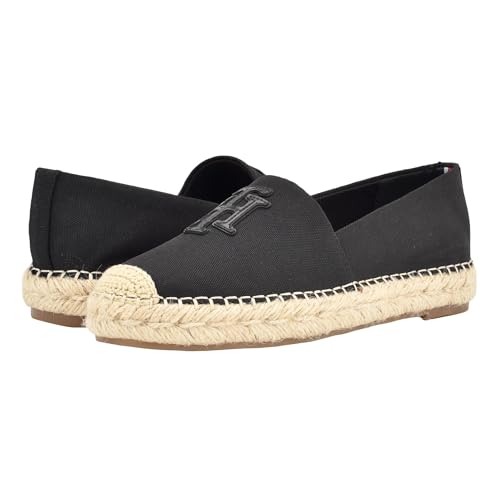
For most women, a classic flat espadrille with a jute sole and a canvas upper, such as the Soludos Original or a Toms Alpargata, is the easiest all-round choice, while a wedge espadrille from a Spanish maker like Castañer suits those who want height and a dressier look. Buyers with sensitive feet or a lot of walking planned should weigh cushioning and sole construction more heavily than style.
Our top picks


As an Amazon Associate we earn from qualifying purchases at no extra cost to you.
Espadrilles at a Glance
| Style | Best for | Typical construction | Limits |
|---|---|---|---|
| Classic flat (Soludos Original style) | Summer errands, travel, casual outfits | Canvas or linen upper with a braided jute-wrapped sole and a thin rubber layer, according to makers | Little arch support; jute sole is not made for wet weather |
| Toms Alpargata | Everyday casual wear, relaxed fit | Slip-on canvas upper with a soft sole, as described by the maker | Minimal support; sole wears faster on rough pavement |
| Castañer wedge | Dressier outfits, weddings, dinners | Handcrafted in Spain, with ties that wrap the ankle and a jute-covered wedge | Higher heel, takes time to break in; limited sizing detail between half sizes |
| Kaanas and similar flat slip-ons | Beach towns, casual use | Soft cotton or leather uppers on lightweight soles | Not for heavy walking or rain |
| Platform espadrille | Adding height while staying comfortable | Thicker jute platform, often with a cushioned insole | Heavier, can feel clumsy on stairs |
What Espadrilles Actually Are
An espadrille is a lightweight casual shoe with an upper of canvas or similar fabric and a sole traditionally made from rope woven from jute. The style comes from the Pyrenees region and spread across the Mediterranean, and it remains popular in warm weather because the shoe is breathable and light. Modern versions add a thin rubber outsole under the jute so that the rope does not wear through quickly.
Because they are made from natural fibers, espadrilles suit dry days. Water can darken and weaken the jute and may cause the sole to stretch or lose shape, so most makers advise against wearing them in the rain or washing them in a machine.
Fit and Sizing Notes
Fit is the most common complaint in reviews. Many makers use European sizing, particularly Spanish brands, and some run small or narrow. Reviewers often suggest checking each maker’s size chart instead of assuming a standard size, and measuring your foot length before ordering. If you fall between sizes, consider the wider or half size up in flats, since canvas uppers soften but do not stretch much.
Ankle-tie wedges can be adjusted for snugness, and slip-on flats rely on the shape of the upper to stay on. Flat styles with elastic panels generally forgive minor sizing mistakes more than strictly laced ones.
Comfort, Support and Walking
Traditional espadrilles have a flat, flexible sole and little arch support. Some brands add a cushioned footbed, a molded insole or a rubber outsole to improve shock absorption. If you have foot pain, flat feet or a condition that needs structured support, talk to a podiatrist or physician before choosing a shoe, and consider adding a removable insole where the shoe allows it.
For a day of sightseeing, many reviewers prefer a cushioned flat or a low platform rather than a high wedge. Higher wedges are more suited to shorter outings, events or dining.
Budget Tiers
Budget
Basic canvas slip-ons from mass-market brands and some Toms models offer the look at the lowest cost. Expect thinner jute, less cushioning and a shorter lifespan, particularly on rough surfaces.
Mid-range
Soludos, Kaanas and similar brands sit in the middle, with more refined uppers, more color and pattern choices, and cushioned insoles in certain lines. This is the tier most buyers find best balanced between price and wear.
Premium
Castañer and other heritage Spanish makers sit at the premium end. The maker emphasizes handcrafted construction, natural materials and long-standing designs. The upside is a more refined shape and quality finish; the trade-off is cost, and a stiffer break-in period for wedge styles.
Pick This If …
| You want … | Choose |
|---|---|
| Easy everyday flats for summer | Soludos Original or Toms Alpargata |
| A dressier shoe for events | Castañer wedge with ankle ties |
| Extra height with some stability | Platform espadrille with a cushioned footbed |
| A shoe to pack for travel | A flat, flexible slip-on that folds easily |
| A budget pair for a single season | Basic canvas slip-on espadrille |
| Strong arch support | A different shoe type, or a style with a removable insole and a doctor’s advice |
Care and Longevity
Keep espadrilles dry. If they get wet, stuff them with paper, let them air-dry away from direct heat, and brush off dried dirt gently. Spot clean canvas uppers with a mild soap and a soft cloth, following the maker’s care label. A protective spray designed for fabric may help repel light moisture, but test it on a hidden area first and read the product instructions.
Rotate between pairs when possible. Jute soles recover shape when given a day to dry, and the footbed stays fresher. If the rope separates from the upper, a cobbler can often reglue it, though makers generally suggest replacing pairs with heavy sole damage.
Material Choices
Cotton canvas is the traditional upper, breathable and easy to dye in many colors. Linen offers a slightly dressier look with a natural texture. Leather and suede versions look more formal and often hold their shape longer, though they warm up in hot weather. Some brands also make vegan or recycled-fabric options, which makers describe on their product pages.
Styling and Occasions
Flat espadrilles pair easily with shorts, cropped trousers, midi skirts and sundresses, and they travel well because they pack flat and weigh little. Wedge and platform versions bring a dressier note to linen dresses, wide-leg pants and wedding-guest outfits. Neutral shades such as natural, black and navy are the most versatile, while striped or patterned canvas suits casual beach or resort wear.
Ankle-tie styles can look formal or relaxed depending on the width of the ribbon and the color of the upper. Closed-toe flats work best for city streets, whereas open-toe wedges suit warm evenings. If you are shopping for a particular event, consider the walking distance and the surface, since grass and cobblestone can catch a rope sole or a narrow heel.
Sustainability and Materials
Traditional espadrille soles are made from natural jute, a plant fiber, and many makers emphasize cotton, linen or other renewable materials for the upper. Some brands now offer uppers made from recycled fabrics or plant-based alternatives, as described on their product pages. Rubber outsoles add durability but also mean the shoe is not made entirely from natural materials. If material origin matters to you, read the maker’s description and care label rather than relying on a general claim.
Because natural fibers absorb odors and moisture, allow pairs to air out between wears, and avoid storing them in a sealed plastic bag. Cedar shoe trees or loosely crumpled paper help maintain shape in the off season.
Shopping Tips
Read the return policy and the size chart before ordering, and try shoes on in the afternoon when feet are slightly larger. Walk on a hard floor for a few minutes to judge the cushioning and check that the heel does not slip. Look at the stitching where the jute meets the upper, since that seam is where cheaper pairs tend to separate first. If you plan to wear them without socks, check that the lining is smooth and the footbed does not rub at the toes or the sides.
Buyers who need orthotic inserts should look for a style with a removable footbed, or choose a different shoe type altogether. Those with diabetes, circulation problems or persistent foot pain should seek a professional’s advice about footwear before buying thin-soled shoes.
Alternatives to Consider
- Canvas sneakers: sturdier and more supportive for walking all day.
- Leather or cork sandals: a stronger choice for warm weather and wet conditions.
- Woven raffia or rope sandals: a similar summer look with an open design.
- Slip-on loafers or ballet flats: neater for office use with a similar easy fit.
Frequently Asked Questions
Are espadrilles comfortable for walking all day?
Flat styles are fine for light walking, but most do not offer the support of a trainer or walking sandal. Cushioned or platform versions help, and anyone with foot pain should consult a professional. For long sightseeing days, many people bring a second, more supportive pair.
Can I wear espadrilles in the rain?
It is better not to. Water can weaken the jute and ruin the shape of the sole, and canvas dries slowly. If a pair gets wet, let it air-dry naturally away from heat.
Do espadrilles run true to size?
It varies by maker. Spanish and European brands often use European sizing and can run narrow, so consult each brand’s size chart. When in doubt, many reviewers say to size up in the flats.
How do I break in a wedge espadrille?
Wear them indoors for short periods first and adjust the ankle ties so they hold snugly without pinching. The fabric softens with wear, and a thin sock-liner can reduce rubbing during the first few outings.
Can espadrilles be washed?
Machine washing is generally discouraged because it can damage the jute and glue. Spot cleaning with a damp cloth and mild soap is the common advice, but follow the care label from the maker of your particular pair.
How long do espadrilles last?
Lifespan depends on how often they are worn and on what surface. With rotation, dry storage and occasional wear, a well-made pair can last several seasons, while a cheaper pair with a thin sole may show wear sooner.