Key takeaways
- Floor. Some shed kits do not include a floor. If yours does not, plan a base.
- Doors and locks. Look for a lockable door with a metal hasp or a padlock provision. Double doors ease access with a mower.
- Ventilation. Vents reduce condensation, which causes rust and mildew.
- Skylights or windows. Natural light helps in workshop use. Make sure windows can be secured.
- Shelving and hooks. Interior fixtures save floor space.
- Warranty. Makers vary in how long they cover materials. Read what is excluded.
For most homeowners, a resin shed such as a Suncast or Keter model is the lowest-maintenance choice, a galvanized steel shed such as an Arrow model is the better answer for security and large capacity on a modest budget, and a wood shed is the pick for people who want a workshop, insulation potential or a custom look and will accept regular upkeep. The right shed depends on your climate, the space you have, local building rules and how much time you will spend on maintenance.
Our top picks



As an Amazon Associate we earn from qualifying purchases at no extra cost to you.
Start With Material
Reviewers and shed makers generally split sheds into three material groups. Each has trade-offs, and review sites do not fully agree, so treat statements about wind or snow performance as general guidance and follow the maker’s published ratings.
| Material | Strengths | Weaknesses | Best for |
|---|---|---|---|
| Resin (plastic) | Low maintenance, will not rot, easy to assemble, often tool-light | Less secure, can crack under impact, may flex in strong wind | Warm or wet climates, owners who want little upkeep |
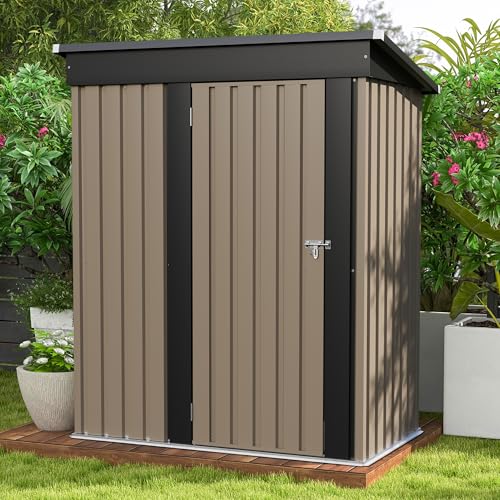
| Galvanized steel / metal | Lower cost per square foot, strong, rodent-proof, available in big sizes | Dents, can rust if coating is scratched, can feel hot or noisy | Budget buyers, larger storage, security |
| Wood | Best appearance, customizable, can be insulated, good for workshops | Needs sealing or painting, can rot or attract insects, harder assembly | Hobbyists, heavy snow areas, buyers who want a lasting structure |
Popular Models Mentioned by Reviewers
| Model | Material | Best for | Notes from makers and reviewers |
|---|---|---|---|
| Suncast Tremont 8×10 | Resin | General family storage | Bob Vila’s roundup names it a top overall pick |
| Suncast Ridgeland 7×7 | Resin | Compact yards | Smaller footprint, easy assembly |
| Keter Manor 4×6 and Keter Premier Tall | Resin | Small spaces, tools and bikes | Often listed as small-yard options |
| Arrow Woodridge 10×14 | Steel | Large metal storage | One roundup calls it the best metal pick |
| Tuff Shed Premier Pro 8×12 | Wood | Workshop or custom space | Professional installation is often involved |
| AECOJOY 10×12 and similar steel sheds | Steel | Large, low-cost storage | Budget-oriented; build quality varies by brand |
Many of these roundups are affiliate-style lists, so the models above are good starting points to compare rather than final verdicts. Confirm dimensions, door openings and load ratings in the maker’s documents.
Size and Footprint
Choose size by what you want to store, then add room for access. A 4×6 resin shed handles a mower, a few tools and some bins. A 7×7 or 8×8 shed fits a push mower, wheelbarrow and hand tools. A 10×10 or 10×12 shed can house a riding mower, a workbench and shelving. Remember that listed outside dimensions differ from usable interior space because of sloped roofs, ribbed walls and door frames. Check peak height, door width and whether your mower or bike fits through the doorway.
Before you buy, look at local rules. Many municipalities require permits or setbacks for sheds above a certain size, and homeowner associations may restrict materials and placement. Check with your local building department and any HOA before ordering.
Foundation and Site Prep
A shed performs only as well as its base. Most makers specify a level, well-drained, solid foundation such as a compacted gravel pad, a concrete slab, or a wooden or plastic base kit. Resin and steel sheds often include or sell floor kits. A poorly leveled base causes doors to bind and panels to warp. Keep the shed away from overhanging branches and out of low spots where water pools.
Anchoring matters in windy areas. Makers provide anchor kits or instructions, and wind and snow ratings differ by model. Do not assume a shed is rated for your local conditions. Read the manual and, if unsure, ask a local contractor.
Features Worth Having
- Floor. Some shed kits do not include a floor. If yours does not, plan a base.
- Doors and locks. Look for a lockable door with a metal hasp or a padlock provision. Double doors ease access with a mower.
- Ventilation. Vents reduce condensation, which causes rust and mildew.
- Skylights or windows. Natural light helps in workshop use. Make sure windows can be secured.
- Shelving and hooks. Interior fixtures save floor space.
- Warranty. Makers vary in how long they cover materials. Read what is excluded.
Assembly
Resin sheds are the easiest, with snap-together panels and few tools. Metal sheds need moderate DIY skill, with many screws and panels with sharp edges, so wear gloves and long sleeves. Wood sheds in kit form take longer, and complex models are often built by professionals. Plan for two people and a calm, dry day. Follow the manual closely, particularly for roof panels and anchoring.
Care and Maintenance
- Resin: wash with mild soap and water, and clear leaves from the roof. Avoid abrasive cleaners.
- Metal: touch up scratches in the coating promptly and keep gutters and vents clear.
- Wood: stain or paint on a regular schedule and replace damaged boards.
- Keep snow loads in mind. Brush heavy snow from roofs as the maker advises.
- Store fuel, chemicals and batteries following label guidance, and never store gasoline in an unventilated space.
Budget Tiers
| Tier | What you get |
|---|---|
| Budget | Steel kits or small resin sheds, basic doors, thinner panels |
| Mid-range | Larger resin sheds with reinforced floors, quality steel with good coating and warranty |
| Premium | Custom or professionally installed wood sheds and heavy-duty insulated structures |
Pick X If… Decision Table
| Pick this | If you |
|---|---|
| Suncast Tremont or Vertical resin | Want low upkeep and decent capacity |
| Keter small resin | Have a small yard or patio |
| Arrow Woodridge steel | Need big storage at a lower cost |
| Tuff Shed wood | Want a workshop, wiring or a customized look |
| Budget steel kit | Need basic dry storage and accept lighter construction |
Alternatives
- Deck boxes and storage cabinets. Fine for cushions and small tools.
- Lean-to sheds. Attach to a wall and use less ground space.
- Garage shelving. If you have a garage, overhead racks may remove the need for a shed.
Security, Pests and Moisture
Sheds often hold expensive tools, so look at the lock design as well as the walls. Steel sheds with reinforced doors and padlock hasps give a stronger deterrent than lightweight panels, but any shed benefits from a quality padlock and a location visible from the house. Motion lights and a simple alarm can add deterrence without changing the structure.
Pests are a bigger issue in wood sheds, where termites, carpenter ants and rodents can find gaps. Raise the floor off bare soil, keep vegetation trimmed back, and seal gaps around doors. Resin and metal resist rot and insects but can still host rodents if there are openings. Clear leaf litter around the base, and avoid storing birdseed or pet food in an open container.
Moisture is the quiet enemy. Condensation forms when warm air meets a cool shed wall, leading to rust on tools and mildew on cushions. Ventilation, a raised floor and moisture absorbers help. Store tools off the floor, wipe metal parts with a light oil before winter, and avoid piling damp items in one corner. If you plan to store power equipment, keep fuel containers separate and away from ignition sources, and follow the label directions.
Finally, think about placement. Position the door facing the area you use most, leave room to open doors fully and walk around the structure for maintenance, and keep a safe distance from fences, property lines and overhead power lines as local rules require.
Frequently Asked Questions
Is a resin or metal shed better?
Resin needs less upkeep and resists rust and rot, while metal is generally cheaper for the space and tougher against pests. Choose based on climate and how you plan to use it.
Do I need a permit for a garden shed?
Often, if the shed is above a certain size or has electricity. Rules vary by city and HOA. Check with your local building department before buying.
What base do I need?
A level, well-drained foundation such as compacted gravel, a concrete slab or a base kit. Follow the maker’s instructions since a poor base can void the warranty.
How long do garden sheds last?
Estimates from retailers and guides range roughly from 10 to 25 years depending on material, maintenance and weather. Treat these as rough guides, not guarantees.
Can I add electricity or insulation?
Wood sheds are the easiest to insulate and wire. Electrical work should be done by a licensed electrician following local code. Resin and metal sheds generally are not designed for modifications.
How do I protect my shed in high winds or snow?
Anchor it as the maker directs, keep the roof clear of heavy snow and choose a model rated for your area. If you live in a severe weather zone, ask a local contractor.