Key takeaways
- Generator brands (Champion, Generac, Westinghouse, DuroMax, Honda): offer covers or accessories matched to their units, and some offer weather-protection canopies or enclosures. These simplify fit.
- Third-party makers such as Classic Accessories, Dekopro and similar: sell universal and sized covers across many wattage ranges.
- Portable generator tents and enclosures: sold by several brands as running shelters; confirm the maker’s statements about ventilation and clearance before use.
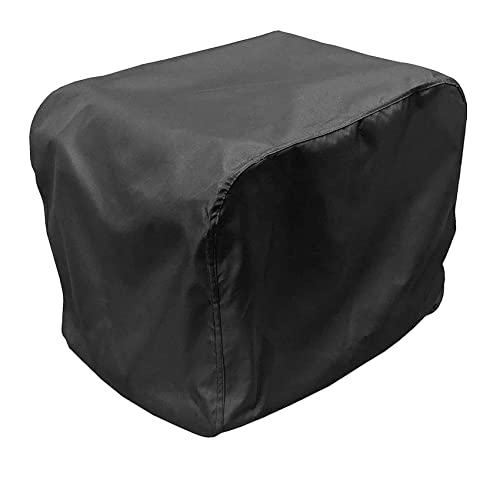
The best generator cover for most owners is a vented, weather-resistant storage cover sized to your exact generator model, such as those sold by Champion, Generac, Westinghouse or DuroMax for their own units, or a fit-specific cover from a third-party brand. If you run your generator during storms, you also need to know the difference between a storage cover and a running cover: a storage cover must never be left on a running or hot engine.
Our top picks


As an Amazon Associate we earn from qualifying purchases at no extra cost to you.
At a Glance
| Cover type | Use | Best for | Limits |
|---|---|---|---|
| Storage cover (universal) | Dust and rain protection when off and cool | Portable generators kept outdoors or in sheds | Never use while running; fit varies |
| Model-specific storage cover | Snug fit for a named model | Owners of Champion, Generac, Westinghouse, DuroMax units | Only fits that model family |
| Running cover or canopy | Shelter over a running generator, designed with open sides and airflow | Rain, snow and storm operation | Must keep exhaust clear; follow maker instructions |
| Inverter generator cover | Fitted cover for compact units | Camping, RV, tailgating | Size-specific |
Cover dimensions and generator wattage categories vary by model. Measure your generator, and read the cover maker’s size chart rather than relying on wattage alone.
The Most Important Safety Rule
Generators produce carbon monoxide and hot exhaust. Makers state that they must be run outdoors, well away from windows, doors and vents, and with enough open space around the engine. A standard cover placed over a running or still-hot generator can trap heat and exhaust, and creates a fire risk. Remove storage covers and let the unit cool fully before covering it. If you need to run in rain, use a ventilated running canopy or enclosure that the generator maker or cover maker states is intended for use during operation, and follow its installation distances. Install battery-powered carbon monoxide alarms in the home. If anyone feels dizzy, nauseated or has a headache while a generator is nearby, move to fresh air and get medical help immediately.
What to Look For
Correct size and fit
Measure length, width and height including handles, wheels and the fuel tank. A cover that is too tight strains seams, while one that is too loose flaps and lets rain in. Model-specific covers from the generator brand are usually the simplest choice for fit.
Material
Look for coated polyester or heavy-gauge vinyl-backed fabrics described as water-resistant and UV-resistant. Denier ratings such as 600D indicate fabric thickness. Fully waterproof seams are rare; most covers are water-resistant instead, so expect some moisture in sustained downpours.
Ventilation
Vents reduce condensation, which can cause rust on the frame and electrical connections. Covers with side vents or mesh panels help air move around the unit. Condensation is a common complaint with fully sealed covers.
Securing features
Drawstrings, elastic hems, buckles and tie-downs help keep a cover in place in wind. Reinforced grommets are helpful for staking or tying.
Cord access and carrying
Some designs have cord ports for wiring a transfer-switch inlet. Check this feature if you connect through an inlet box.
Types by Budget Tier
| Tier | Typical features | Trade-off |
|---|---|---|
| Budget | Universal polyester, drawstring, basic sizing | Looser fit, thinner fabric, shorter life in sun |
| Mid-range | Thicker coated fabric, vents, model-specific fits | Slightly higher purchase tier |
| Premium | Heavy-duty fabric, fitted designs, running canopies or enclosures from the maker | Higher cost; check ventilation specifications |
Brand Options
- Generator brands (Champion, Generac, Westinghouse, DuroMax, Honda): offer covers or accessories matched to their units, and some offer weather-protection canopies or enclosures. These simplify fit.
- Third-party makers such as Classic Accessories, Dekopro and similar: sell universal and sized covers across many wattage ranges.
- Portable generator tents and enclosures: sold by several brands as running shelters; confirm the maker’s statements about ventilation and clearance before use.
Availability changes over time, so confirm your exact model is listed before ordering.
Fit and Compatibility Notes
- Open-frame generators need a different shape than box-style inverter generators.
- Dual-fuel and larger units with wheel kits and handles require extra clearance.
- If your generator has a tall exhaust or a side-mounted fuel tank, test the fit before relying on a snug cover.
- Keep the cover away from the muffler until fully cool, which can take a considerable time after use.
Care
- Brush off dirt and rinse with mild soap; air dry fully before storage.
- Store the generator in a dry spot when possible; a cover is protection, not a substitute for shelter.
- Replace covers that crack or leak, as trapped water promotes rust.
- Follow the maker’s manual for fuel storage, never store fuel under the cover.
Pick One If… Decision Table
| Your situation | Best fit |
|---|---|
| Generator kept outside between uses | Vented storage cover, model-specific if available |
| Garage or shed storage | Basic dust cover |
| Need to run in rain or snow | Ventilated running canopy or tent that the maker states is for operation |
| Compact inverter unit | Fitted inverter cover |
| Windy site | Cover with buckles and tie-downs |
Alternatives
- Weatherproof shed or enclosure: a purpose-built shed with ventilation, positioned according to the generator manual.
- Standby generator: installed permanently by a licensed electrician, with its own weather-rated housing.
- Heavy tarp over a frame: only when the generator is off and cool.
Storage Habits That Protect the Generator
A cover only helps if the generator is stored well. Let the engine cool completely before covering, since the muffler and engine stay hot long after shutdown. Turn the fuel valve off if the model has one, and follow the manual on running the carburetor dry or using a fuel stabilizer before long storage. Fuel should be kept in an approved container, away from the generator, living areas and any ignition source.
Place the unit on a dry, level surface such as a concrete pad or a pavers base rather than directly on soil, where moisture creeps upward. If the generator has wheels, chock them. Rodents sometimes nest in covered equipment, so inspect wiring and the air intake for nibbling before the next use. Run the generator periodically according to the maker’s schedule, which keeps the carburetor and battery, on electric-start models, in better condition.
Storm preparation
Before a storm season, test-start the generator, confirm you have fresh fuel, and plan the outdoor position well away from the home. Never connect a generator to household wiring except through a properly installed transfer switch or interlock fitted by a licensed electrician. Use outdoor-rated extension cords sized for the load. Keep the cover somewhere accessible so you can remove it and let the machine cool before it is used or put away again.
When a cover is not enough
If your generator is stored in a very wet or snowy location, consider a dedicated shed with ventilation, or a purpose-built enclosure. A fabric cover protects against dust and light rain but cannot manage standing water, flooding or heavy snow loads. In those cases, elevate the generator and move it to protected storage.
Common Buying Mistakes
- Buying by wattage only: two generators with the same output can have very different frames, so size by measured dimensions.
- Choosing a fully sealed cover: trapped humidity can cause rust inside the cover, so favor vents.
- Ignoring wind: a loose cover can blow off or whip against the engine, so use straps or tie-downs.
- Covering a warm engine: the single most hazardous habit, since heat can melt fabric or ignite it.
- Assuming a cover is a shelter: it shields from dust and drizzle only, so do not leave the unit sitting in standing water.
Read reviews from owners of your exact generator when possible, because fit comments for a specific model are more useful than general praise. Keep the receipt and warranty terms, as thin fabrics can fail from sun damage within a season, and some makers offer a limited warranty on covers.
Frequently Asked Questions
Can I leave a cover on while the generator runs?
Not a standard storage cover. Heat and exhaust can build up and create fire and carbon monoxide hazards. Use only a product that the maker states is designed for operation, and follow its clearance rules.
How do I know which size to buy?
Measure the generator including handles and wheels, and compare with the cover’s dimension chart. If the generator brand sells a cover for your exact model, that is the simplest route.
Are covers waterproof?
Most are water-resistant, not fully waterproof. Seams and openings can leak in heavy or prolonged rain, so keep the unit off wet ground where possible.
Do vented covers matter?
Yes, ventilation reduces trapped moisture and can limit rust. Unvented covers can cause condensation inside.
How long do covers last?
Lifespan depends on fabric, sun exposure and wind. Thin fabrics may degrade in a season or two in strong sun; heavier fabrics last longer.
Should I run my generator in the garage?
No. Generator makers and safety agencies state that generators must be operated outdoors, away from the house. Never run one in a garage, basement or enclosed space.