Key takeaways
- Level the site. Even small slopes cause soil to shift and panels to stress. Rake and tamp the ground, or build a terraced layout.
- Sun matters more than the bed. Most vegetables want roughly six or more hours of direct sun, so place the bed before buying accessories.
- Assemble with gloves. Steel panel edges and screw ends can be sharp. Follow the manual’s sequence for corner brackets.
- Mulch the soil surface. Mulch reduces watering needs, especially in metal beds that warm up in summer.
- Water access. Plan a hose or drip line before filling the bed; retrofitting it afterward is harder.
- Refresh the soil. Add compost each season as the level settles, and rotate crop families year to year.
For most backyard growers, a tall galvanized or coated-steel modular bed such as the Birdies or Vego Garden lines is the best long-term pick, a cedar kit from a brand like Greenes suits buyers who want a classic wooden look, and a budget-tier recycled-composite or fabric bed makes sense for renters and first-time gardeners. The right choice depends less on brand than on four things: the height you can comfortably work at, how long you expect to stay in the home, what you are growing, and how much maintenance you will tolerate.
Our top picks


As an Amazon Associate we earn from qualifying purchases at no extra cost to you.
Raised Garden Beds at a Glance
| Type | Example makers | Best for | Key stated traits | Limits |
|---|---|---|---|---|
| Modular coated or galvanized steel | Birdies, Vego Garden | Long-term vegetable gardens, tall beds that reduce bending | Makers list bolt-together panels, several heights, and rust-resistant coatings with multi-year warranties | Metal can warm soil faster in hot climates; edges need care when assembling |
| Cedar wood kits | Greenes Fence, Gronomics | Gardeners who want a natural look and easy stacking heights | Makers describe untreated cedar as naturally rot-resistant; tool-free or screw-together designs | Wood eventually weathers and softens; thinner boards can bow under wet soil |
| Recycled composite | Frame It All | Wet or termite-prone sites, buyers who dislike repainting | The maker describes composite boards that do not need sealing and stack in modular heights | Heavier feel, fewer shape options, can look less rustic |
| Fabric grow bags and beds | Vivosun and similar | Renters, patios, trying gardening cheaply | Breathable fabric, handles, fold flat for storage | Dry out faster, shorter life, no structure on slopes |
| Elevated planter on legs | Various | Wheelchair or seated gardening, balconies | Waist-high trough on a stand | Small soil volume, limited root depth |
How to Choose a Raised Bed
Height
Height is the biggest comfort variable. Low beds of roughly ten to twelve inches are enough for lettuce, herbs, and many annual flowers, and they are the easiest to move and fill. Medium beds of around seventeen inches give tomatoes, peppers, and root crops more room to root downward and put the soil surface closer to the hand. Tall beds of around two to three feet reduce bending and kneeling and can be a practical choice for gardeners with back or knee limits, though they require far more soil. Birdies and Vego Garden both list tall versions alongside lower ones, so the same brand can serve different needs.
Width and reach
Garden writers and extension programs commonly suggest keeping beds about four feet wide if you can reach from both sides, or about two to three feet if one side is against a fence. That keeps you from stepping on the soil, which compacts it. Length is more flexible, but long beds need a corner brace or mid-span support so the side walls do not bow outward under the weight of wet soil.
Material and growing safety
Most buyers growing food want a material that will not leach anything questionable. Galvanized or Aluzinc-coated steel, untreated cedar, and food-contact-rated composites are widely used for vegetable growing. Avoid reclaimed railroad ties and older pressure-treated lumber of unknown origin. If a listing is unclear about whether a wood is treated, ask the maker, and read the product page for its stated suitability for edible plants. Modern residential pressure-treated lumber is a topic where extension services often give nuanced advice, so reading a local university extension guide is a sensible step before using it.
Drainage and base
Most kits are open at the bottom so roots can reach native soil and water can drain. If your ground is compacted clay, loosen the base with a fork before filling. Over a patio or concrete, an open-bottom bed holds water and may stain the surface, so a bed with a base or a liner and drainage holes is the better option there. Placing hardware cloth under a bed is a common defense against burrowing pests like voles and gophers; some makers sell optional bases or liners, but it is worth confirming the product page lists one for the model you buy.
Soil volume
Work out the cubic volume before ordering soil: length times width times depth, divided by twenty-seven for cubic yards. A single four-by-eight bed at seventeen inches deep needs several cubic yards of mix, and tall beds multiply that. A common approach in tall beds is to fill the lower portion with coarse organic material such as logs or branches and top it off with quality soil, which cuts the amount of purchased soil, but settling means you will need to top up each season.
Top Picks by Need
Birdies: best overall for durable, tall steel beds
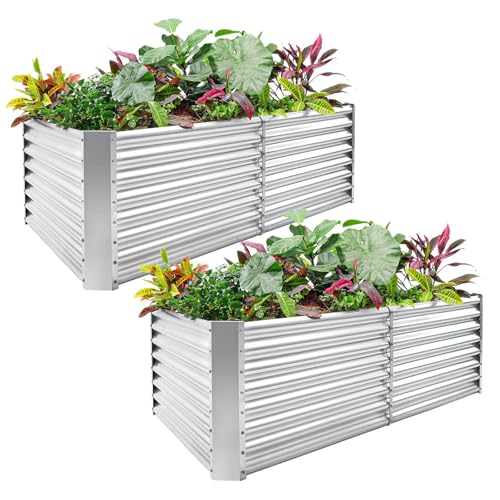
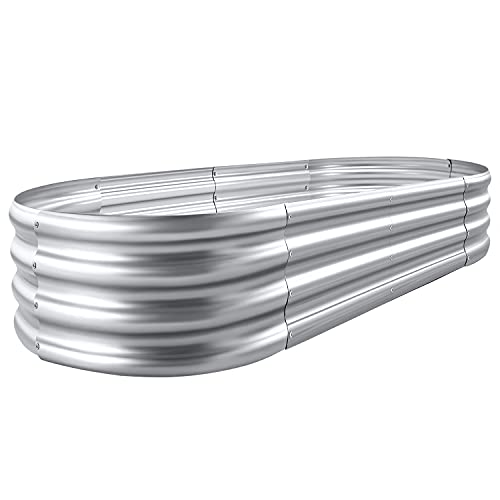
Birdies makes bolt-together beds in coated steel, and reviewers frequently single them out for sturdy panels and a range of heights. The maker positions the beds as long-lived and offers multiple sizes and an optional modular approach where you can add corners or extend a run. They are on the premium side of the market, so they suit gardeners who plan to stay put and want a bed that will last many seasons. The tradeoffs are weight in shipping, sharp panel edges before assembly (gloves are standard advice), and a metal look that does not suit every yard.
Vego Garden: best for modular layouts and tall options
Vego Garden sells a modular system of steel panels and corner pieces that can be arranged into rectangles, L shapes, and other layouts. The maker lists a range of heights including tall, wheelchair-accessible-style configurations, and reviewers highlight the flexibility of redesigning a layout later. Like other premium steel beds, it takes more up-front investment, and the assembly involves many small bolts, so setting aside time is wise. It is a strong pick for people who expect to change their yard over time.
Greenes Fence cedar beds: best classic wood look
Greenes Fence is a long-established maker of cedar raised beds in several sizes, including stackable designs where you can add height later. The maker describes its cedar as naturally resistant to rot and insects, and the boards typically weather to a silvery color unless sealed. Reviewers often point out that the wood is lighter and easier to handle than metal. The tradeoff is lifespan: wood in direct soil contact will eventually decay, and thinner boards may bow in wet conditions, so look at the board thickness the maker lists and add cross-bracing on long beds.
Frame It All: best for low-maintenance composite
Frame It All uses recycled-content composite lumber in modular kits. The maker states the material does not need staining or sealing, which appeals to gardeners who do not want to touch up wood every few years. The look is more utilitarian than cedar, and the boards add weight, but for a wet climate or termite-prone area it removes some of the usual wood worries. Mid-range pricing tiers are typical for this style.
Fabric grow beds: best budget and renter option
Fabric raised beds are the easiest to try. They are light, they fold away at season’s end, and they work on patios and uneven ground. Drawbacks include faster drying, which means more frequent watering, and a shorter service life as fabric eventually degrades under sun. They suit a first-season trial or a rental where nothing permanent can be built.
Pick X If… Decision Table
| Pick this | If you |
|---|---|
| Tall coated-steel bed (Birdies, Vego Garden) | Want less bending, plan to stay long term, and can afford a premium-tier purchase |
| Modular steel layout (Vego Garden) | Expect to rearrange or expand beds over time |
| Cedar kit (Greenes Fence, Gronomics) | Prefer a wooden look and are comfortable replacing boards eventually |
| Recycled composite (Frame It All) | Live in a wet or pest-heavy area and want low maintenance |
| Fabric bed | Rent, garden on a patio, or want a budget trial |
| Elevated planter on legs | Garden seated or on a balcony and grow shallow-rooted crops |
Fit, Assembly, and Care Notes
- Level the site. Even small slopes cause soil to shift and panels to stress. Rake and tamp the ground, or build a terraced layout.
- Sun matters more than the bed. Most vegetables want roughly six or more hours of direct sun, so place the bed before buying accessories.
- Assemble with gloves. Steel panel edges and screw ends can be sharp. Follow the manual’s sequence for corner brackets.
- Mulch the soil surface. Mulch reduces watering needs, especially in metal beds that warm up in summer.
- Water access. Plan a hose or drip line before filling the bed; retrofitting it afterward is harder.
- Refresh the soil. Add compost each season as the level settles, and rotate crop families year to year.
Budget Tiers
Budget: fabric beds, thin cedar-style kits, and basic corrugated metal planters. They get you growing quickly, but expect shorter service life and some wobble. Mid-range: thicker cedar kits and composite beds, which usually offer a good balance of lifespan and cost. Premium: heavy-gauge coated steel from makers like Birdies and Vego Garden, built around long warranties and modular parts that can be replaced individually.
Alternatives to a Kit
- Build your own from lumber. A straightforward option if you have basic tools. Choose rot-resistant boards and confirm that the wood is suitable for edible gardens.
- Stone or concrete block beds. Durable and permanent, but they take labor and the blocks may alkalize nearby soil over time.
- In-ground garden with amended soil. If your native soil is fine, this skips the cost entirely, and a no-dig approach with compost on top works in many yards.
Frequently Asked Questions
How deep should a raised bed be for vegetables?
Around ten to twelve inches suits shallow-rooted crops like lettuce and herbs, and roughly seventeen inches or more gives tomatoes, carrots, and peppers more room. Many gardeners also choose depth based on how far they want to bend. If the bed sits on loosened native soil, roots can extend below the bed floor.
Is galvanized steel safe for growing food?
Makers of galvanized and coated-steel beds generally market them for vegetable growing, and they are widely used for that purpose. Acidic soil can accelerate zinc release in some conditions, so reading the maker’s guidance and your local extension service’s advice is sensible. If you have specific health concerns, ask a qualified professional.
Do I need to line the bottom of a raised bed?
Not for drainage, since open bottoms let water escape. Hardware cloth is commonly used to keep out burrowing animals, and landscape fabric is sometimes placed to slow weeds. Over concrete, use a bed with drainage holes and consider a liner or tray to protect the surface.
How long do raised garden beds last?
It depends on material and climate. Makers of coated steel advertise multi-year warranties, cedar typically lasts for a number of seasons before boards need replacing, and fabric beds have the shortest life. Check the warranty terms listed on each maker’s product page rather than assuming.
What soil should I fill a raised bed with?
Most guides suggest a blend of topsoil or garden soil with compost and a drainage amendment, rather than straight bagged potting mix, which can be costly in large volumes. Local garden centers often sell raised-bed mixes by the cubic yard. A soil test through your extension service can show whether the blend needs adjusting.
Can I put a raised bed directly on grass?
Yes, many gardeners do. Lay cardboard or several sheets of newspaper over the grass inside the frame to smother it, fill with soil, and the grass breaks down underneath. Mow or trim the area first and level the frame so panels sit evenly.