Key takeaways
- Pro: Incorporates hyaluronic acid to prevent post-wash tightness.
- Pro: Gentle enough for frequent use on reactive scalps.
- Con: The 12oz size runs out quickly if you wash daily.
What's inside
Oily hair is a frustrating cycle: wash too little and your roots look greasy by midday; wash too aggressively and your scalp overcompensates by producing even more sebum. The concrete problem buyers face is finding a formula that strips away excess oil, sweat, and product buildup without leaving the lengths dry or the scalp irritated. A poor choice often means trading one problem for another—flakiness, itchiness, or hair that feels like straw.
What separates a good clarifying shampoo from a bad one comes down to active ingredients, surfactant strength, and how well the formula balances cleansing with hydration. As a senior product reviewer, I compared these eight options based on published specifications, ingredient lists, prices, and owner feedback gathered across retail platforms. This roundup breaks down where each bottle excels so you can match a formula to your specific scalp needs in 2026 without guessing.
As an Amazon Associate we earn from qualifying purchases at no extra cost to you. Product prices and availability are accurate as of the date shown and are subject to change.


Quick Picks
| Product | Best for | Price |
|---|---|---|
| CeraVe Oil Control Shampoo | Sensitive scalps needing gentle oil control | $8.97 |
| L’Oreal Paris Elvive Hyaluron + Pure | Long-lasting freshness at a high volume | $9.47 |
| Dove Men Charcoal + Clay | Heavy buildup and deep clarification | $8.99 |
| Rosemary & Lemon Clarifying Shampoo | Natural-leaning anti-residue routines | $12.95 |
| OGX Rosemary Mint Shampoo | Budget-friendly sulfate-free cleansing | $7.00 |
| Tea Tree Special Shampoo | Intense scalp refreshment | $20.00 |
| Head & Shoulders Clinical Strength | Oily hair paired with stubborn dandruff | $11.97 |
| Dove Derma Scalp Oil Control | Gentle daily maintenance | $9.97 |
How We Picked
Selecting the right shampoo for oily hair requires evaluating four core criteria. First, we looked at active oil-fighting ingredients, such as salicylic acid, charcoal, selenium sulfide, or botanical extracts, which dictate how effectively a formula dissolves sebum. Second, we assessed the surfactant system to determine whether a product leans toward deep stripping or gentle daily use. Third, we reviewed published owner feedback to identify recurring complaints about dryness, residue, or lack of efficacy. Finally, we weighed price against bottle size to ensure the cost per ounce makes sense for regular use, since oily hair often demands more frequent washing than other hair types.
The 8 Best Shampoo For Oily Hair in 2026
CeraVe Oil Control Shampoo
This 12-ounce clarifying shampoo targets those who need effective oil removal without compromising their skin barrier. Formulated with hyaluronic acid, it aims to hydrate while it cleanses, making it a strong option for sensitive scalps prone to irritation from harsher detergents. Owner reviews frequently praise its mild lather and non-drying finish.
- Pro: Incorporates hyaluronic acid to prevent post-wash tightness.
- Pro: Gentle enough for frequent use on reactive scalps.
- Con: The 12oz size runs out quickly if you wash daily.
Skip this if you have heavy styling product buildup, as owners note it may require a second wash to fully clarify thick residues.
L’Oreal Paris Elvive Hyaluron + Pure
Designed for users seeking extended oil control, this 28-fluid-ounce bottle combines salicylic acid with hyaluronic acid to purify the scalp while retaining moisture. It is ideal for people who want to stretch the time between washes. Feedback highlights its ability to leave hair feeling lightweight for multiple days.
- Pro: Salicylic acid actively exfoliates the scalp to prevent pore congestion.
- Pro: Large 28-fluid-ounce size offers excellent value per wash.
- Con: Fragrance may be too prominent for highly scent-sensitive individuals.
Skip this if you prefer entirely fragrance-free formulas or if your scalp is currently broken or sunburned, as salicylic acid can sting compromised skin.
Dove Men Charcoal + Clay
Marketed primarily toward men but suitable for anyone, this 28-ounce clarifying shampoo uses charcoal and clay to absorb excess grease. It is built for heavy-duty cleansing, particularly after workouts or exposure to environmental pollutants. Owners appreciate the deep-clean feeling it leaves behind without completely stripping the ends.
- Pro: Charcoal and clay provide powerful physical absorption of surface oils.
- Pro: Generous 28-ounce bottle lasts through many weeks of regular use.
- Con: Can feel overly drying on fine or color-treated hair lengths.
Skip this if you have chemically treated, bleached, or very fragile hair, as the intense clarifying action may accelerate color fading or cause brittleness.
Rosemary & Lemon Clarifying Shampoo
This 8-ounce deep cleansing shampoo relies on rosemary, lemon, and jojoba oil to tackle buildup and greasy roots. It appeals to buyers looking for an anti-residue treatment with recognizable botanical ingredients rather than synthetic acids. Reviewers often mention the refreshing scent and noticeable reduction in scalp heaviness.
- Pro: Jojoba oil helps condition the scalp while lemon cuts through grease.
- Pro: Effective at removing stubborn styling product residue.
- Con: The 8-ounce bottle is relatively small for the $12.95 price point.
Skip this if you are on a strict budget or need a large family-sized bottle, as the cost per ounce is significantly higher than mass-market alternatives.
OGX Extra Strength Refreshing Scalp + Rosemary Mint
Priced at just $7 for 13 fluid ounces, this sulfate-free formula is aimed at budget-conscious buyers who still want effective clarification. It uses sulfate-free surfactants alongside rosemary mint to visibly remove oil and clear away buildup. Owners frequently highlight the cooling sensation and the surprisingly rich lather for a sulfate-free product.
- Pro: Lowest price on this list makes it highly accessible.
- Pro: Sulfate-free surfactants reduce the risk of severe moisture stripping.
- Con: May not be strong enough for extremely heavy sebum producers.
Skip this if you rely heavily on silicone-based serums or waxes, as sulfate-free systems sometimes struggle to break down heavy silicones completely.
Tea Tree Special Shampoo
This 10.14-fluid-ounce premium option is formulated for all hair types but specifically targets oily scalps that crave intense refreshment. Tea tree oil acts as a natural antiseptic and clarifier, delivering a distinct tingling sensation that owners love. It is best suited for those willing to pay a premium for a salon-tier sensory experience.
- Pro: Delivers an immediate, invigorating cooling effect on the scalp.
- Pro: Highly effective at neutralizing odors associated with excess oil.
- Con: At $20, it is the most expensive option per ounce in this lineup.
Skip this if you have a known sensitivity to essential oils or if you are trying to minimize your monthly grooming expenses.
Head & Shoulders Clinical Strength Advanced Oil Control
Containing 1% selenium sulfide, this 13.5-fluid-ounce shampoo is strictly for those battling both excessive oil and stubborn dandruff. It is a clinical-grade solution rather than a casual daily wash. Owners dealing with seborrheic dermatitis frequently cite this as one of the few over-the-counter options that actually controls their flaking and grease simultaneously.
- Pro: Selenium sulfide directly addresses fungal contributors to dandruff and oil.
- Pro: Provides targeted relief for severe, stubborn scalp conditions.
- Con: Medicinal scent and harsh actives make it unsuitable for casual cosmetic use.
Skip this if your only issue is standard oiliness without flaking, as the active ingredient is unnecessarily aggressive for simple sebum management.
Dove Derma Scalp Oil Control Shampoo
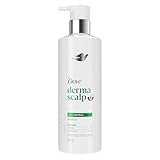
This 16-fluid-ounce derm-focused shampoo uses glycerin to maintain hydration while managing scalp oil production. It is designed for users who want a balanced, everyday approach rather than periodic deep stripping. Feedback suggests it works well as a maintenance wash between heavier clarifying sessions, keeping roots flat-free without causing rebound oiliness.
- Pro: Glycerin ensures the scalp remains hydrated during oil removal.
- Pro: Balanced formula supports daily use without over-drying.
- Con: Lacks the heavy-hitting actives needed for severe buildup removal.
Skip this if you need an immediate reset for months of product accumulation, as its gentle nature prioritizes balance over raw stripping power.
Buying Guide
Active Ingredients Matter Most
When shopping for the best shampoo for oily hair, the active ingredients dictate the product’s primary function. Salicylic acid chemically exfoliates the scalp, breaking down sebum inside the pores. Charcoal and clay work physically, absorbing oil from the surface. Selenium sulfide treats underlying fungal issues that mimic or worsen oiliness. Botanical options like tea tree and rosemary offer milder, antimicrobial benefits. Match the active to your root cause: choose acids for clogged-feeling scalps, absorbers for surface grease, and medicated options for flaking.
Surfactant Strength vs. Frequency of Use
Surfactants are the cleansing agents that lift oil away. Sulfate-based surfactants are incredibly efficient at stripping grease but can trigger rebound oil production if used every single day. Sulfate-free surfactants clean more gently, preserving the scalp’s natural moisture barrier. If you wash your hair daily, lean toward sulfate-free or glycerin-enriched formulas. If you wash twice a week and need a total reset, a stronger sulfate or clarifying formula will serve you better without long-term damage.
Size and Cost Per Ounce
Oily hair requires more frequent washing, meaning you will burn through bottles faster than someone with dry hair. Always calculate the cost per ounce rather than just looking at the sticker price. A $7 bottle that holds 13 fluid ounces might be a better financial decision than a $12.95 bottle holding only 8 ounces. Larger formats, like 28-ounce bottles, generally offer superior longevity and value, provided you actually like the formula enough to finish the entire container.
Our Verdict
For overall performance, the L’Oreal Paris Elvive Hyaluron + Pure stands out as our top pick. Its combination of salicylic acid for exfoliation, hyaluronic acid for hydration, and a generous 28-fluid-ounce size at $9.47 delivers the best balance of efficacy and value. If you are watching your spending closely, the OGX Extra Strength Refreshing Scalp + Rosemary Mint is the undisputed budget pick at just $7, offering sulfate-free cleansing that punches above its weight class. However, if your oily scalp is accompanied by persistent, stubborn dandruff, neither of those will suffice; under that specific condition, the Head & Shoulders Clinical Strength Advanced Oil Control wins outright due to its 1% selenium sulfide formulation.
FAQ
How often should I wash oily hair?
Most dermatologists suggest washing oily hair every one to two days. Washing too infrequently allows sebum to accumulate and irritate the scalp, while washing multiple times a day can strip the skin and trigger rebound oil production. Adjust your schedule based on how your scalp responds to your chosen formula.
Can conditioner make my hair oilier?
Yes, if applied incorrectly. Heavy conditioners applied directly to the roots will weigh hair down and exacerbate greasiness. Apply conditioner only from the mid-lengths to the ends of your hair, avoiding the scalp entirely to maintain volume and cleanliness at the root.
Is clarifying shampoo safe for color-treated hair?
Clarifying shampoos are designed to strip buildup, which means they can also strip artificial color. If you have color-treated hair, limit clarifying washes to once every two weeks and opt for gentler, sulfate-free options for your regular routine to preserve your dye job.
Why does my hair get greasy so fast even after washing?
Rapid greasiness is often caused by using a shampoo that is either too harsh, prompting the scalp to overproduce oil to compensate, or too weak to remove existing sebum. It can also stem from hormonal factors or applying heavy styling products near the roots. Switching to a balanced formula with targeted actives usually resolves the issue.