Key takeaways
- Clean the gasket and drip tray: wipe after each session to keep seals reliable.
- Let the machine cool: allow 20 to 30 seconds between batches.
- Do not seal everything: do not store raw mushrooms, garlic in oil or fresh cooked foods unrefrigerated, because oxygen-free storage can encourage certain bacteria. Check food safety guidance from official sources.
The best vacuum sealer for most kitchens is the Nesco VS-12 Deluxe or the Anova Precision Vacuum Sealer Pro. Both are external 12 inch sealers with double seals and roll storage, and both appear at the top of 2026 roundups. Choose FoodSaver for easy bags and widespread availability, and the Weston Pro-2300 if you process bulk meat or game.
Our top picks


As an Amazon Associate we earn from qualifying purchases at no extra cost to you.
Quick Comparison of the Best Vacuum Sealers
| Pick | Best for | Type | Key features | Trade-off | Price tier |
|---|---|---|---|---|---|
| Nesco VS-12 Deluxe | Best overall | External, 12 in bar | 130 W double pump, built-in roll storage and cutter, dry and moist modes, pulse | Plastic body, runs warm in long batches | Mid-range |
| Anova Precision Vacuum Sealer Pro | Strong seals, wet foods | External | Double seal, roll storage, wet-food controls | Costs more than comparable external sealers | Upper-mid |
| Anova Precision (base) | Compact kitchens | External | Smaller footprint | Fewer features than Pro | Mid-range |
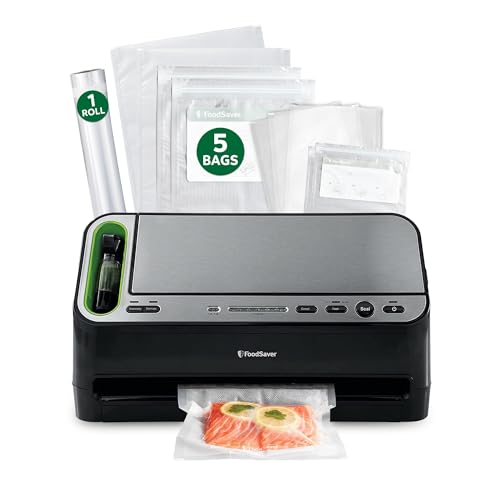
| FoodSaver V4400 | Familiar bags, easy use | External | Automatic bag detection | Proprietary bag styles are pricier | Mid-range |
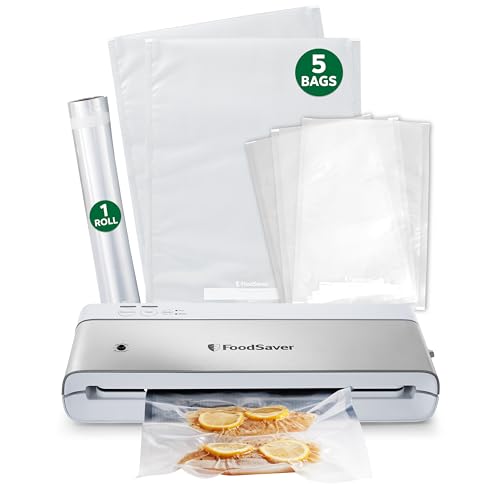
| FoodSaver FM2100 | Beginners | External | Simple operation | Basic feature set | Budget |
| FoodSaver Handheld+ 2-in-1 | Zipper bags and containers | Handheld | Works with zipper bags and bottle stoppers | Weaker than countertop sealers | Budget |
| Weston Pro-2300 | Bulk meat and game | Heavy duty external | 15 in Teflon seal bar | Large and expensive | Premium |
| Anova Precision Chamber | Liquids and soups | Chamber | Seals wet foods cleanly | High cost and size | Premium |
Specs are from manufacturer descriptions and published roundups. Prices change frequently, so use the tiers as a guide and check current listings.
Best Overall: Nesco VS-12 Deluxe
Good Housekeeping and TechGearLab both listed the Nesco VS-12 as a best overall pick. It has a double piston pump around 130 watts, a 12 inch seal bar, a built-in bag roll holder with cutter and separate settings for dry and moist foods. A pulse button lets you stop the vacuum on delicate items such as chips and soft cheeses. Its trade-off is a plastic housing that gets warm if you seal a long series of bags.
Best Seals and Wet Foods: Anova Precision Vacuum Sealer Pro
Anova’s Pro model is praised for strong extraction, a double seal and controls for moist foods. The Barbecue Lab says it tied with the Nesco for first overall while being the most expensive 12 inch external sealer it compared. It suits cooks who use sous vide and want consistent seals for long cooking times.
Best for Small Kitchens: Anova Precision Base
The base Anova trims size and price while keeping the brand’s design. It suits couples and small households that seal occasionally.
Best for Easy Everyday Use: FoodSaver V4400
FoodSaver is the best-known name and offers widely available bags and accessories. The V4400 is a mainstream countertop unit with automatic bag detection. Efficient Cuisine ranks it first on its list. The trade-off is that proprietary bags and rolls cost more than third-party versions.
Best for Beginners: FoodSaver FM2100
The FM2100 keeps the basics: vacuum and seal, with minimal buttons. It is a good first sealer if you primarily freeze meat portions and leftovers.
Best Handheld: FoodSaver Handheld+ 2-in-1
A handheld unit works with zipper bags, containers and bottle stoppers. It is convenient for marinating and storing leftovers but does not create a heat seal like a countertop sealer, so it is not for long-term freezer storage.
Best for Bulk and Game: Weston Pro-2300
With a 15 inch Teflon seal bar, the Pro-2300 is built for processing a deer or a bulk meat purchase. It uses a heavy-duty pump designed for continuous work. It takes up lots of counter space, so it suits dedicated hunters and farmers.
Best for Liquids: Anova Precision Chamber
A chamber sealer removes air from the whole chamber, so liquids do not get pulled into the machine. This is the best option for soups, stocks and marinades, but it is bulky and costly.
External Versus Chamber Sealers
| Feature | External (clamp) sealer | Chamber sealer |
|---|---|---|
| Liquids | Needs pre-freezing or careful handling | Seals soups and marinades directly |
| Bag cost | Textured channel bags needed | Cheaper smooth bags |
| Size | Compact | Large and heavy |
| Price | Budget to upper-mid | Premium |
| Best for | Meat, vegetables, dry goods | Sous vide, wet foods |
How to Choose a Vacuum Sealer
Seal bar width
A 12 inch bar handles standard rolls and quart to gallon bags. A 15 inch bar suits bulk and larger cuts.
Double seal
Two parallel seal lines reduce leaks and are important for freezer storage.
Moist-food mode
A moist setting limits suction and extends sealing time to handle juices. It matters for meat and fish.
Pulse and accessory port
A pulse control protects delicate items, and an accessory port allows sealing canisters and mason jars.
Bag costs
Because you will use bags regularly, compare per-bag cost. Third-party rolls often cost far less than brand-name ones.
Worked Example: Freezer Storage Savings
Vacuum sealing slows freezer burn, so meat can keep its quality for much longer than in ordinary freezer bags. Suppose a household throws away about two pounds of freezer-burned meat every month. Over a year that is 24 pounds of wasted food, which at typical meat prices adds up to a meaningful grocery cost. A mid-range sealer can offset its purchase price within a year or two, and the bags add a small running cost per use. These figures are estimates and will vary with your habits and the food you buy.
Ownership Realities
- Clean the gasket and drip tray: wipe after each session to keep seals reliable.
- Let the machine cool: allow 20 to 30 seconds between batches.
- Do not seal everything: do not store raw mushrooms, garlic in oil or fresh cooked foods unrefrigerated, because oxygen-free storage can encourage certain bacteria. Check food safety guidance from official sources.
How to Vacuum Seal Food Step by Step
- Cut the bag with extra length: leave at least 3 inches above the food for the seal and add another inch if you plan to reopen and reseal. The reason is that each reuse trims the bag.
- Seal one end first: seal the bottom of a roll bag before loading it so the food cannot shift while you work.
- Keep the opening clean: wipe any moisture or grease from the top 2 inches. Wet or oily edges are the most common cause of failed seals.
- Pre-freeze soft or wet foods: freeze marinated meat, berries and soups for an hour or more so liquid does not get drawn into the machine.
- Choose the matching mode: use dry mode for dry goods and moist mode for juicy foods, and use pulse for fragile items.
- Check the seal: look for two clean parallel lines with no wrinkles, and label the bag with contents and date before freezing.
Which Foods Benefit Most and Which to Avoid
Vacuum sealing helps most with raw meat and fish destined for the freezer, bulk dry goods like rice and flour, coffee beans, nuts, cheese blocks, and sous vide meals. It also keeps prepped vegetables fresher in the refrigerator for a few extra days.
Some foods need caution or should not be sealed at all. Soft cheeses and raw mushrooms can spoil without oxygen in ways that are hard to spot, and raw garlic or onions release gases. Fresh cooked food should be chilled before sealing, and sealed perishable food still needs refrigeration or freezing. When in doubt, follow guidance from your national food safety agency, which publishes storage charts that apply to vacuum-packed food.
Finally, keep a small supply of replacement gaskets and a few spare bag rolls. A sealer that sits idle because you ran out of bags rarely repays its cost.
Frequently Asked Questions
How long does vacuum-sealed food last?
Frozen vacuum-sealed meat can last far longer than conventionally wrapped meat, often a year or more depending on the food. Refrigerated sealed food lasts longer but should still be checked for spoilage.
Can you vacuum seal liquids?
External sealers struggle with liquids unless you freeze them first. Chamber sealers handle them directly.
Are FoodSaver bags required for FoodSaver machines?
Most machines work with generic textured bags, though check compatibility. Third-party bags are cheaper.
Is a handheld vacuum sealer worth it?
It is useful for short-term storage in zipper bags, but it does not replace a countertop sealer for freezing.
Can vacuum sealing replace refrigeration?
No. Vacuum sealing slows spoilage but does not make perishable food shelf-stable, so keep it refrigerated or frozen.