
Key takeaways
- Regulatory note: In 2020, the FDA issued a safety communication stating ozone and UV light cleaners are not FDA-approved medical devices for CPAP cleaning and that ozone can damage CPAP materials. This position remained the basis for manufacturer guidance in 2026. These cleaners are sanitizers, not replacements for soap-and-water cleaning as recommended in your CPAP manual.
- ResMed and Philips machines: Both companies state that using an ozone cleaner can damage silicone seals, inflate bladder seals, and degrade foam and that such damage is not covered under warranty. If you own these brands, a UV-C system carries no such risk.
- Heated hoses and humidifier chambers: Heated hose electronics and rubber gaskets are more vulnerable to ozone oxidation. UV-C is safe but chambers must be emptied, rinsed, and dried before the UV cycle, as water blocks UV light.
- Filters: Never place the disposable fine filter or reusable pollen filter inside any cleaner. Ozone can degrade filter fibers and activated carbon filters, reducing filtration efficiency. UV-C can make filter media brittle. Remove filters before sanitizing. Ozone systems require their own cartridge filter that captures excess ozone, which is a consumable you must replace.
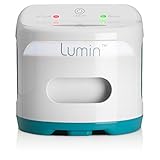
The best cpap cleaning machine for daily sanitizing without damage is a UV-C model like the Lumin if you want to protect seals and filters, while an ozone-based model like the SoClean 3 is faster for automated hose and water chamber sanitizing but requires proper ventilation and filter care. Your choice depends on cycle time, noise tolerance, and whether your CPAP uses silicone seals and activated filters that degrade with ozone.
As an Amazon Associate we earn from qualifying purchases at no extra cost to you.
Ozone vs. UV-C: How Each CPAP Cleaning Machine Works
Understanding the sanitizing method is the key to avoiding damage. The two dominant technologies in 2026 work very differently and have different implications for your CPAP components.
Ozone (Activated Oxygen) Cleaners
Ozone cleaners, such as the SoClean 2 and SoClean 3, generate ozone gas inside a closed chamber or bag-connected system. The gas circulates through the hose, mask, and water chamber to sanitize without water or manual scrubbing. After the cycle, ozone converts back to regular oxygen. These units are automated: you connect your CPAP hose and mask, close the lid or bag, and press start. Most ozone systems do not require disassembly.
Ozone is effective, but it is an oxidant. With repeated daily exposure, it can accelerate breakdown of soft silicone, thin mask cushions, and headgear elastic. This is why CPAP manufacturers including ResMed and Philips advise against ozone cleaners for their devices and state that warranty coverage may be affected if damage is linked to ozone use. This does not mean the cleaner will break your machine immediately, but it does raise durability considerations for seals and filters.
UV-C Light Cleaners
UV-C cleaners like the Lumin and Lumin Bullet use a high-intensity ultraviolet light in a drawer or wand chamber. The Lumin uses a 5-minute cycle that exposes only what is placed inside the tray to UV-C light. It does not circulate gas through the tubing, so you must place the mask and water chamber components directly under the light. Hoses require a separate accessory like the Lumin Bullet, which is a small capsule that shines UV light inside the hose interior.
UV-C does not produce chemical residue or gas and does not degrade silicone or filter media in the same way. It is safe for all CPAP materials, including memory foam cushions and fabric. The trade-off is that it is a surface-contact method: any surface not exposed to the light is not sanitized, so placement matters.
Spec and Feature Comparison Table
Use this table to compare real-world specs that affect daily use more than marketing claims do.
| Feature | Ozone Automated Cleaner (e.g., SoClean 3) | UV-C Chamber Cleaner (e.g., Lumin) | UV-C Hose Cleaner (e.g., Lumin Bullet) |
|---|---|---|---|
| Sanitizing Method | Ozone gas circulation | UV-C light (254 nm) | UV-C light inside hose |
| Cycle Time | 7 minutes active + 80-120 min total with purge | 5 minutes | 60-90 seconds per hose end |
| Noise During Cycle | 42-48 dB (fan and pump audible) | Under 35 dB (fan only) | Silent (no fan) |
| Unit Size / Weight | ~10.5 x 8.5 x 6 in / 3.5 lbs | ~10 x 9 x 5 in / 4.2 lbs | ~4 x 1.5 in / 0.3 lbs, rechargeable |
| What Goes Inside | Mask + hose + chamber connected externally | Mask + chamber tray only (not hose interior) | Hose only |
| Filter / Cartridge Needed | Yes: Filter cartridge + Check valve, replace every 6 months | No: UV bulb rated for ~5 years (reusable tray) | No: Rechargeable battery, 100+ cycles per charge |
| Residue / Venting | Requires venting ozone for 1-2 hours, faint odor | None, open and use immediately | None |
| CPAP Compatibility | Fits most with hose adapter; not recommended by ResMed/Philips due to ozone | Universal: fits any mask or chamber that fits tray (8.5 x 8.5 in) | Universal: fits standard 15mm, 19mm, 22mm hoses |
Decision Matrix: Which CPAP Cleaning Machine Fits Your Situation
There is no single best option for everyone. Match your priorities to the right type:
| Your Situation | Best Fit | Why |
|---|---|---|
| You want the fastest fully automated daily routine and hate disassembly | Ozone automated cleaner | One-button operation that sanitizes hose interior without taking it apart; longest total cycle but least hands-on time |
| You own a ResMed AirSense 11, AirMini, or Philips DreamStation and want to preserve warranty and seal life | UV-C chamber + bullet combo | No oxidant exposure; will not void manufacturer guidance on ozone damage to silicone and foam |
| You are sensitive to smells, have pets, or keep CPAP in a bedroom closet with poor ventilation | UV-C chamber | No ozone gas to vent, no odor, no waiting period before entering room |
| You use heated tubing or memory foam cushions (like AirTouch F20) | UV-C chamber | Ozone accelerates foam breakdown; UV-C is material-safe and manufacturer-approved for these cushions |
| You travel frequently or have limited counter space | UV-C bullet + manual wipe | Bullet is pocket-sized and battery powered; large ozone units are not portable |
| You have limited dexterity and cannot lift or place trays daily | Ozone automated cleaner | Less precise placement needed than lining up mask under UV light |
Cycle Time, Noise, and Real Daily Routine
Cycle time is marketed as 5-7 minutes, but total time off the machine differs. An ozone cpap cleaning machine typically runs a 7-minute ozone injection followed by a long purge period where the fan converts ozone back to oxygen. The CPAP mask will smell faintly of ozone for 30-90 minutes if you open it early. Most users run the cycle in the morning after waking and leave the CPAP in the cleaner until evening, so the venting time does not matter.
A UV-C chamber is a true 5-minute cycle. You place the disassembled mask cushion and water chamber on the tray, close the drawer, and remove them when the light turns off. There is no purge time. Noise is limited to a small cooling fan, quiet enough for a bedroom. The extra manual work is 30-45 seconds of disassembly and placement, which is also when you should do a quick wipe of seal oils.
For hose cleaning, the difference is larger. Ozone cleans the hose automatically because gas flows through it. With UV-C, you must run the Lumin Bullet separately, inserting it into each end of the hose for about a minute. If you skip this step, a UV chamber alone will not sanitize the inside of the hose.
CPAP Model Compatibility and Risk of Damage
Compatibility is not just about fitting the hose. It is about long-term material safety.
- Regulatory note: In 2020, the FDA issued a safety communication stating ozone and UV light cleaners are not FDA-approved medical devices for CPAP cleaning and that ozone can damage CPAP materials. This position remained the basis for manufacturer guidance in 2026. These cleaners are sanitizers, not replacements for soap-and-water cleaning as recommended in your CPAP manual.
- ResMed and Philips machines: Both companies state that using an ozone cleaner can damage silicone seals, inflate bladder seals, and degrade foam and that such damage is not covered under warranty. If you own these brands, a UV-C system carries no such risk.
- Heated hoses and humidifier chambers: Heated hose electronics and rubber gaskets are more vulnerable to ozone oxidation. UV-C is safe but chambers must be emptied, rinsed, and dried before the UV cycle, as water blocks UV light.
- Filters: Never place the disposable fine filter or reusable pollen filter inside any cleaner. Ozone can degrade filter fibers and activated carbon filters, reducing filtration efficiency. UV-C can make filter media brittle. Remove filters before sanitizing. Ozone systems require their own cartridge filter that captures excess ozone, which is a consumable you must replace.
Durability and Ownership Realities: What Wears First and What It Costs
A cpap cleaning machine does not eliminate maintenance. It changes what you maintain.
What wears first with ozone: The soft silicone mask cushion and short seal flap lose elasticity first, followed by the hose check valve and ozone filter cartridge. Users who run daily ozone cycles often notice cushions turning slightly yellow or feeling tacky 2-4 months earlier than expected and need to replace cushions more frequently. The SoClean check valve, cartridge filter, and hose adapter are consumables on a 6-month replacement schedule. If the valve fails, ozone can backflow into the CPAP motor.
What wears first with UV-C: The UV bulb slowly loses intensity after about 5,000 cycles and the tray hinges and reflective coating dull with UV exposure. The compromise is the Bullet battery, which holds charge for about 2-3 years before capacity drops. There are no chemical consumables.
Worked cost per use over 2 years (730 daily cycles):
For a general market range in 2026, ozone automated units typically cost $240-$330 upfront and UV-C chambers $170-$260, with the bullet accessory $60-$90.
- Ozone: $285 machine + ($25 cartridge x 4) + ($20 check valve kit x 4) = $465 total / 730 uses = ~$0.64 per use, plus earlier mask cushion replacement if applicable.
- UV-C chamber + bullet: $220 chamber + $75 bullet = $295 total / 730 uses = ~$0.40 per use, with no scheduled consumables. Electricity is negligible for both (under 15 watts).
This calculation does not include CPAP soap, distilled water, or replacement cushions. It shows why ozone has a higher lifetime cost despite similar starting prices.
Maintenance That Prevents Damage Either Way
- Wash mask cushions and chamber with mild fragrance-free soap and warm water at least weekly, even if you sanitize daily. Sanitizers do not remove facial oils, which are the main cause of cushion leaks.
- Always empty and air-dry the water chamber before any UV cycle. Do not place a wet chamber in an ozone bag either, as moisture can trap ozone odor.
- Replace the CPAP fine filter on the schedule in your CPAP manual, typically every 2-4 weeks, and never attempt to clean and reuse a disposable filter in a cleaner.
- Rerun or air out after ozone: If you smell ozone sharply when you open the cleaner, leave the mask out in fresh air for 30 minutes before use.
- For UV: Wipe the chamber window and tray with a dry cloth monthly. A dusty window blocks UV and reduces effectiveness without any visible warning.
General information only. A cpap cleaning machine is not a medical device and does not replace the cleaning instructions provided by your CPAP manufacturer. If you have respiratory conditions, allergies, or concerns about ozone exposure, talk to your healthcare provider or equipment supplier before choosing a sanitizing method.
Bottom Line: Which Should You Buy?
Choose an ozone automated cpap cleaning machine if your priority is a hands-off routine that cleans the full hose path without disassembly and you have a well-ventilated area and a CPAP brand that permits ozone.
Choose a UV-C chamber cleaner with a hose bullet if you want the safest daily sanitizing without damage to seals, foam, or filters, need silent operation and immediate reuse, or own a ResMed or Philips system. It requires 30 seconds more hands-on time but preserves cushion softness and avoids consumable filters and odor.
For most daily users in 2026 focused on long-term durability and compatibility, the UV-C approach is the lower-risk ownership path.









