
The best electric toothbrush for most people is a mid-range Oral-B iO Series model or a Philips Sonicare ProtectiveClean or 4100-class brush: both families remove plaque better than a manual brush when used for the full two minutes, and the difference between them is mostly feel, not results. Spend more only if you want app coaching, a travel case that charges the handle, or a very gentle sensitive mode.
Our top picks


As an Amazon Associate we earn from qualifying purchases at no extra cost to you.
Quick Comparison of the Best Electric Toothbrushes in 2026
| Pick | Best for | Motion | Modes | Battery (maker claim) | Price range |
|---|---|---|---|---|---|
| Oral-B iO Series 10 | Best overall, feature-rich | Oscillating-rotating, magnetic drive | 7 | Up to about 2 weeks | Premium |
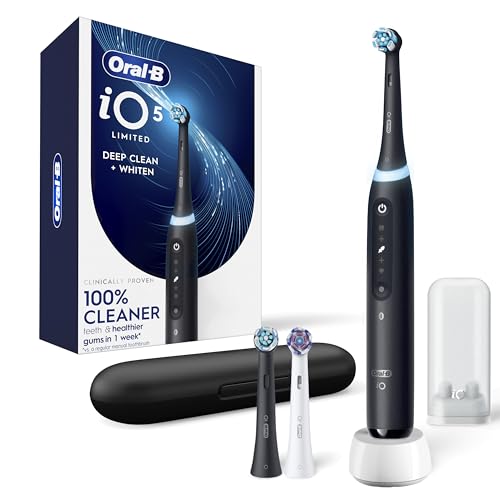
| Oral-B iO Series 5 | Best value on iO tech | Oscillating-rotating, magnetic drive | 5 | Up to about 2 weeks | Upper-mid |
| Oral-B iO Series 3 | Best entry iO | Oscillating-rotating, magnetic drive | 3 | Up to about 2 weeks | Mid-range |
| Philips Sonicare 9900 Prestige | Best premium sonic | Sonic side-to-side | Adaptive, multiple | Up to about 2 weeks | Premium |
| Philips Sonicare ProtectiveClean 6100 | Best for sensitive gums | Sonic side-to-side | 3 | Up to about 2 weeks | Mid-range |
| Philips Sonicare 4100 | Best budget sonic | Sonic side-to-side | 1 | Up to about 2 weeks | Budget |
| Oral-B Pro 1000 | Cheapest dependable option | Oscillating-rotating | 1 | Several days of daily use | Budget |
Mode counts and battery figures follow the manufacturers’ published specifications; exact numbers vary slightly by regional version, so confirm on the product page before buying.
Best Overall: Oral-B iO Series 10
The iO Series 10 is the flagship of Oral-B’s magnetic-drive line. Its round head oscillates and rotates, and the handle senses how you move so the app and display can coach where you missed. It adds the most modes of any Oral-B, a charging travel case, and a pressure sensor that slows the motor when you press too hard.
Who it suits: people who like data and want the most polished feel. Trade-off: it costs several times more than a basic brush, and the extra coaching matters less if you already brush carefully for two minutes.
Best Value: Oral-B iO Series 5
The iO Series 5 uses the same magnetic drive as the more expensive models but trims the extras. You still get a pressure sensor, several cleaning modes and a smart-connected app, which is why many reviewers call it the sweet spot of the iO range.
Who it suits: anyone who wants iO cleaning without paying for a travel case and top-tier display. Trade-off: the display is simpler than the flagship.
Best Entry Oral-B iO: iO Series 3
The Series 3 keeps the iO motion and pressure sensor in a plainer handle with fewer modes. It is a good gift or first upgrade from a manual brush.
Trade-off: fewer modes and no app-guided mapping of your mouth.
Best Premium Sonic: Philips Sonicare 9900 Prestige
Philips pairs a sonic handle with sensors that adapt speed and pressure to how you brush. Brush heads are slim and gentle, which suits people who find oscillating heads intense. Sonicare handles usually run longer between charges than comparable Oral-B models.
Who it suits: frequent travellers and anyone who wants a gentle, smart brush. Trade-off: premium pricing and replacement heads that cost more than basic ones.
Best for Sensitive Gums: Philips Sonicare ProtectiveClean 6100
The 6100 gives you three intensity modes and a pressure sensor that warns when you scrub too hard, which is the habit that damages gums. Many dental professionals suggest a pressure-sensing brush for people who press hard, though anyone with gum pain or bleeding should see a dentist rather than rely on a product.
Trade-off: a more basic travel setup than the Prestige.
Best Budget Sonic: Philips Sonicare 4100
The 4100 is the brush to buy if you want a real sonic brush at a low price. It has a pressure sensor, a two-minute timer with 30-second pacing, and a battery that lasts about two weeks. It has a single mode, which many people never change anyway.
Trade-off: one mode and no app.
Cheapest Reliable Pick: Oral-B Pro 1000
The Pro 1000 is a long-running budget oscillating brush with a round head, two-minute timer and pressure sensor. It is not smart, but it cleans well. Trade-off: a shorter battery life and a plainer handle than the iO family.
How to Choose: Oscillating vs Sonic
- Oscillating-rotating (Oral-B): the round head cups each tooth and spins in short bursts. People who want a “polished” feel often prefer it.
- Sonic (Sonicare): the head vibrates in a side-to-side sweep at tens of thousands of movements a minute, creating fluid action between teeth. It feels lighter and less intense.
- Pressure sensor: worth having if you brush hard. Most picks above include one.
- Timer: two minutes with 30-second quadrant pacing is the standard. Look for it on any model.
- Head replacement: change heads about every three months, or sooner if bristles splay.
Worked Example: Cost of Ownership Over Three Years
Take a brush that costs a one-time handle price H and a replacement head price R. You need about 12 heads over three years if you replace quarterly. Total cost is H plus 12 times R, so a cheap handle with pricey heads can lose to a mid-priced handle with cheaper compatible heads. Compare head price per pack before you pick a handle, and remember a family sharing one handle needs one head per person.
Decision Guide
| Your situation | Pick |
|---|---|
| Tight budget, want a dependable brush | Sonicare 4100 or Oral-B Pro 1000 |
| Want the best mid-price cleaning | Oral-B iO Series 5 |
| Sensitive gums or press too hard | Sonicare ProtectiveClean 6100 |
| Frequent travel | Sonicare 9900 Prestige or iO Series 10 with case |
| Love app feedback | Oral-B iO Series 10 |
Ownership Realities
Rinse the head after each use and let it air-dry upright. Do not store several heads touching. Replace the head when bristle colour indicators fade, and clean the handle base where toothpaste collects. Electric brushes do not replace flossing or dental checkups; they are one part of a routine. This guide is general information and not medical advice.
Common Mistakes When Buying an Electric Toothbrush
- Buying on mode count alone. Whitening and massage modes change the motion slightly, but daily clean mode does most of the work. Paying extra for five modes you never switch between wastes money.
- Ignoring head price. A handle is a one-time purchase, while heads are a recurring cost. Look at the price per head in a multi-pack, and check whether your household can share one handle with separate heads.
- Pressing harder. Electric brushes need a light touch. Let the head glide along the gumline at roughly 45 degrees and spend about 30 seconds per quadrant.
- Skipping the timer. Most people brush for well under two minutes by feel. A built-in two-minute timer is the single most useful feature at any price.
Oral-B vs Sonicare: Head-to-Head
| Factor | Oral-B iO | Philips Sonicare |
|---|---|---|
| Head shape | Round, cups each tooth | Oval, brush-like |
| Feel | Stronger, polished | Lighter, tickly |
| Pressure sensor | Yes on most iO models | Yes on 4100 and up |
| Travel | Case on top models | Case on premium models |
| Replacement interval | About 3 months | About 3 months |
| Typical battery | Up to about 2 weeks | Up to about 2 weeks |
If you are unsure, think about what you dislike about your current brush. People who find a manual brush not clean enough often prefer Oral-B’s round head; people who find strong vibration unpleasant often prefer Sonicare. Both makers publish spec sheets, and dental bodies recognise both brands’ brushes when used as directed.
Who Should Stay With a Manual Brush
An electric brush is not required. If you already brush for two minutes with soft bristles and light pressure, a manual brush can match results. An electric model helps most when you brush too quickly, press too hard, or have limited hand dexterity, where a larger handle can make daily brushing easier. If you have receding gums, braces or implants, ask your dentist which brush head suits you.
Frequently Asked Questions
Are electric toothbrushes better than manual ones?
Studies summarised by dental associations generally show electric brushes reduce plaque and gum inflammation a bit more than manual brushes, mainly because they time you and do the motion for you. A careful manual brusher can still do well.
Is Oral-B or Sonicare better?
Neither wins across the board. Oral-B’s round head suits people who like a strong, polished feel, while Sonicare’s slim sonic heads feel gentler. Choose by comfort and the price of replacement heads.
How often should I replace the brush head?
About every three months, or sooner if the bristles look bent or worn. Worn bristles clean less effectively.
Do I need an app-connected toothbrush?
No. Apps give coaching and tracking, which helps some people build habits, but a good brush with a timer and pressure sensor handles the essentials.
Can children use these brushes?
Children’s models exist with softer heads and lower speeds. Adult brushes are not designed for young kids, so check the manufacturer’s age guidance and ask a dentist.









