Key takeaways
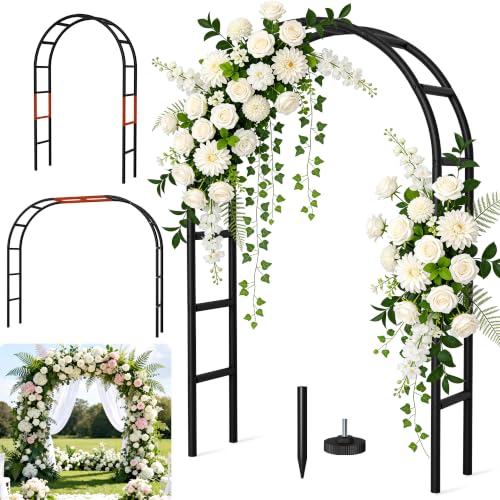
- Steel: Tubular steel arches, often powder-coated, are the most common. Roundups note that galvanized steel resists rust even if the paint is scratched, because the zinc coating protects the metal. Welded joints are stronger than bolt-together frames.
- Cedar and other wood: Cedar and fir give a classic look and sturdy mass. Reviewers say wood needs regular sealing or staining to stay in good shape.
- Vinyl: Vinyl will not rot and needs little care. Guides note that it lacks the rigid strength of heavy steel or thick timber, so it is best for lighter climbers.
For most gardens, a powder-coated or galvanized steel arbor gives the best balance of strength, upkeep and cost, cedar suits people who want a warm traditional look and will reseal it, and vinyl suits those who want a low-maintenance white structure for light climbers. The right choice depends on climate, the weight of the plant you intend to grow and whether the arbor must stand for decades. Here is how the main options compare, with the points roundup sites and the makers state.
Our top picks


As an Amazon Associate we earn from qualifying purchases at no extra cost to you.
Arbor materials in plain terms
An arbor is an open structure, usually an arch or a frame with a roof of slats, that frames a path or gate and supports climbing plants. Three materials dominate the market.
- Steel: Tubular steel arches, often powder-coated, are the most common. Roundups note that galvanized steel resists rust even if the paint is scratched, because the zinc coating protects the metal. Welded joints are stronger than bolt-together frames.
- Cedar and other wood: Cedar and fir give a classic look and sturdy mass. Reviewers say wood needs regular sealing or staining to stay in good shape.
- Vinyl: Vinyl will not rot and needs little care. Guides note that it lacks the rigid strength of heavy steel or thick timber, so it is best for lighter climbers.
At a glance
| Model or type | Material | Best for | Stated points | Limits |
|---|---|---|---|---|
| IRONMAX galvanized steel arch | Galvanized steel | Rust resistance on a budget-to-mid budget | Roundups name it a top steel pick; galvanizing is described as protecting against rust | Basic styling; assembly quality varies by batch |
| Plow & Hearth Montebello | Welded steel | Decorative, sturdy look | A roundup cites its welded build | Mid-range to premium tier |
| VINGLI 7 ft steel arbor | Powder-coated steel | Lowest-outlay choice | Frequently listed as a budget pick | Thin tubing; reviewers say light-duty coatings last a modest number of years |
| Best Choice Products 92-inch arch | Steel | Standard garden entrances | Named in steel roundups | Coating may chip, check regularly |
| Vita Rosewood Cedar Arbor | Cedar | Premium wood look | Named best premium wood in one roundup | Needs sealing |
| Giantex 85-inch wooden arch | Wood | Classic look with a wide opening | Picked as a good all-round wood arch | Check wood type and finish on the listing |
| All Things Cedar Pagoda | Cedar | High-end structure | Listed as a premium option | Premium tier; heavy to install |
| New England Arbors Vienna | Vinyl | Low-upkeep white arbor | Outside Modern names it the best vinyl arbor | Light climbers only |
| Vita Florence | Vinyl | Premium vinyl | Roundups list about 49 inches wide by 94 inches tall, 47 lb and a 20-year warranty | Premium tier |
| Dura-Trel Providence / FENCETECH 41-inch | Vinyl | Budget vinyl | Named as budget vinyl picks | Narrow opening on some versions |
Many arbor roundups are affiliate-style lists rather than lab testing, so treat their rankings as pointers and check each maker’s current specifications and warranty.
Steel arbors
Steel is the practical default. Guides say a thin powder-coated arch in the budget tier typically lasts around five to seven years before the coating wears, while heavier galvanized or welded designs last longer. The IRONMAX galvanized arch and the Plow & Hearth Montebello are the names roundups reach for when durability matters, and the VINGLI 7-foot arbor is the one most often cited as a value pick. Key checks: tube thickness, whether joints are welded or bolted, how deep the legs go into the ground, and whether the maker supplies ground stakes or a base plate. Steel can be anchored by driving legs into soil or by bolting it to a patio.
Cedar and wood arbors
Cedar is naturally decay-resistant and looks right beside a cottage garden or a vegetable plot. Reviewers say cedar and fir need annual or periodic sealing, and an arbor left untreated will weather to grey. Some guides state that FSC-certified cedar can last twenty years or more with care, though ground-contact posts are the weak point. Setting posts in metal brackets or concrete footings above grade extends life. Wood is heavy, so plan for two people during installation.
Vinyl arbors
Vinyl suits wet climates and owners who dislike repainting. Outside Modern names the New England Arbors Vienna the best vinyl arbor, with the Westhaven as runner-up and the Dura-Trel Providence as a budget option. The Vita Florence appears in premium lists with a stated 20-year warranty. Vinyl panels can flex under a heavy wisteria, so match the structure to the plant, and check whether the maker includes aluminium or steel reinforcement inside the posts.
Match the arbor to the plant
- Light climbers (clematis, sweet peas, annual vines): Any of the three materials will do.
- Medium roses and honeysuckle: Steel or wood; vinyl only if the maker rates it for heavier plants.
- Heavy perennial vines (wisteria, mature grapevines): Choose thick welded steel or large-section timber set in footings.
Size and fit notes
- Clearance: Aim for enough height and width to walk through comfortably after the plants fill in; many listings give about seven feet of height, and widths vary widely, so read the inside opening rather than the outside dimension.
- Wind: Open arches catch wind once covered in foliage. Anchor deeply and, if the maker permits, use ground anchors or concrete.
- Assembly: Budget kits need patience. Reviewers often mention bolting and screw alignment as the trickiest part.
- Utilities: Call your local utility locator before driving stakes or digging footings.
- Local rules: Permanent structures near property lines may be subject to local rules; check if unsure.
Budget tiers
- Budget: Thin powder-coated steel or small vinyl arches; good for annual climbers and small paths.
- Mid-range: Galvanized or heavier powder-coated steel and standard cedar kits.
- Premium: Welded decorative steel, thicker cedar pergola-style arbors and reinforced premium vinyl.
Pick X if…
| If you want… | Pick | Why |
|---|---|---|
| Minimum upkeep and strong build | Galvanized or welded steel such as IRONMAX or Montebello | Zinc coating and welded joints resist rust and flex |
| The lowest outlay | VINGLI 7 ft steel arbor or Dura-Trel vinyl | Common budget picks in roundups |
| A traditional, solid look | Cedar such as the Vita Rosewood | Warm tone; reseal regularly |
| A wet climate and no painting | Vinyl such as New England Arbors Vienna | Will not rot |
| A heavy vine like wisteria | Thick steel or heavy timber | Needs rigid support |
| A wedding or events focal point | Wide steel or cedar with a pagoda top | Larger opening and presence |
Care and longevity
Inspect steel arbors each spring for chipped coating and touch up with a rust-inhibiting paint compatible with the finish. Reseal wood every year or two, depending on the product used. Wash vinyl with mild soap and water. In all cases, prune vines to keep weight and wind load under control and tighten fasteners after the first season.
Alternatives
A trellis panel against a wall supports the same climbers without a freestanding structure. A pergola or gazebo gives shade and seating as well as plant support. A simple post-and-wire system suits grapes and espalier fruit, and a metal obelisk works for a container-grown vine.
Installation tips that prevent common problems
Dry-fit the arbor on the ground before pushing legs into soil, so you can spot missing bolts or misaligned holes. Level the two sides with a spirit level as you set them, because a lean becomes more obvious once vines cover the frame. In soft or sandy soil, many owners add a short length of buried timber or concrete footing at each leg for extra grip, provided the maker allows it. Water new climbing plants regularly through their first season and tie stems loosely to the frame with soft ties. Position the arbor where you want the traffic to flow, and avoid placing it directly under overhead wires or low branches. If you live in a snowy region, consider whether the roof slats can carry snow loads, and brush heavy snow off when it is safe to do so.
Style and placement ideas
A single arch over a gate works well as an entrance; a pair of arches spaced along a path creates a tunnel effect once plants mature. A pagoda-style top adds shade over a bench and suits cedar. Match the finish to your fence and house trim: black steel reads as formal, white vinyl as cottage-style, natural cedar as rustic. Think about sightlines from the house and what grows beneath, since a tall arbor looks out of scale in a very small bed.
Frequently Asked Questions
Which material lasts longest?
Roundups say well-made cedar and quality vinyl can both last twenty years or more, and heavy galvanized or welded steel also lasts long if the coating stays intact. Thin budget steel typically lasts fewer years. Placement, drainage and upkeep matter as much as the material.
How do I anchor an arbor so wind does not tip it?
Follow the maker’s instructions first. Most steel arbors have legs or stakes that go into the soil, and deeper or concreted footings add stability. On a patio, use base plates bolted to the surface.
Can I grow a heavy climbing rose or wisteria on a vinyl arbor?
Guides advise caution, since vinyl is not as rigid as thick steel or timber. Choose a model the maker rates for heavier plants, or pick steel or cedar for wisteria and mature vines.
Does a wooden arbor need treatment?
Yes. Cedar resists decay but still benefits from periodic sealing or stain, especially where posts meet the ground. Reviewers say neglected wood greys and eventually weakens.
What size should I buy?
Measure the path or gate width and leave extra room for plants to grow. Many arbors are around seven feet high, but inside widths vary, so check the listing. Taller people, wheelbarrows and mowers may need a wider opening.
Is assembly difficult?
Most kits are bolt-together and take one or two people a couple of hours. Reviewers often say budget kits have tight holes or unclear diagrams, so lay out the parts first. Wooden and vinyl pagoda styles take longer.