
Best Low Sodium Hams for Flavorful Meals
The best low sodium hams are usually fresh, no-salt-added pork hams for the lowest possible sodium, or clearly labeled reduced-sodium deli and roasted hams when you need convenience, familiar flavor, and easy slicing.
Ham is naturally flavorful, but traditional curing can add a substantial amount of sodium. The right choice depends on whether you are making sandwiches, serving a holiday meal, adding ham to a recipe, or trying to control the salt in one specific portion. Compare the sodium number on the Nutrition Facts panel rather than relying on terms such as “uncured,” “natural,” or “smoked.”
Our top picks
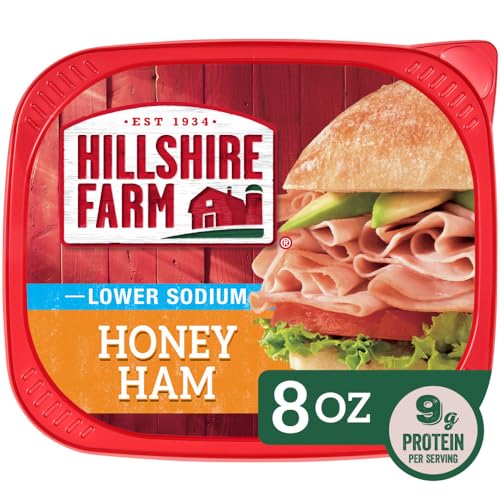 Hillshire Farm Ultra Thin Sliced Deli Lunch
- One 8 oz pack of Hillshire Farm Ultra…
- Hillshire Farm Ultra Thin Lower Sodium Honey Ham…
- Our farmhouse quality ham is slow roasted for…
 Goya Foods Ham Flavored Concentrate
- GOYA HAM CONCENTRATE | When your favorite recipe…
- SMOKEY HAM FLAVOR | Goya Ham Flavored Concentrate…
- VERSATILE | GOYA Ham Concentrate adds the right…
As an Amazon Associate we earn from qualifying purchases at no extra cost to you.
Quick comparison of the best low sodium ham options
| Ham type | Typical sodium per 3 oz | Common format | Flavor and texture | Preparation needed |
|---|---|---|---|---|
| No-salt-added fresh pork ham | About 60–100 mg | Raw roast, steaks, or chops | Mild pork flavor; juicy when carefully cooked | Full cooking; season it yourself |
| Reduced-sodium deli ham | About 300–500 mg | Thin sliced, ready to eat | Balanced, lightly cured, usually tender | None, unless reheating |
| Uncured deli ham | About 400–700 mg | Thin sliced or small packages | Traditional ham flavor; often moist | None |
| Reduced-sodium spiral or half ham | About 450–650 mg | Bone-in or boneless roast | More substantial flavor; sliceable centerpiece | Usually reheating; check package directions |
| Traditional cured ham | About 700–1,200+ mg | Deli slices, steaks, or whole roast | Salty, pronounced, sometimes smoky | May require soaking or rinsing, depending on style |
These are useful comparison ranges, not substitutes for the label on a particular package. Serving sizes vary, and some products list sodium for 2 ounces rather than 3 ounces. To compare products fairly, calculate the sodium for the amount you actually eat.
Best picks by shopping situation
Best for the lowest sodium: no-salt-added fresh pork ham
A fresh pork leg roast or fresh ham labeled “no salt added” gives you the most control. It has not been brined or cured, so its sodium is far below most deli hams. You can season it with black pepper, garlic, onion, paprika, rosemary, thyme, citrus zest, or a fruit-based glaze.
The trade-off is convenience. Fresh ham requires a food thermometer, oven time, and careful seasoning. It can also taste bland if it is cooked without aromatics or a flavorful sauce. Choose this format when sodium reduction matters more than speed and you are comfortable cooking an uncured roast.
Best for sandwiches: reduced-sodium deli ham
Reduced-sodium deli ham is the most practical everyday option. Look for a product that specifically says “reduced sodium” or “lower sodium,” then compare the milligrams per serving. Products marketed as lower sodium commonly fall around 300–500 mg per 3 ounces, although some are higher.
Boar’s Head 42% Lower Sodium Deluxe Ham is an example of the reduced-sodium deli style. Its label should be checked at the time of purchase because formulations and serving information can change. Pair a modest portion with unsalted bread, lettuce, tomato, cucumber, or no-salt-added cheese alternatives; condiments such as pickles, mustard, and processed cheese can quickly add more sodium than the ham.
Best for a family meal: reduced-sodium half ham
A reduced-sodium boneless or bone-in half ham works well when you want a centerpiece without choosing the saltiest traditional ham. It is usually precooked, so the main task is reheating it without drying it out. A covered roasting pan and a small amount of water or unsalted stock can help maintain moisture.
Check whether the ham is “fully cooked” or requires cooking before serving. Also inspect the ingredient list for water, salt, sodium phosphate, dextrose, smoke flavor, and curing agents. These ingredients are not automatically undesirable, but they explain differences in texture, flavor, and sodium.
Best for recipes: a low-sodium ham steak or small unsalted roast
For omelets, bean dishes, pasta, soups, and casseroles, a small ham steak is convenient, but it may be saltier than expected because steaks are often cured for a strong flavor. A small fresh pork roast or reduced-sodium sliced ham gives you more control.
If a recipe calls for ham as a seasoning ingredient, use less ham and add flavor with smoked paprika, sautéed onion, garlic, herbs, mushrooms, or a splash of vinegar. This preserves the smoky-savory character without making ham the main source of salt.
What “uncured” really means
“Uncured” ham is not necessarily low sodium. In the United States, this term commonly identifies products made without conventional synthetic nitrate or nitrite; they may still contain salt and naturally sourced ingredients such as cultured celery powder. The sodium amount can be similar to, or occasionally higher than, a traditionally cured ham.
Likewise, “natural,” “smoked,” “minimally processed,” and “no nitrates added except those naturally occurring in celery” do not answer the sodium question. Use the Nutrition Facts panel first and the ingredient list second.
How to compare labels accurately
- Match the serving size. If one label uses 2 ounces and another uses 3 ounces, multiply the smaller serving’s sodium by 1.5 for a fair comparison.
- Check the portion you will actually eat. A sandwich may contain 2 ounces, while a holiday plate may contain 4 ounces.
- Read the ingredient list. Added water can make a ham juicier but may also change the weight and texture. Salt, brine, and sodium phosphates are clues that the product has been heavily processed or injected.
- Account for the rest of the meal. Bread, cheese, broth, pickles, sauces, and boxed side dishes can outweigh the ham’s sodium contribution.
For example, suppose a deli ham has 360 mg of sodium per 2 ounces. A 3-ounce serving contains approximately 540 mg: 360 ÷ 2 × 3. A 4-ounce serving contains about 720 mg. This calculation can make a “lower sodium” product look very different when served in a large portion.
Flavor differences and preparation needs
Fresh ham has a mild, clean pork flavor and benefits from assertive unsalted seasonings. Reduced-sodium deli ham usually has a softer texture and a restrained cured flavor. Smoked ham has more aroma, so a smaller portion may feel satisfying, but smoke does not lower sodium. Bone-in hams can offer a richer presentation and useful leftovers, while boneless hams are easier to portion and store.
For a fresh ham, roast until it reaches the safe internal temperature specified for the cut and verify it with a thermometer in the thickest part. For a fully cooked ham, reheat gently according to the package instructions; overheating is the most common cause of dryness. Do not assume soaking will remove a predictable amount of sodium. Rinsing can alter surface salt, but it cannot reliably remove sodium throughout an injected or cured ham.
Decision matrix: which ham fits your kitchen?
| Your priority | Best choice | Why | Main compromise |
|---|---|---|---|
| Lowest sodium and lowest ingredient complexity | No-salt-added fresh ham | You control seasoning and portion size | Requires cooking and planning |
| Fast weekday sandwiches | Reduced-sodium deli ham | Ready to slice, portion, and serve | Still contains meaningful sodium |
| Holiday meal for several people | Reduced-sodium half ham | Convenient centerpiece with leftovers | Higher total sodium if portions are large |
| Strong flavor in a small amount | Smoked or traditionally cured ham used sparingly | Intense flavor can season a whole dish | Usually the highest sodium option |
| Few leftovers and minimal storage | Small sliced package or ham steak | Less waste and easier portion control | May cost more per pound |
Storage and ownership realities
Sliced deli ham dries out first at the edges and can develop a sticky surface if it is stored too long. Keep it tightly wrapped and refrigerated, follow the package’s use-by guidance, and freeze portions if you will not use them promptly. Cooked roast ham is easier to divide into meal-size portions before freezing.
Do not use a salty glaze to rescue bland low-sodium ham. Try unsalted fruit preserves, orange zest, vinegar, pepper, mustard powder, garlic, or fresh herbs instead. Also remember that adding ham to a low-sodium soup, casserole, or bean dish may eliminate the benefit if the recipe already contains regular broth, bouillon, canned beans with salt, or packaged sauce.
Bottom line
Choose no-salt-added fresh ham when you want the lowest sodium and can cook from scratch. Choose reduced-sodium deli ham for convenient sandwiches, and choose a reduced-sodium half ham for an easy shared meal. Whatever the format, compare sodium per the portion you actually serve, not just the marketing language on the front of the package. If you need to follow a medically prescribed sodium limit, use the label and discuss suitable portions and products with a qualified healthcare professional.









