
Key takeaways
- Frankincense & Myrrh: Warm, resinous, and slightly sweet. The most earthy and grounding option, best if you dislike floral or citrus scents. Tends to be subtle after drying.
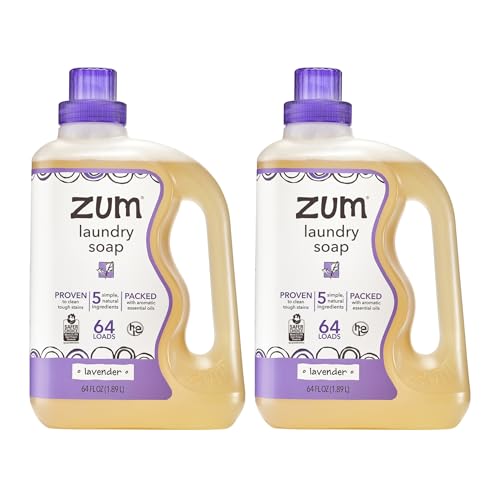
- Lavender: True herbal lavender, not powdery or synthetic. One of the best choices for bedding and towels if you want a calming scent that does not clash with other products.
- Sea Salt: Clean and mineral with hints of citrus and eucalyptus. The closest to a “fresh laundry” smell in the line without using synthetic freshener notes.
- Amber: Warm, slightly woody and sweet with a vanilla-like base. Stronger sillage than the other scents and the longest-lasting on dry clothes.
- Eucalyptus-Citrus: Bright, sharp, and uplifting. The eucalyptus is prominent, so it reads as clean and spa-like rather than sweet.
- Patchouli: Deep, musky, and herbal. For patchouli fans it is authentic; for others it can be overpowering in a small laundry room.
Zum Laundry Soap is worth buying if you prioritize strong natural fragrance and plant-based ingredients over maximum stain-fighting power, but it is not the best value if you need a fragrance-free or heavy-duty formula for hard water and tough stains.
Our top picks



As an Amazon Associate we earn from qualifying purchases at no extra cost to you.
What Makes Zum Laundry Soap Different
Zum is made by Indigo Wild, a brand known for essential oil-based personal care products. Unlike most conventional detergents that use synthetic fragrances and sulfates, Zum Laundry Soap is built around a simple, plant-based formula: saponified coconut oil, baking soda, vegetable glycerin, and essential oils. It is free from synthetic fragrances, dyes, parabens, and optical brighteners, and is Leaping Bunny certified cruelty-free.
The soap comes as a liquid concentrate, not a traditional detergent. That distinction matters for how it cleans, how much you use, and what kind of washer it works best in. It is designed for both standard and HE machines, but it produces a low, creamy lather rather than the high suds of conventional detergents.
Zum Scents Reviewed: What to Expect
Scent is the primary reason most people choose Zum, and it is also where the brand stands out from other natural laundry soaps. All fragrances come from pure essential oils, so they smell more like aromatherapy blends than laundry products. The scent is strong in the bottle and during the wash, then dries down to a lighter, natural aroma rather than a lingering perfume.
Most Popular Zum Scents
- Frankincense & Myrrh: Warm, resinous, and slightly sweet. The most earthy and grounding option, best if you dislike floral or citrus scents. Tends to be subtle after drying.
- Lavender: True herbal lavender, not powdery or synthetic. One of the best choices for bedding and towels if you want a calming scent that does not clash with other products.
- Sea Salt: Clean and mineral with hints of citrus and eucalyptus. The closest to a “fresh laundry” smell in the line without using synthetic freshener notes.
- Amber: Warm, slightly woody and sweet with a vanilla-like base. Stronger sillage than the other scents and the longest-lasting on dry clothes.
- Eucalyptus-Citrus: Bright, sharp, and uplifting. The eucalyptus is prominent, so it reads as clean and spa-like rather than sweet.
- Patchouli: Deep, musky, and herbal. For patchouli fans it is authentic; for others it can be overpowering in a small laundry room.
Because Zum uses only essential oils, the fragrance does not last as long as synthetic detergent fragrances. If you want clothes to smell strongly perfumed for days after washing, this will feel faint. If you are sensitive to synthetic fragrance, that lighter dry-down is the point. Zum also offers a Fragrance Free version that uses the same soap base with no essential oils.
Ingredients and Formula Breakdown
Zum Laundry Soap keeps its ingredient list intentionally short:
- Saponified 100% Coconut Oil: The primary cleanser. Coconut oil soap is effective at lifting light oils and dirt and is naturally low-sudsing, which makes it HE compatible.
- Sodium Bicarbonate (Baking Soda): Softens water slightly, helps deodorize, and boosts cleaning without harshness.
- Vegetable Glycerin: Acts as a solvent and helps keep the formula mixed and pourable; also softens fabric slightly.
- Essential Oils: Provide scent and some have mild antibacterial or deodorizing properties, though they are present at fragrance levels, not therapeutic levels.
What is not in the formula is equally important. There are no sulfates (SLS/SLES), no synthetic fragrances or dyes, no optical brighteners, no phosphates, and no isothiazolinone preservatives often found in “free & clear” detergents. For people avoiding these ingredients for skin sensitivity or environmental reasons, that simplicity is the core appeal.
General information only: Plant-based does not automatically mean hypoallergenic. Essential oils can still irritate very sensitive skin or trigger allergies. If you have a history of contact dermatitis or fragrance sensitivity, choose the Fragrance Free version and consider consulting a dermatologist before switching.
Cleaning Performance: Lather, Stain Removal, and Washer Compatibility
Zum cleans differently than enzyme-heavy detergents. As a true soap rather than a synthetic detergent, it works by lifting and emulsifying soils so they rinse away, rather than breaking down proteins and starches with enzymes.
Lather: Expect very little foam. In an HE front-loader, you will see almost no suds, which is correct and prevents residue. In a top-loader, you will see a thin, milky lather. Lack of bubbles does not mean lack of cleaning, but users who equate suds with power often under-dose or add too much.
Everyday Cleaning: For regular loads – t-shirts, sheets, towels, gym clothes, and light everyday soils – Zum performs well when dosed correctly and washed in warm or hot water. It deodorizes effectively, especially the baking soda base combined with citrus or eucalyptus scents.
Stain Removal: This is its limitation. On greasy food stains, collar rings, or set-in grass and blood, Zum alone is not as effective as formulas with enzymes and surfactants. It benefits from pre-treating stains with a stain stick or a small amount of the liquid soap rubbed directly into the fabric before washing. In hard water, soap can also react with minerals to leave a slight film on fabric over time if you consistently under-rinse or use cold water only.
Best Practices for Better Results: Use warm water when possible to help the coconut soap dissolve fully, do not overfill the drum, and add the soap directly to the drum or detergent dispenser before clothes. For HE machines, 1 ounce per regular load is typical; for heavily soiled loads, a second rinse helps prevent any soap residue.
How Much Does Zum Laundry Soap Cost to Use?
Zum is sold primarily in 32 fl oz and 64 fl oz bottles. The listed dosage is 1 oz per standard load, which means bottle size directly determines cost per load.
| Product | Bottle Size | Stated Loads per Bottle | Formula Type | General Market Price Range (2026) |
|---|---|---|---|---|
| Zum Laundry Soap | 32 fl oz / 946 ml | 32 loads | Saponified coconut oil soap + baking soda | $16 – $19 |
| Zum Laundry Soap | 64 fl oz / 1.89 L | 64 loads | Saponified coconut oil soap + baking soda | $28 – $34 |
| Molly’s Suds Original Laundry Powder | 120 loads (powder, 47 oz) | 120 loads | Plant-derived surfactants + washing soda | $22 – $28 |
| Seventh Generation Free & Clear Liquid | 66 fl oz | 66 loads | Plant-based surfactants + enzymes | $14 – $18 |
| Branch Basics Concentrate + Laundry Kit | 33.8 fl oz concentrate | 60+ loads (when diluted) | Plant-based surfactant concentrate | $49 – $59 for starter kit |
| Dr. Bronner’s Pure-Castile Liquid Soap (for laundry use) | 32 fl oz | ~32 loads (when diluted per instructions) | Saponified coconut, olive & hemp oils | $16 – $20 |
Cost Per Load Calculation
To find the true value, calculate cost per load rather than bottle price:
Formula: Bottle Price / Stated Loads = Cost Per Load
For example, a 64 fl oz bottle of Zum at a general price of $30 for 64 loads: $30 / 64 = $0.47 per load.
Compared to a typical natural liquid detergent at $16 for 66 loads: $16 / 66 = $0.24 per load.
Zum typically costs $0.44 to $0.53 per load, roughly double the per-load cost of larger-format natural detergents like Seventh Generation or Molly’s Suds powder. You are paying a premium for the essential oil blends and the small-batch soap base, not for bulk cleaning economy. If you wash 5 loads per week, Zum at $0.47 per load costs about $122 per year, versus about $62 per year for a $0.24 per load alternative – a difference of roughly $60 annually.
Zum vs. Natural Competitors: Which Should You Choose?
The right natural laundry soap depends on what you value most: scent, skin sensitivity, stain power, or price.
| Your Situation / Priority | Best Pick | Why |
|---|---|---|
| You want the strongest natural scent and aromatherapy experience | Zum Laundry Soap | Pure essential oil blends are more complex and noticeable than most natural detergents |
| You have very sensitive skin, eczema, or fragrance allergies | Seventh Generation Free & Clear or Molly’s Suds Fragrance Free | Formulated to be fragrance-free and tested for sensitive skin; Zum’s essential oils can still irritate |
| You need strong stain removal for kids, work clothes, or hard water | Seventh Generation or Branch Basics | Enzyme and surfactant systems break down proteins and oils better than true soap |
| You want the lowest cost per load in a natural formula | Molly’s Suds Powder | Powder format delivers the most loads per package at the lowest per-load cost |
| You want a multi-purpose soap you can also use for household cleaning | Dr. Bronner’s Castile Soap | More versatile dilution options for dishes, floors, and hand wash; Zum is laundry-specific |
| You use a front-load HE machine and want zero residue risk | Branch Basics or Seventh Generation | Synthetic surfactants rinse cleaner in cold, hard water than coconut soap bases |
Durability and Ownership Realities
Zum’s simple formula has practical trade-offs over months of use:
- Separation is normal: The coconut oil soap and essential oils can separate if the bottle sits for weeks. Shake well before each use. Storing at room temperature and not in a cold garage prevents thickening.
- What wears first: The flip-top cap and pour spout can clog with dried soap if you do not wipe it after pouring. Soap residue around the cap can also harden and make it difficult to measure accurately.
- Residue in hard water: Soap + hard water minerals can leave a waxy buildup on fabric and inside the machine over time. Running a monthly hot empty cycle with washing machine cleaner or white vinegar and using warm water for washes significantly reduces this.
- Do not overuse: Adding extra soap does not improve cleaning and increases residue risk. Measure 1 oz precisely. Using a tablespoon measure (2 tablespoons = 1 oz) is more accurate than free-pouring.
- Shelf life: Because there are no synthetic preservatives, use the bottle within about 12-18 months and keep the cap closed. Essential oil scent will fade gradually after opening, especially if stored in heat or sunlight.
Who Should and Should Not Buy Zum Laundry Soap
Zum is a strong fit if you wash mostly everyday laundry, prefer low-sudsing, plant-based formulas, and want your laundry to smell like real essential oils rather than synthetic fragrance. It is particularly appealing if you already use Zum or other essential oil-based products and want a matching scent profile.
Consider a different option if you routinely wash heavily stained items, have very hard water and primarily use cold washes, need a completely fragrance-free and essential oil-free formula for medical reasons, or want the lowest possible cost per load. In those cases, an enzyme-based plant-derived detergent will clean more consistently for less money.
Frequently Asked Questions
Is Zum Laundry Soap safe for HE washers?
Yes. It is formulated as low-sudsing and the label indicates HE compatibility. Use the recommended 1 oz dose. High suds are not needed for cleaning in HE machines and excess soap can leave residue.
Can you use Zum Laundry Soap in cold water?
You can, but warm water dissolves the coconut soap base more completely and helps prevent film, especially in hard water. If you must wash cold, ensure you do not overload the machine and consider an extra rinse cycle.
Does Zum Laundry Soap contain fabric softener?
No. It does not contain synthetic softeners or optical brighteners. Clothes come out clean but not artificially softened. Adding a half cup of white vinegar to the rinse cycle is a common natural method to soften and reduce soap residue.
How long does the scent last?
The essential oil scent is most noticeable when pouring and during the wash, then leaves a light, natural aroma after drying. It is not designed to be a long-lasting perfume and will fade within a day. The Amber and Patchouli scents tend to linger the longest.









