Key takeaways
- Wash synthetic gloves in cool water and air dry; heat degrades padding.
- Do not use thin gloves around spinning tools such as drills or grinders, where they can catch.
- Retire gloves when the palm thins, as the lost protection is easy to miss.
- Keep a second pair so one can dry fully between uses.
The best work gloves for most jobs are the Mechanix Wear Original for general repair and dexterity, and the Mechanix Wear M-Pact when you need knuckle and palm impact protection. Pick Ironclad for rough construction durability, Carhartt insulated gloves for cold and wet work, and micro-foam nitrile gloves such as the MaxiFlex Ultimate for fine tasks at a low cost per pair. The right pick depends on the hazard, so match the glove to the job.
Our top picks

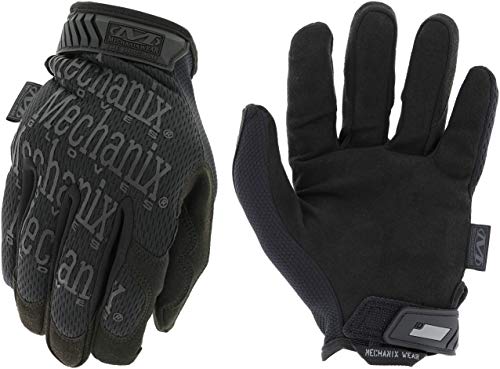


As an Amazon Associate we earn from qualifying purchases at no extra cost to you.
Quick Comparison of the Best Work Gloves
| Pick | Best for | Palm and back | Protection | Dexterity | Price range |
|---|---|---|---|---|---|
| Mechanix Wear Original | Best overall general use | Synthetic leather palm, stretch back | Abrasion, light impact | High | Budget to mid |
| Mechanix Wear M-Pact | Best impact protection | Padded palm with thermoplastic rubber (TPR) knuckles | Impact, vibration | Medium to high | Mid |
| Ironclad General Utility | Best durable all-around | Reinforced palm, ventilated back | Abrasion | Medium to high | Budget to mid |
| Carhartt waterproof insulated | Best for cold and wet | Insulated, waterproof insert | Cold, moisture | Medium | Mid |
| MaxiFlex Ultimate 34-874 | Best budget dexterity | Micro-foam nitrile palm on nylon | Light abrasion, oil grip | Very high | Budget |
Best Overall: Mechanix Wear Original
The Original is a snug synthetic-leather glove with a stretch back, designed for the repair bench and garage. Many roundups place it at the top because it balances grip, feel, and comfort. It is not a heavy-duty glove: do not use it for handling rough lumber, glass, or sharp metal edges all day, because the palm is thinner than a leather work glove.
Best for Impact Protection: Mechanix Wear M-Pact
The M-Pact adds TPR knuckle protection and D3O palm padding that reduces hand fatigue. It is often called the trade standard for mechanical work and tool use where you bang knuckles. The trade-off is extra bulk, so very fine tasks like threading small screws are more awkward.
Best Durable All-Around: Ironclad General Utility
Ironclad’s General Utility glove is a practical choice for yard work, construction, and hauling. Its reinforced palm resists wear, and the ventilated back helps with heat. It does not provide cut-resistance rated to a standard unless the label states it.
Best for Cold and Wet: Carhartt Waterproof Insulated Knit Cuff
For winter work, an insulated waterproof glove keeps you functional when it is cold and wet. Carhartt’s insulated gloves are popular for snow clearing and outdoor jobs. Insulation reduces feel, so pull them off for delicate work.
Best Budget Dexterity: MaxiFlex Ultimate 34-874
This thin nylon glove with a micro-foam nitrile palm is a favorite for assembly, painting prep, and handling oily parts. It is inexpensive enough to treat as a consumable. It will wear through faster than leather and offers little impact or cut protection.
How to Choose Work Gloves
Start with the hazard
Match the glove to what can hurt you: impact for hammering and mechanics, cuts for sheet metal and glass, abrasion for lumber and masonry, cold for winter, and chemicals for cleaning products. No single glove handles all of them.
| Job | Look for | Example |
|---|---|---|
| Auto repair | Impact padding, grip | Mechanix M-Pact |
| Yard work and lumber | Leather or reinforced palm | Ironclad General Utility |
| Winter outdoors | Insulation, waterproofing | Carhartt insulated |
| Assembly and painting | Thin coated palm | MaxiFlex Ultimate |
Size precisely
A glove that is too loose reduces grip and can snag on machinery; too tight causes fatigue. Measure around the knuckles of your dominant hand and consult the maker’s size chart.
Cost per pair of wear
A budget coated glove that wears out in a week and a pricier padded glove that lasts a season can cost about the same per day of use. Think about frequency: coated gloves are consumables, leather and padded gloves last longer.
Look for standards
If cuts matter, check for an ANSI/ISEA cut level on the label instead of marketing language. Manufacturer claims without a rating are not a guarantee.
Care and Common Mistakes
- Wash synthetic gloves in cool water and air dry; heat degrades padding.
- Do not use thin gloves around spinning tools such as drills or grinders, where they can catch.
- Retire gloves when the palm thins, as the lost protection is easy to miss.
- Keep a second pair so one can dry fully between uses.
Which Work Glove Fits Your Situation
| Your situation | Choose | Why |
|---|---|---|
| Weekend garage repairs | Mechanix Original or M-Pact | Feel plus grip |
| Hauling lumber and stone | Ironclad or leather | Abrasion resistance |
| Snow shoveling, winter jobs | Carhartt insulated waterproof | Warm and dry |
| Painting and assembly | MaxiFlex nitrile-coated | Fine feel, low cost |
What wears out first
On coated gloves it is the fingertips and thumb crotch. On synthetic leather it is the palm seams. On insulated gloves the waterproof liner can fail at the seams, so inspect for leaks if your hands stay wet.
Buy two kinds, not one
Many people do best with a thin dexterous pair for light work and a heavier pair for rough jobs. Keeping both means you do not wear thin gloves into situations they were not made for.
Frequently Asked Questions
What are the best work gloves for general use?
The Mechanix Wear Original is the most commonly recommended general glove because it balances grip and feel. For rougher work, step up to Ironclad or a leather glove. Match the glove to the task.
Are Mechanix gloves worth it?
For mechanics and DIY repair, yes. They offer good dexterity and grip, with the M-Pact adding impact protection. They are not designed for heavy construction or sharp materials.
Leather or synthetic work gloves, which is better?
Leather lasts longer and resists abrasion, while synthetic gloves are more flexible and easier to wash. Pick leather for rough outdoor work and synthetic for repair and assembly.
How should work gloves fit?
They should be snug with no extra material at the fingertips and allow a full fist. If the fingers bunch up, the glove is too large. If seams strain, size up.
What gloves should I use in cold weather?
Choose insulated, waterproof gloves such as Carhartt’s insulated styles. Layering a thin liner under a work glove can add warmth with less bulk. Keep spares so you can swap when wet.