
The best canopy tents for most buyers are a 10×10 ft steel or aluminum pop-up with a 150D+ polyester top and at least a 1500mm PU waterproof coating for backyard and beach use, and a 10×20 ft commercial-grade aluminum frame with interchangeable sidewalls for events, because footprint determines headcount, frame material determines wind resistance, and fabric rating determines whether you stay dry when weather shifts.
Our top picks
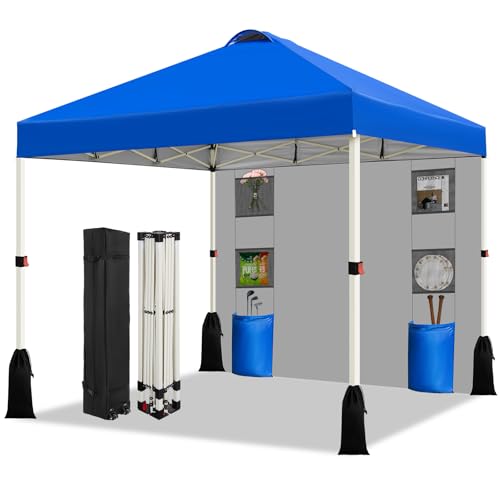
 Vinabilia 10x10 Pop Up Canopy Tent with
- One-Button Quick Setup - This pop up canopy…
- Spacious 10'x10' Shade Coverage - Offering 100 sq…
- UPF 50+ Water-Resistant Fabric - Made from durable…
 WEIZE 10x10 Pop Up Canopy Tent
- One-Button Push Setup: The 10x10 pop up canopy…
- Adjustable Design and Structural Stability: The pop up…
- Ventilation and UV Protection: The easy up canopy…
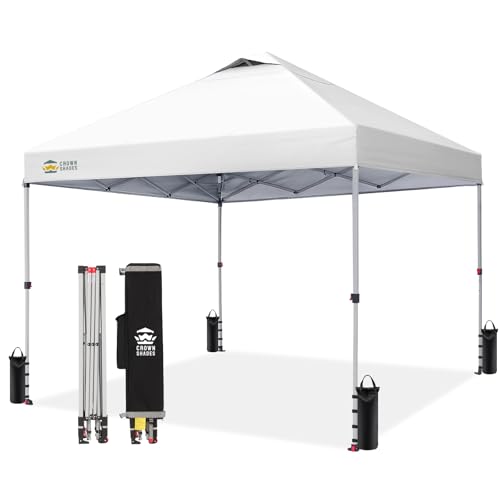 CROWN SHADES 10x10 Pop Up Canopy Tent
- Our 10x10 pop up canopy tent features patented…
- The new clip system easily attaches the canopy…
- STO’ N GO SYSTEM - Our lift-free system…
| Product | Key specs | |
|---|---|---|
| Vinabilia 10x10 Pop Up Canopy Tent with | One-Button Quick Setup - This pop up canopy… Spacious 10'x10' Shade Coverage - Offering 100 sq… UPF 50+ Water-Resistant Fabric - Made from durable… | Check price |
| WEIZE 10x10 Pop Up Canopy Tent | One-Button Push Setup: The 10x10 pop up canopy… Adjustable Design and Structural Stability: The pop up… Ventilation and UV Protection: The easy up canopy… | Check price |
| CROWN SHADES 10x10 Pop Up Canopy Tent | Our 10x10 pop up canopy tent features patented… The new clip system easily attaches the canopy… STO’ N GO SYSTEM - Our lift-free system… | Check price |
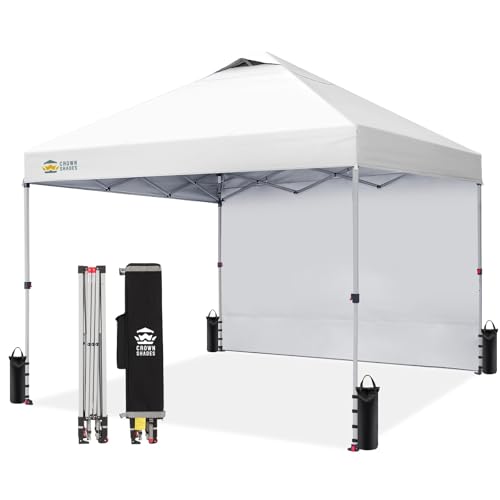 CROWN SHADES 10x10 Pop Up Canopy with | One-Button Easy Setup - Our 10x10 pop up… Fast Clip Canopy Fabric Sto-N-Go System | Check price |
As an Amazon Associate we earn from qualifying purchases at no extra cost to you.
How to Choose a Canopy Tent by Footprint, Frame, and Weather
Matching a tent to your actual use is more reliable than buying the largest or cheapest option. Four specs decide 90% of satisfaction: footprint, frame material, waterproof rating, and setup time.
1. Footprint and Headcount
Canopy size is not just about coverage, it is about usable shade and how many people can sit or stand without crowding. Manufacturers list peak coverage, but you lose 6-12 inches on each side to leg angle and guy lines.
- 10×10 ft (100 sq ft): Seats 4-6 around a table, or 8-10 standing. Fits on most patios, decks, and standard beach spots. Easiest to carry and anchor.
- 10×15 ft (150 sq ft): Seats 6-8 at tables, good for narrow yards or food service lines. Less common but balances coverage and portability.
- 10×20 ft (200 sq ft): Seats 10-16, covers two 6-ft banquet tables end-to-end with room to walk. The standard for craft fairs, sideline sports, and small weddings. Requires two people to move safely.
- 12×12 ft and 13×13 ft (144-169 sq ft): More headroom and stronger shade angle than 10×10, popular for tailgating and backyard lounges. Needs a larger vehicle for transport.
If you expect 12+ guests regularly, a single 10×20 is more stable and faster to secure than joining two 10x10s, which creates a leak seam in the middle.
2. Frame Material and Wind Exposure
Frame material dictates weight, rust resistance, and how much wind the tent can handle before flexing or bending.
- Powder-coated steel: Heaviest (45-65 lbs for a 10×10), most affordable, and very stiff in calm to moderate wind. Vulnerable to rust at joints and leg sliders if the coating chips. Best for backyard use where you can dry and store it indoors.
- Aluminum: Lighter (30-50 lbs for a 10×10), naturally rust-resistant, and better for beach and frequent transport. Higher-grade aluminum (such as hexagonal or reinforced truss legs) resists twisting better than thin square-tube aluminum.
- Reinforced commercial aluminum: Thicker gauge, cross-truss bracing, and reinforced joints. Weighs more than standard aluminum but is designed for weekly event use and higher wind loads.
No pop-up canopy is windproof. Most manufacturers rate standard pop-ups for sustained winds under 15-20 mph even when staked, and commercial frames for up to 25-35 mph when properly anchored with stakes and weight bags. In exposed locations like beaches or open fields, weight anchoring matters more than frame weight alone. Use at least 20-30 lbs per leg for a 10×10 and 30-40 lbs per leg for a 10×20, plus staking when on grass or sand.
3. Waterproof Rating and Fabric
Look beyond “water-resistant” labels. The useful number is the hydrostatic head (PU coating) and whether seams are taped.
- 300D-600D polyester with 1500mm-3000mm PU coating and taped seams: Handles light to steady rain without dripping. Water beads and runs off if the top is taut and angled.
- 150D-300D polyester with silver or white UV coating: Lighter and cooler, often rated UPF 50+. Water-resistant for drizzle but will mist through in prolonged rain if the coating is thin.
- Vinyl/PVC (common on commercial event tents): Fully waterproof and more abrasion-resistant, but heavier, hotter underneath, and needs more frame strength.
Polyester density (150D vs 500D) affects tear resistance more than waterproofing. A 500D top will survive branch rubs and repeated folding better than a 150D top, but both will leak if seams are not sealed and if water pools. Always set up with the peak fully extended to prevent ponding.
4. Setup Time and Portability
Setup time determines whether you will actually use the tent solo.
- Pop-up / instant canopy (scissor frame): 2-4 minutes with two people, 5-8 minutes solo for a 10×10. Frame and top stay connected. Folds to about 50-62 inches long.
- Pole canopy / beach shade: 10-15 minutes, requires threading poles. More wind-stable at the beach but slower and less convenient for backyard parties.
- Commercial 10×20 pop-up: 5-8 minutes with two people who know the sequence. Solo setup is not recommended due to weight and span.
Best Canopy Tents by Situation: Spec Comparison
These categories reflect widely available models in 2026. Focus on the specs that match your wind exposure and headcount rather than color or accessories.
| Type / Example Brand Line | Footprint | Frame Material | Weight (approx.) | Fabric / Waterproof Rating | Setup Time (2 people) | Best For |
|---|---|---|---|---|---|---|
| Budget Steel Pop-Up (e.g., ABCCANOPY Basic, E-Z UP Pyramid) | 10×10 ft | Powder-coated steel, square legs | 48-55 lbs | 150D polyester, silver coating, ~1500mm PU, taped seams | 3-4 min | Calm backyard, occasional use |
| Mid-Range Aluminum Pop-Up (e.g., E-Z UP Enterprise, Eurmax Standard) | 10×10 ft | Aluminum, hex legs, cross truss | 34-42 lbs | 300D-500D polyester, 2000mm+ PU, UPF 50+ | 3-5 min | Beach, frequent backyard use, light wind |
| Commercial Aluminum Pop-Up (e.g., Eurmax Premium, E-Z UP Eclipse) | 10×10 ft or 10×15 ft | Heavy-duty aluminum, reinforced joints | 55-68 lbs | 500D polyester or vinyl, 2000-3000mm PU | 4-6 min | Weekly events, moderate wind, long-term durability |
| Large Event Canopy (e.g., Eurmax 10×20, ABCCANOPY 10×20 Commercial) | 10×20 ft | Commercial aluminum, 6-leg truss | 85-110 lbs | 500D polyester, 2000-3000mm PU, optional sidewalls | 6-8 min | Markets, sports, 12+ guests |
| Lightweight Beach / Outdoor Shelter (e.g., Coleman Flatwoods, lightweight tailgate shelters) | 10×10 ft to 12×12 ft | Aluminum / fiberglass hybrid | 28-38 lbs | 150D polyester, UPF 50+, ~1000-1500mm PU | 5-10 min | Sand, parks, maximum portability |
Decision Matrix: Match Your Situation to the Right Tent
Use this to avoid overbuying or underbuilding for your site.
| Your Situation | Priority Specs | Recommended Choice | Why |
|---|---|---|---|
| Small patio or balcony, 4-6 people, calm neighborhood | Footprint 10×10, steel or light aluminum, 1500mm PU | Budget or mid-range 10×10 pop-up | Low cost, fits tight spaces, easy solo setup |
| Beach or open park, regular wind 10-20 mph, carry from car | Aluminum frame, 34-42 lbs, 2000mm PU, sand stakes + weight bags | Mid-range aluminum 10×10 | Rust-proof, lighter to haul, better gust flex |
| Backyard hosting 8-12 people, occasional rain | 10×12 or 10×15, 300D+ fabric, taped seams | Commercial 10×15 or large 12×12 | Covers dining set without crowding, sheds rain |
| Vendor, sports team, or family reunion for 15+ people | 10×20, 6-leg commercial aluminum, sidewalls, 40 lbs per leg anchoring | Large event 10×20 | Single-span coverage, no center leak, stable with proper anchoring |
| Frequent setup/teardown (weekly or more) | Reinforced aluminum, 500D top, replaceable parts | Commercial aluminum 10×10 | Joints and sliders wear first; commercial lines sell replacements |
How Much Shade Do You Really Get? A Quick Calculation
Use this before you buy to check fit and headcount.
Coverage vs. usable shade: A 10×10 canopy lists 100 sq ft, but usable shade at noon with the top at 9-10 ft height is about 80-90 sq ft after leg setback. That allows one 6-ft folding table (18 sq ft) plus 4 chairs with 3 ft of walkway around it. Two tables under a 10×10 will feel cramped for food service.
Headcount math: Allow 12-15 sq ft per seated person at tables, and 8-10 sq ft per standing person. For 12 seated guests you need at least 144-180 sq ft, which means a 10×20 (200 sq ft) leaves comfortable circulation, while a 10×15 (150 sq ft) will be tight.
Cost per use estimate: If a mid-range aluminum 10×10 costs in the general range of $180 to $350 and you use it 25 times over three summers, the cost per use is $7.20 to $14 before weights and sidewalls. A commercial 10×20 in the $400 to $700 range used 50 times for events is $8 to $14 per use. Cheaper steel models become more expensive per use if rust or torn fabric forces early replacement.
Durability and Ownership: What Wears First
Canopy tents do not fail all at once. The same three points wear first.
- Slider brackets and truss pins: Plastic sliders crack and pins bend if you force the frame or collapse it unevenly. Always extend each leg evenly one click at a time and pull the slider until it locks without hammering it.
- Fabric coating at folds: Repeated creasing breaks down PU and silver coatings. Let the top dry completely before storing, fold loosely rather than compressing, and store off concrete floors where moisture collects.
- Leg bottoms and feet: Dragging the frame bends lower legs. Lift, do not drag, and replace foot pads when they wear thin to prevent rust wicking up the leg.
Common mistakes that shorten life: leaving a water-resistant (not waterproof) top up overnight in rain, which pools and stretches seams; using bleach to clean mildew, which strips PU coating; and anchoring only with stakes in soft sand or hard-packed soil where they pull out. Use weight bags or plate weights on hard surfaces and auger-style sand stakes on beaches.
Cleaning is simple: brush off sand and leaves, wash with lukewarm water and mild soap with a soft brush, rinse thoroughly, and air dry fully. Store the frame with the top attached if the bag allows it, which reduces fold wear, and keep the bag zipped to prevent UV degradation in the garage.
Setup Sequence That Prevents Damage
Most frame damage happens during rushed setup. This order reduces stress on joints.
- Unzip the bag and extend the frame halfway with the top already attached. Do not pull the top taut yet.
- Lock the cross-truss in the center first, then walk the frame out evenly until the sliders are near-locked.
- Raise legs to the lowest height, lock sliders, then raise legs to desired height one hole at a time around the tent.
- Stake or weight all four legs before adding sidewalls, and angle guy lines at 45 degrees outward when wind is expected.
- To take down, lower legs fully, release sliders together, and collapse the frame without stepping on the truss bars.
Frequently Asked Questions
Do I need a waterproof canopy for occasional backyard shade?
If you only need sun shade and will take the tent down if rain starts, a 1500mm PU top with taped seams is enough. If you want to keep hosting through steady rain, choose 2000mm or higher and check that all seams, including the peak, are taped.
Can one person set up a 10×10 canopy?
Yes for most steel and aluminum 10×10 pop-ups, but it takes longer and risks bending the truss if you pull one side too far. A 10×20 or any commercial 10×15 should be set up by two people for safety.
What anchors work best for wind versus grass versus beach sand?
On grass, combine straight stakes through foot plates with 20-30 lbs per leg. On concrete or decking where stakes are impossible, use 30-40 lbs per leg in weight bags or plate weights strapped low on the leg. On sand, use wide auger or screw stakes plus weights, because straight stakes pull out easily.
Is a heavier tent always more wind-resistant?
Not always. Weight helps anchoring, but frame geometry matters more. A well-braced aluminum truss can flex and return, while a thin steel frame can bend permanently. Proper anchoring and lowering leg height in wind does more than buying the heaviest frame.









