Key takeaways
- Refuel outdoors with the engine off and cool, away from flames, and store fuel in an approved container.
- Never operate with the vacuum tube removed or guards missing unless the manual describes it.
- Wear eye, ear and respiratory protection.
- Do not vacuum anything wet, hot, or flammable such as embers or cigarette butts.
- Clean the air filter regularly and replace the spark plug on the schedule in the manual.
- Run the engine dry or add stabilizer before long storage, as the maker instructs.
For most homeowners with a half-acre or larger yard and heavy leaf fall, a gas handheld or backpack blower-vac from a known outdoor-power brand such as Husqvarna, Echo, Stihl or Toro is the right tool; for small lots and quiet neighborhoods, a battery model is often easier to live with. Gas leaf vacuums earn their place when you need sustained power without a charging schedule, but they bring noise, fuel handling and engine maintenance that buyers should weigh honestly.
Our top picks



As an Amazon Associate we earn from qualifying purchases at no extra cost to you.
At a Glance
| Type | Typical makers | Best for | Main limits |
|---|---|---|---|
| Handheld gas blower-vac | Toro, Troy-Bilt, Poulan Pro, Echo | Small to mid yards, patios, quick cleanups | Arm fatigue, noise, mixed-fuel upkeep |
| Backpack gas blower with vac kit | Echo, Husqvarna, Stihl, Redmax | Large lots, long sessions | Heavier, higher tier, vac attachment sold separately on some models |
| Walk-behind or towed leaf vacuum | Troy-Bilt, Billy Goat, DR Power | Acreage, thick leaf layers, lawn care pros | Large, expensive, needs storage space |
| Battery blower-vac (alternative) | Ego, Stihl, Greenworks, Milwaukee | Small yards, noise-restricted areas | Run time and battery cost |
Model lineups change often, and makers publish airflow in CFM and air speed in MPH using their own test methods. Compare those figures within one brand rather than across brands, and read the maker’s current specification sheet for the exact model you are considering.
How Gas Leaf Vacuums Work
A blower-vac is a two-stroke or four-stroke engine that spins an impeller. In blower mode air exits the tube; in vacuum mode a lid or tube swap reverses the airflow so leaves are sucked in, shredded by the impeller, and sent to a bag. Shred ratios are stated by makers as figures such as 10:1 or 16:1, meaning the volume reduction. A higher ratio means fewer bag changes.
What to Look For
Engine type and fuel
Two-stroke engines run on a premixed fuel and oil blend and are lighter. Four-stroke engines, which Echo and some others offer for blowers, use straight gasoline and are often marketed as cleaner and quieter. Follow the manual’s fuel ratio exactly, and use fresh fuel; stale fuel is a leading cause of hard starting. Many owners use ethanol-free fuel or a stabilizer, if the maker permits it.
Airflow and speed
CFM describes volume of air, and MPH describes speed at the nozzle. Wet leaves need speed to lift them; large dry piles need volume to move them. Handheld units from major makers are generally rated in the high-hundreds range for CFM, while backpack machines are rated noticeably higher, according to the makers.
Shredding and bag capacity
Look at the stated reduction ratio and the bag size. A large bag cuts down on stops but is heavier to carry when full. Metal impellers handle sticks and acorns better than plastic ones, though any impeller can be damaged by stones, so clear debris first.
Weight and ergonomics
A handheld vac with a full bag becomes tiring quickly. A padded harness, a shoulder strap and a balanced bag position make long sessions more manageable. Backpack blowers move the weight to your hips, which is why professionals favor them.
Noise
Gas blowers are loud. Many towns restrict hours or even seasons for gas-powered leaf equipment, and some have banned them. Check local rules before you buy, and wear hearing protection, eye protection and a dust mask during use.
Product Types and Example Models
Handheld options
The Toro and Troy-Bilt lines have long offered handheld gas blower-vacs aimed at typical suburban yards, positioned at budget to mid-range tiers. Echo’s handheld blowers are popular with owners who want a step up in durability, and the maker lists extended warranties on many of its products. These are most sensible for lots up to a modest size.
Backpack options
Echo, Husqvarna, Stihl and Redmax all sell backpack blowers that stay at the premium end of residential equipment. Some can be used with vacuum kits, but check whether your exact model supports one, as not all do. Reviewers frequently praise the comfort and power of backpack models, with the trade-off of higher cost and weight.
Walk-behind and tow-behind
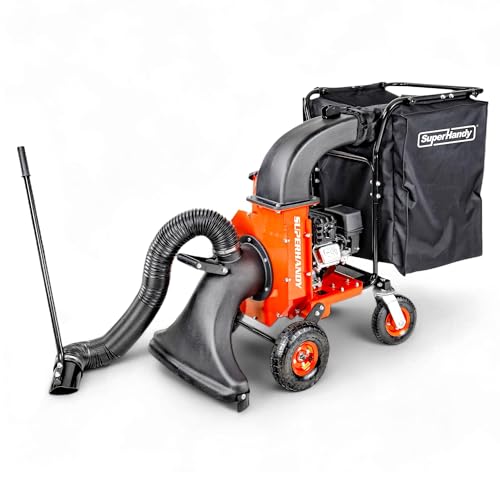
For acreage with many trees, a wheeled leaf vacuum from Billy Goat or DR Power, or a lawn-tractor tow-behind model from Troy-Bilt or Agri-Fab, can move debris quickly into a large hopper. They need storage space and are overkill for small lots.
Budget Tiers
| Tier | What you get | Trade-off |
|---|---|---|
| Budget | Basic handheld two-stroke, shorter warranty | More vibration, lower durability |
| Mid-range | Better handheld or entry backpack, stronger impeller | More weight, still loud |
| Premium | Professional backpack or walk-behind, long service life | Highest purchase tier, more storage space |
Safety and Care
- Refuel outdoors with the engine off and cool, away from flames, and store fuel in an approved container.
- Never operate with the vacuum tube removed or guards missing unless the manual describes it.
- Wear eye, ear and respiratory protection.
- Do not vacuum anything wet, hot, or flammable such as embers or cigarette butts.
- Clean the air filter regularly and replace the spark plug on the schedule in the manual.
- Run the engine dry or add stabilizer before long storage, as the maker instructs.
Pick One If… Decision Table
| Your situation | Best fit |
|---|---|
| Quarter-acre lot, a few trees | Handheld gas or battery blower-vac |
| Half-acre or more, long sessions | Backpack blower with vacuum kit if supported |
| Several acres, deep leaf layers | Walk-behind or tow-behind vacuum |
| Noise rules or neighbors close by | Battery blower-vac |
| You dislike engine upkeep | Battery or corded |
Alternatives
- Battery blower-vacs: quieter and simpler to start, with run time limits.
- Corded electric models: light and low-maintenance, but tethered to an outlet.
- Mulching with a lawn mower: for thin leaf layers, a mulching mower can break leaves into the lawn without collection.
- Leaf blower plus tarp: low-cost for small yards.
Seasonal Workflow and Maintenance
Leaf season is short and intense, so preparation matters. Before the first heavy fall, start the engine with fresh fuel, inspect the air filter, check the spark plug and confirm the vacuum tube, bag zipper and harness are intact. A machine that sat all summer with old fuel in the carburetor is the most common reason owners struggle in October. Many makers advise draining the tank or adding a stabilizer before storage so that the carburetor stays clean.
When working, start from the edges of the yard and move toward a collection point. Blow leaves out of beds and corners into the open lawn, then vacuum them in long passes. Dry leaves shred more efficiently; if rain has soaked them, waiting a day often saves time. Empty the bag before it becomes so full that airflow drops, because a packed bag reduces suction and puts more load on the engine. Sticks, stones and acorns can damage the impeller, so walk the yard first and remove obvious debris.
What to do with the shredded leaves
Shredded leaves make useful mulch for garden beds and compost. Because the volume is reduced, they break down faster than whole leaves. Avoid piling thick layers against tree trunks or house walls. Check your local yard-waste rules if you plan to bag them for collection.
Wear and replacement parts
Impellers, bags, fuel lines and pull cords are common wear items. Buy parts from the maker or an authorized dealer, and look at warranty terms, which differ widely between consumer and professional lines. Dealer support in your area can matter as much as the machine itself when something goes wrong in peak season.
Frequently Asked Questions
Are gas leaf vacuums better than battery ones?
Gas models offer unlimited run time with refueling and are usually favored for large properties. Battery models are quieter, easier to start and need less maintenance, and top-tier battery systems have narrowed the gap for mid-size yards. Your yard size and local noise rules usually decide it.
What does the shred ratio mean?
It is the volume reduction the maker claims when leaves pass through the impeller, such as 10:1. A higher ratio means more leaves fit in the bag. Actual results depend on leaf type and moisture.
Can I use any blower as a vacuum?
No. Only models sold as blower-vacs or with a maker-approved vacuum kit should be converted. Using a blower not designed for it can be unsafe and may void the warranty.
What fuel should I use?
Use the fuel and mix ratio stated in your manual. Two-stroke engines need the specified oil ratio, and four-stroke engines use plain gasoline. Fresh fuel and the right mix matter more than brand.
Can gas vacuums handle wet leaves?
They can move damp leaves, but wet leaves clog the impeller and bag. Many makers advise against vacuuming very wet material. Let leaves dry where you can.
How do I find out whether gas blowers are restricted in my town?
Contact your local municipality or check its published ordinances. Many have limits on hours, decibel levels, or gas-powered equipment during certain seasons.