
Our Top Picks
The best LED face masks balance three things you can actually check on a listing: the light types they name, the coverage and comfort they promise, and the safety information that comes with them. This guide compares ten at-home masks, ranging from very inexpensive seven-color models to premium devices that carry FDA-cleared wording. We cannot say which one will work best for your skin, and nobody on the team wore any of them. What we can do is sort the claims, flag the vague ones and explain what to confirm before you spend money.
Keep in mind that this is a shopping guide and not medical advice. If you have a skin condition, take medication that affects light sensitivity, or are unsure whether light therapy is right for you, speak with a dermatologist or another qualified professional first.
Top picks at a glance

Ownature LED Face Mask with Near-Infrared, Red & Blue Light - Professional-Grade Skin Rejuvenation Device for Fine Lines, Uneven Skin Tone & Dullness


As an Amazon Associate we earn from qualifying purchases. Product prices and availability are accurate as of the date/time indicated.

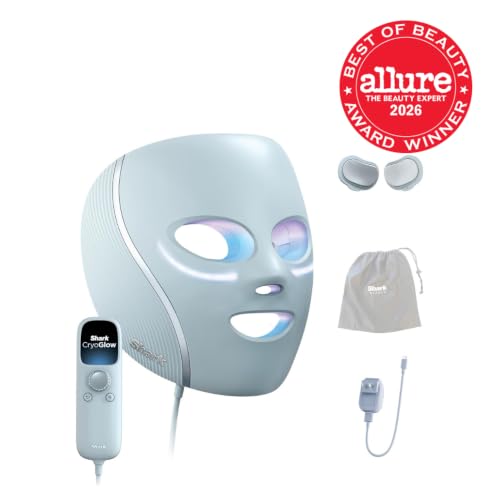
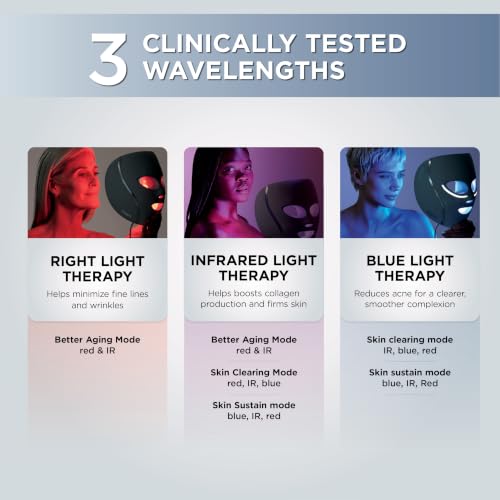
Shark CryoGlow LED Face Mask, Red Light Therapy, Under-Eye Cooling, FW312 | Red, Blue & Deep Infrared Light, Skincare Device for Fine Lines & Acne, Clinically Tested & FDA-Cleared, 4 Modes, Blue Frost



As an Amazon Associate we earn from qualifying purchases. Product prices and availability are accurate as of the date/time indicated.

iRestore Red Light Therapy for Face, LED Face Mask for Wrinkles, 360 LEDs | Advanced Anti-Aging LED Light Therapy for Fine Lines, Wrinkles, Dark Spots & Uneven Skin Tone, Cordless


As an Amazon Associate we earn from qualifying purchases. Product prices and availability are accurate as of the date/time indicated.
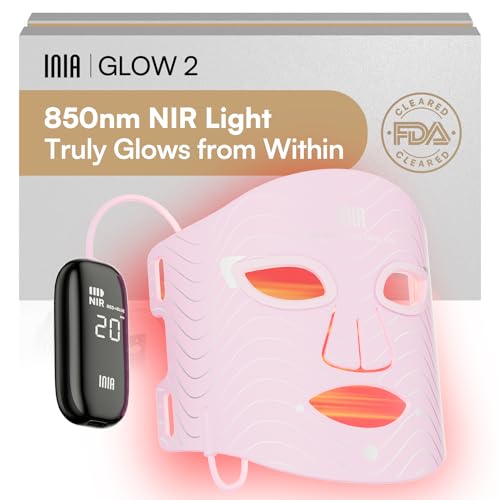
INIA Red Light Therapy Mask for Face, 850nm NIR, Red/Blue LED Light 4 Modes | Visible Results in Just 4 Weeks, 220 LEDs, 105mW/cm² Output, 2600mAh Rechargeable Battery, 10-30min Timer, Auto Shut-off


As an Amazon Associate we earn from qualifying purchases. Product prices and availability are accurate as of the date/time indicated.
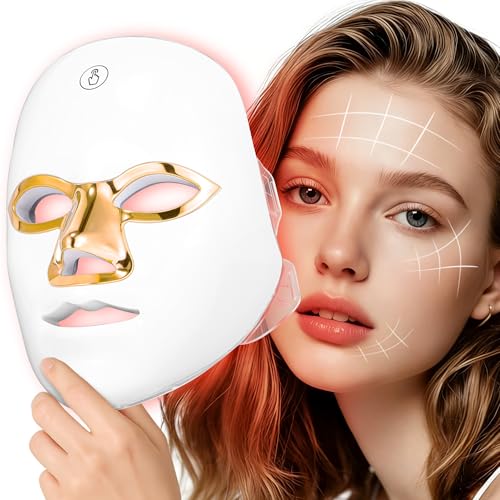
Red Light Therapy for Face, 7 Colors LED Face Mask Rechargeable


As an Amazon Associate we earn from qualifying purchases. Product prices and availability are accurate as of the date/time indicated.

SHMHE LED Face Mask – Cordless Facial Light Mask with 7 Custom Light Modes, Rechargeable Red Light Mask for All-Round Coverage, One-Button Control for Easy At-Home & On-the-Go Skincare


As an Amazon Associate we earn from qualifying purchases. Product prices and availability are accurate as of the date/time indicated.

Led Red Light Therapy Mask for Face | 7-1 Colors, Led Face Mask Light Therapy, Full Face Coverage, Rechargeable, Skincare Gift for Women Wife Mom


As an Amazon Associate we earn from qualifying purchases. Product prices and availability are accurate as of the date/time indicated.

VexlthA Red Light Therapy for Face, 7 Colors LED Face Mask Rechargeable


As an Amazon Associate we earn from qualifying purchases. Product prices and availability are accurate as of the date/time indicated.

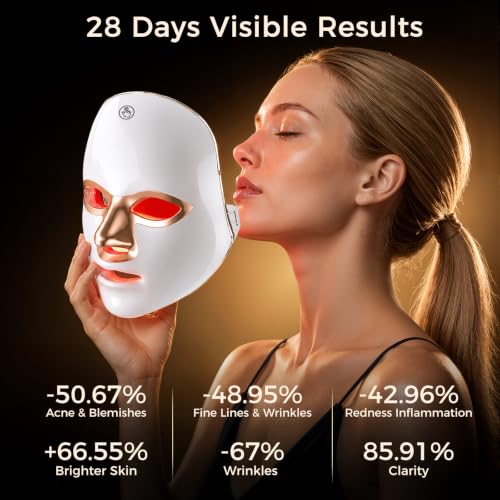
Red Light Therapy Mask for Face & Neck, Full Face Coverage,7 Modes | 630nm Red & 850nm Near Infrared Light Therapy,Portable Cordless LED Face Mask for Wrinkles and Acne, Home & Travel Use


As an Amazon Associate we earn from qualifying purchases. Product prices and availability are accurate as of the date/time indicated.
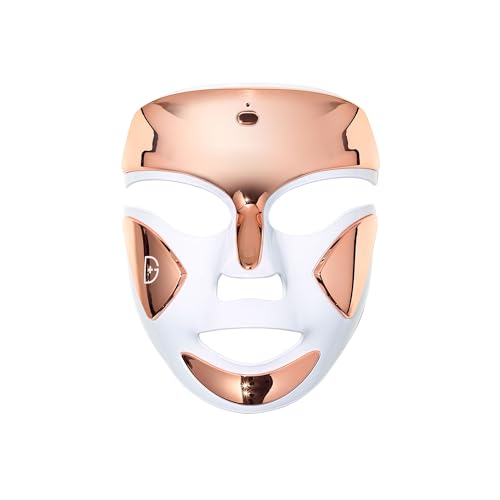
Dr Dennis Gross DRx SpectraLite FaceWare Pro 3-Minute LED Device | Red & Blue Light Mask for Acne, Breakouts, Fine Lines, Wrinkles - FDA Cleared


As an Amazon Associate we earn from qualifying purchases. Product prices and availability are accurate as of the date/time indicated.
| Model | Key point from title | Price tier | Best for |
|---|---|---|---|
| Ownature | Near-infrared, red and blue light; fine lines and tone | Mid-range | Three-light shoppers wanting a middle price |
| Shark CryoGlow FW312 | Under-eye cooling, 4 modes, FDA-cleared wording | Premium | Buyers who want a cooling feature |
| iRestore | 360 LEDs, cordless, anti-aging focus | Premium | Brand-focused shoppers |
| INIA | 850nm NIR, 220 LEDs, stated output, timer | Budget | Spec-driven buyers on a limit |
| zorendi 7-color | Seven colors, rechargeable | Budget | Trying light masks cheaply |
| SHMHE | Seven modes, one-button control | Budget | Simplicity and low cost |
| Nameiec 7-in-1 | Full face coverage, gift positioning | Budget | Gift shoppers who will check the details |
| VexlthA 7-color | Same wording as the zorendi listing | Budget | Comparison against zorendi |
| Miksyax | Face and neck, 630nm red plus 850nm NIR, 7 modes | Mid-range | Travel use and neck coverage |
| Dr Dennis Gross SpectraLite FaceWare Pro | 3-minute sessions, red and blue, FDA-cleared wording | Premium | Short routines and acne-focused use |
Where the category is heading
A few patterns show up across LED mask listings, though they are general observations and not precise claims. Near-infrared has joined red and blue as a standard talking point, so many titles now advertise a wavelength pair instead of a single color. Cordless, rechargeable designs have become the norm, because a mask tethered to a wall socket is awkward to wear while lying down.
Another trend is the proliferation of multi-color models with seven or more modes. These often use color names as a selling point, but the title seldom explains what each color is supposed to do, and the more colors a mask offers, the more you should ask what is behind them. In contrast, a handful of premium devices emphasize short sessions, cooling or clearance language, and they usually come with more detailed instructions.
Regulation and marketing are also worth watching. Phrases such as clinically proven or FDA-cleared appear in some titles, and shoppers increasingly check the underlying documentation rather than trusting the headline. Finally, results language such as visible results in four weeks is common marketing but varies between individuals, so treat timelines as promotional rather than guaranteed.
Mask types, terminology and safe use
Rigid shells versus flexible wraps
Full-face masks tend to come in two builds. Rigid shells hold the LEDs at a set distance and often cover the whole face, but they can feel bulky and may not fit every face shape. Flexible silicone or fabric wraps conform better and travel more easily, though the LEDs can sit at uneven distances if the mask shifts. Titles seldom state the build, so look at the photos and the strap design before deciding.
LED masks and red light therapy: is there a difference?
The terms overlap. LED mask is a description of the hardware, and red light therapy describes the type of light a mask emits. Plenty of products use both phrases for marketing, and some add near-infrared or blue light to the mix. When two listings use different wording, compare the wavelengths and instructions rather than the name.
How a typical session works
Instructions generally ask you to start with clean, dry skin, position the mask, protect your eyes as directed and run a session for the timer length set by the manufacturer. Afterwards you carry on with your normal routine. Because devices differ, the manual should always override general advice, including anything written here.
Benefits, risks and honest expectations
Sellers talk about fine lines, tone, dullness and breakouts, and the strength of the evidence behind those claims differs by device and by person. Possible downsides include irritation, discomfort, eye strain from improper use and wasted money on a device that does not suit you. If you notice anything unusual, stop and speak with a professional. Modest expectations and patience are the sensible approach.
How we picked these
We compared the ten listings using only their titles, stated specifications and general knowledge of how at-home light devices are described. We looked at light types, wavelengths, LED counts, output claims, timers, battery information, coverage and safety wording, and we noted where a title was vague or nearly identical to another. Nobody on the team used or measured these units. Prices appear only as relative tiers, health-related statements are the sellers’ claims, and anything not stated is marked as something to check on the listing.
The ten masks, one at a time
Ownature LED Face Mask with Near-Infrared, Red and Blue Light
Ownature pairs near-infrared, red and blue light in a single mask and describes itself as a professional-grade skin rejuvenation device for fine lines, uneven skin tone and dullness. That is the broadest light combination in the mid-price band of this group, and the wording is aimed at general maintenance more than at a single concern.
It suits someone who wants three light types without paying premium-tier money. Because the title says nothing about wavelengths, LED count, timer or battery, the full listing needs careful reading before you decide.
- Pro: three named light types in one mask.
- Pro: mid-range tier sits below the big-name devices.
- Con: no wavelengths, output or session length in the title.
- Con: professional-grade is a marketing phrase that the title does not substantiate.
Check the wavelengths, strap and fit, eye protection, timer and warranty. Ask: what exactly makes this professional-grade, and where is it documented?
Shark CryoGlow LED Face Mask (FW312)
The CryoGlow is distinctive because of its under-eye cooling feature, alongside red, blue and deep infrared light and four modes, in a Blue Frost finish. The title also says the device is clinically backed and FDA-cleared, which is a seller claim you should verify instead of assuming.
It is the buyer’s choice if cooling around the eyes appeals and a recognized household brand matters. It is also one of the pricier options, so the question is whether the extras justify the premium tier for your routine.
- Pro: cooling feature and four named modes.
- Pro: red, blue and deep infrared in one device.
- Con: premium tier makes it a bigger commitment.
- Con: clearance wording applies to specific uses, not to every skin concern.
Check the cleared indication, session length, cooling power source, eye protection and warranty. One question: which claims in the title match the documented intended use?
iRestore Red Light Therapy for Face
iRestore describes a cordless mask with 360 LEDs aimed at fine lines, wrinkles, dark spots and uneven tone. The LED count is the headline number, and it sits in the premium tier with the other big names.
A high LED count sounds impressive, but it does not by itself reveal output, wavelength or coverage quality. Treat it as a reason to read the details rather than as evidence of performance. This listing suits someone who values a well-known brand name and is prepared to follow a regular routine.
- Pro: cordless design with a high stated LED count.
- Pro: broad list of target concerns.
- Con: title names red light only, with no mention of near-infrared or blue.
- Con: premium price with no output figure in the title.
Check the wavelength, timer, battery life, strap comfort and return policy. Ask: how many sessions per week does the maker recommend, and for how long?
INIA Red Light Therapy Mask, 850nm NIR
INIA offers the most technical title in the group: 850nm near-infrared plus red and blue LEDs, four modes, 220 LEDs, a 105 mW/cm2 output figure, a 2600mAh rechargeable battery, a 10-to-30-minute timer and auto shut-off. It also promises visible results in four weeks, which is a promotional claim and not a guarantee.
For shoppers who prefer numbers over adjectives, this is the easiest listing to evaluate, and it sits at the lower end of the price range. The important question is how and where the 105 mW/cm2 figure was determined, because output depends on distance and conditions.
- Pro: unusually specific, with output, battery and timer all stated.
- Pro: auto shut-off and a timer range.
- Con: results claim reads as marketing.
- Con: the measurement conditions for output are not given.
Check how far the figure applies from the skin, the eye protection supplied and the charger type. Ask: does the manual give clear usage times that match the timer?
zorendi Red Light Therapy for Face, 7 Colors
This listing is brief: red light therapy, seven colors and a rechargeable build. It is among the lowest-cost masks here, and its title shares nearly every word with the VexlthA listing, which suggests a common design sold under different names.
The appeal is a low-stakes way to try a light mask. The drawback is that the title says nothing about wavelengths, LED count, output or safety features, so any buying decision depends on the detailed page. Seven colors can be a sales hook, and it is unclear from the title what the extra colors are meant to do.
- Pro: very low price tier.
- Pro: rechargeable design.
- Con: no technical specifications in the title.
- Con: near-identical to another listing in this set.
Check wavelengths, which colors are included, eye protection and the return window. Ask: if two sellers use the same wording, which one provides documentation?
SHMHE Cordless LED Face Mask, 7 Light Modes
SHMHE is the least expensive entry. It names seven custom light modes, rechargeable red light, all-round coverage and one-button control for at-home and travel use. The one-button operation is the practical selling point: fewer settings can mean a simpler routine.
The risk is the same as with other seven-mode masks, because the title does not say which wavelengths are included or how strong the LEDs are. Use it as a low-cost experiment only if the listing provides usage instructions and eye guidance.
- Pro: lowest price tier of the ten.
- Pro: one-button control and cordless design.
- Con: no wavelength or output information in the title.
- Con: seven modes without explanation may be confusing.
Check battery life, timer behavior, mask fit and whether goggles or eye protection come with it. Ask: what does each of the seven modes actually do?
Nameiec Red Light Therapy Mask, 7-in-1 Colors
Nameiec markets a full-face, rechargeable mask with seven color options and positions it as a gift for women, wives and moms. The gift framing is a signal of how it is sold, not a statement about performance.
Full-face coverage is the most concrete claim in the title. As with the other multi-color masks, expect to rely on the detail page for wavelengths, timer and safety. It could suit someone shopping for a present who is willing to confirm that the recipient is comfortable with a light device.
- Pro: full-face coverage stated.
- Pro: rechargeable.
- Con: no technical figures in the title.
- Con: gift-oriented wording says little about substance.
Check wavelengths, session length, eye protection and return terms, which matter for gifts. A good question: would the recipient know how to use it safely from the included instructions?
VexlthA Red Light Therapy for Face, 7 Colors
The VexlthA title mirrors the zorendi listing almost word for word: red light therapy, seven colors, a rechargeable LED mask. Different brand names with identical wording suggest a shared product design, though the title alone cannot confirm that.
It belongs in the same low-cost, low-information bracket. The sensible approach is to compare the two pages side by side and prefer whichever supplies clearer documentation, a better warranty and a longer return window, since the stated features are the same.
- Pro: low price tier and rechargeable build.
- Pro: easy to compare directly with its look-alike.
- Con: no specifications beyond color count.
- Con: duplicated wording offers no way to tell the two apart.
Check if the seller provides wavelengths, a manual and a contact route. The question: if both listings are the same device, which seller is more transparent?
Miksyax Red Light Therapy Mask for Face and Neck
Miksyax stands out for covering the neck as well as the face, and its title names 630nm red and 850nm near-infrared light, seven modes, a portable cordless design and use at home or while traveling. That mix of named wavelengths and a practical coverage claim is more informative than most mid-priced titles.
It suits someone who wants the neck included and values a wavelength statement. As always, neck coverage depends on fit, so check whether the design stays in place when you are lying down.
- Pro: named wavelengths for red and near-infrared.
- Pro: portable, cordless, with neck coverage.
- Con: no LED count, output or timer in the title.
- Con: blue light is not mentioned.
Check output, session length, strap design and the extent of neck coverage. Ask: does the neck section have separate settings?
Dr Dennis Gross DRx SpectraLite FaceWare Pro
This is the most expensive listing and the only one built around three-minute sessions. It names red and blue light, targets acne, breakouts, fine lines and wrinkles, and carries FDA-cleared wording.
The short session length is the main practical difference: a three-minute routine is easy to maintain, which may matter more than raw specifications. As with other cleared devices, review the specific indication rather than assuming it covers every concern. It suits people who prefer a brief, structured routine and are comfortable paying for it.
- Pro: short, defined session length.
- Pro: clearance wording and a known skincare brand.
- Con: highest price tier in the set.
- Con: no near-infrared mentioned.
Check the cleared indication, power source, eye protection and return policy. The question: do the documented uses match what I want to address?
Buying guide: what to look for in an LED face mask
Light types and wavelengths
Masks usually combine red, near-infrared and blue light, and listings may also add other colors. Prefer titles that give wavelengths, since 630nm red and 850nm near-infrared are specific, while a phrase like seven colors tells you little. A mask with more colors is not necessarily better, and a simple device that does what it says can be a sensible choice.
Output, LED count and timer
LED count, output density and timer length work together. A high count with low output differs from a lower count with high output, and neither tells you the full story without knowing distance from the skin. A stated timer with automatic shut-off is a practical safeguard, because it helps you avoid running a session longer than intended.
Clearance and claims
FDA-cleared language, if present, applies to a defined device and indication. Look it up instead of treating it as a quality badge. Treat before-and-after promises and visible-results timelines as marketing, and read the manufacturer’s stated intended use and contraindications.
Fit, comfort and eye safety
A mask must sit close enough to the skin to deliver light, yet comfortable enough to wear for the full session. Check the strap style, weight and whether the eyes are covered or protected. Follow the manufacturer’s instructions on eye protection, and do not look directly into LEDs.
Battery, charging and cord
Cordless designs are convenient but depend on battery life. A figure such as 2600mAh gives you a number to compare, though real runtime depends on settings. Use the supplied charger, avoid damaged batteries and follow the maker’s safety guidance.
Who should talk to a professional first
Anyone with a skin condition, light sensitivity, a history of seizures, eye problems or pregnancy, or anyone taking medications that heighten photosensitivity, should consult a doctor or dermatologist before using a light device. This guide offers no medical advice.
Cleaning, storage and care
Wipe the inner surface after each session with the cleaning method the manufacturer recommends, and let it dry before storing it. Avoid soaking electronics, keep the mask away from heat, and store it in a case or a clean drawer so the LEDs and strap are not crushed. Replace the strap or charger only with parts the maker approves.
Return policy and warranty matter more than usual
Comfort and fit are personal, and you will not know whether a mask suits your face until it arrives. A clear return window, a named warranty period and a working support contact are therefore real features. When two listings look alike, choose the seller who answers these questions plainly.
Worked example: cost per session
Suppose a hypothetical mask costs $100 and you use it four times a week for 12 months. That is 208 sessions, or about $0.48 per session before considering electricity or accessories. A cheaper hypothetical $30 mask used the same way works out to about $0.14 per session, but if it sits unused after a month, its cost per session rises quickly. These are illustrative assumptions, not product prices. The useful lesson is that the best value is the mask you will actually wear regularly.
| Spec concept | What to look for | Why it matters |
|---|---|---|
| Wavelength | Stated nanometer figures | Shows what the LEDs actually emit |
| Timer and shut-off | Automatic stop within the manual’s range | Prevents overlong sessions |
| Eye protection | Shields or clear guidance | Light near the eyes needs care |
| Clearance wording | Device name and indication you can verify | Separates documented use from marketing |
| Warranty and returns | Clear window and contact route | Protects you if it fails or feels wrong |
Mistakes buyers make
The biggest mistake is paying for adjectives. Phrases such as professional-grade, salon-quality or clinically backed can sit in a title without any documentation behind them. Ask where the proof is, and read it. The second is assuming that more colors mean more benefit; additional colors often add confusion rather than clarity.
Many buyers also skip the safety pages. Eye protection, session length, contraindications and cleaning instructions are short reads that matter. Others buy two look-alike listings from different sellers and then cannot tell which has the longer warranty. Some skip the patch-style caution that careful makers recommend: if your skin is sensitive, start with the shortest session and see how it feels before extending it. Finally, people set unrealistic expectations: visible results in four weeks is a promotional timeline, and individual outcomes differ, so give any routine time and stay realistic.
Verdict by use case
For a spec-driven shopper on a budget, INIA offers the most numbers to examine. For three light types at a middle price, look at Ownature. For neck coverage and named wavelengths, Miksyax is the clearest option. If a cooling feature is attractive, the Shark CryoGlow is the one that advertises it. If you want a three-minute routine, the Dr Dennis Gross device is built around it. For a low-cost experiment, zorendi, VexlthA, SHMHE and Nameiec are the entry points, but compare documentation and returns before you choose. iRestore suits brand-focused buyers who understand that a high LED count is not proof of performance.
LED mask questions people ask
What is the difference between red light and near-infrared light on a mask?
Red light and near-infrared light sit at different wavelengths. Red is visible, while near-infrared is not, so you cannot see whether those LEDs are working. Listings often name wavelengths such as 630nm for red and 850nm for near-infrared. Manufacturers pair them for different claimed purposes, but results vary between people and a wavelength number alone does not guarantee performance. Look for clear wavelength statements, a stated output figure and plain-language usage instructions.
Does the FDA-cleared label guarantee that a mask works for me?
No. Two listings here use FDA-cleared language, but clearance relates to a specific device and a specific stated use, and it is not a promise of personal results. If clearance matters to you, look up the exact device name and indication in the regulator’s public database or read the manufacturer’s documentation instead of relying on a sentence in a product title. Masks without that wording are not necessarily unsafe, but their claims deserve extra scrutiny.
How often should I use an LED face mask?
Follow the schedule in the manufacturer’s instructions, because timers, light output and recommended frequency differ between devices. Many users settle into a routine of several short sessions per week, but a stronger or longer session is not automatically better. If you notice redness, discomfort or unusual sensitivity, stop using the device and speak with a dermatologist or other qualified professional.
Can I wear an LED mask with my skincare products?
Usually the instructions advise using the mask on clean skin, but the details vary. Some makers say to remove makeup and sunscreen first, while others permit certain serums. Products containing ingredients that increase sun sensitivity may deserve a conversation with a dermatologist before you combine them with light devices. When in doubt, follow the manual and keep your routine simple.
Who should avoid at-home light masks?
People who are pregnant, who have light-triggered conditions or seizure history, who take medications that increase light sensitivity, or who have active skin disease should talk to a doctor before using a light device. The same applies if you have eye conditions. This is general information and not medical advice, so rely on your clinician and the manufacturer’s contraindications rather than a shopping guide.
Do cheaper masks work as well as expensive ones?
A lower price can reflect fewer LEDs, a simpler build, less documentation or weaker support, but a title cannot tell you how well a device performs. Price tier is a poor stand-in for results. Compare stated wavelengths, output, timer length, coverage and eye protection, then weigh warranty terms and return policy. If a seller makes dramatic claims with no supporting detail, treat the claims cautiously.
Related guides
- Black Friday Cyber Monday Health Equipment Deals
- Hanging Purse Organizer For Small Closet
- Closet Organizers For Small Closets









