
The best exterior house paint for long-lasting curb appeal is a premium 100% acrylic coating matched to your siding and climate: choose a high-build acrylic for wood, a flexible masonry coating for stucco or concrete, and a mildew-resistant acrylic formulated for humid or shaded elevations.
Our top picks
 EVOLVE Paint & Primer: Environment-friendly
- PAINT + PRIMER IN ONE: Evolve’s paint-and-primer formula…
- AVAILABLE IN MULTIPLE SHEENS, COLORS & SIZES: Choose…
- Soft, Velvety Glow: Offers a gentle sheen that…
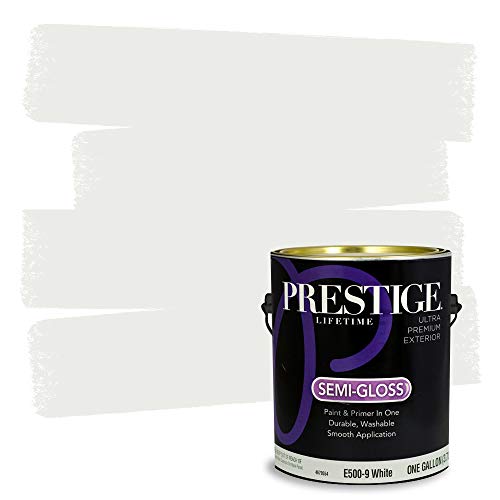 PRESTIGE Exterior Paint and Primer In One
- Ultra premium paint and primer in one
- High hiding formula for excellent coverage with smooth…
- 100% Acrylic latex paint for easy soap and…
 Rhibak Paint Roller Kit with Extension Pole
- 【All IN ONE 】Great painting tool kit with…
- 【ADJUSTABLE EXTENSION POLE】The paint roller adjustable extension pole…
- 【HIGH EFFICIENCY AND ADAPTABILITY】You'll get beautiful finishes and…
As an Amazon Associate we earn from qualifying purchases at no extra cost to you.
Best exterior house paint by situation
| Situation | Best paint type | Useful target specifications | Typical service expectation |
|---|---|---|---|
| Wood siding in a mixed climate | Premium 100% acrylic exterior paint | 350–400 sq. ft. per gallon; satin or low-luster finish; flexible film | 7–10 years, depending on preparation and sun exposure |
| Fiber-cement siding | 100% acrylic or acrylic-urethane exterior coating | 350–450 sq. ft. per gallon; low-VOC option; satin sheen | 8–12 years with sealed joints and clean edges |
| Stucco, brick, or concrete | Breathable acrylic masonry paint or elastomeric coating | 250–400 sq. ft. per gallon; crack-bridging ability for elastomeric products | 7–12 years; inspect sooner for moisture problems |
| Humid, rainy, or heavily shaded home | Mildew-resistant 100% acrylic | 350–400 sq. ft. per gallon; low- or mid-sheen; fungicide in the dry film | 5–10 years, often limited by mildew and dirt rather than peeling |
| Very sunny or hot climate | Premium fade-resistant acrylic | Light-reflective color; satin finish; heat-rated application window | 7–12 years, with dark colors usually needing earlier maintenance |
Top choices for a durable exterior finish
Best overall: premium 100% acrylic exterior paint
For most painted wood, fiber-cement, and previously painted siding, a premium 100% acrylic is the safest all-purpose choice. Sherwin-Williams Duration Exterior, Benjamin Moore Aura Exterior, and Behr Marquee Exterior are examples of products in this category. They offer better adhesion, color retention, and flexibility than economy-grade vinyl-acrylic paints.
Premium acrylics cost more—often about $45 to $85 per gallon at regular market pricing—but the higher solids content can improve hiding and reduce the number of coats. The more important advantage is the film’s ability to expand and contract with siding without cracking as quickly.
Best for wood siding: flexible acrylic with a satin sheen
Wood moves as its moisture content changes, so the coating needs flexibility more than extreme hardness. A premium acrylic in satin or low-luster sheen usually provides the best balance of washability, light reflection, and defect concealment. Sherwin-Williams Emerald Exterior and Benjamin Moore Aura Exterior are suitable examples when the surface is properly primed.
Do not use paint to hide rotten boards, open joints, or failed caulk. Replace damaged wood, prime exposed areas, and use a paintable exterior sealant around trim and penetrations. The caulk often fails before the broad painted surfaces do.
Best for stucco and masonry: breathable masonry coating
Stucco, concrete, and many brick surfaces need a coating that tolerates alkaline surfaces and allows water vapor to escape. Acrylic masonry paint is a good general option. Elastomeric coatings are thicker and can bridge very small surface cracks, but they should not be used to conceal active leaks or widespread structural movement.
Expect lower coverage from thick masonry coatings—commonly about 250 to 350 square feet per gallon. Applying too thick a coat over damp masonry can trap moisture and lead to blistering or peeling. Check the substrate moisture and follow the product’s primer requirements before painting.
Best for humid or shaded elevations: mildew-resistant acrylic
In coastal, tropical, or persistently damp areas, choose a paint labeled for mildew resistance rather than simply selecting a glossy finish. Mildew-resistant additives help the dry film resist biological growth, but they cannot correct water intrusion, clogged gutters, leaking flashing, or vegetation touching the wall.
A satin or low-luster finish is generally easier to wash than flat paint while still hiding minor siding irregularities. Clean existing mildew with an appropriate exterior cleaner, rinse thoroughly, and allow the surface to dry before priming or painting. Never paint over visible biological growth.
What to compare before buying
Siding compatibility
- Wood: use acrylic paint over a sound painted surface; spot-prime bare wood and tannin-prone species with the recommended exterior primer.
- Fiber cement: acrylic paint is usually appropriate, but seal cut ends and follow the siding manufacturer’s guidance.
- Vinyl: use a vinyl-safe exterior paint and avoid colors that absorb excessive heat unless the paint is specifically formulated for them.
- Stucco and concrete: select masonry-compatible acrylic or elastomeric paint and investigate moisture before coating.
- Metal: remove rust, use a corrosion-resistant primer where required, and choose a coating compatible with the metal and existing finish.
Coverage and hiding
Coverage printed on the can is usually an estimate for a smooth, sealed surface. Rough siding, porous stucco, strong color changes, and heavy texture can reduce real coverage by 15% to 30%. Two thin coats normally produce a more uniform and durable finish than one excessively thick coat.
For example, suppose a home has 2,400 square feet of paintable wall area. At an effective 350 square feet per gallon, one coat requires about 6.9 gallons:
2,400 ÷ 350 = 6.86 gallons
Round up to 7 gallons for one coat, then plan for about 14 gallons for two coats, plus 1 to 2 gallons for trim, touch-ups, and waste. If the siding is porous or the color change is substantial, buying 16 gallons may be more realistic than buying the mathematical minimum.
Fading and color choice
Sun exposure, heat, and pigment chemistry determine fading more than sheen does. Light and mid-tone colors generally hold their appearance longer than saturated reds, deep blues, and near-black shades. Dark colors can also heat siding and increase movement, especially on vinyl and thin metal.
If you want a dark exterior, select a paint labeled for that use and ask for a color system designed with exterior durability in mind. Test a sample on several sides of the house; a color that looks balanced on a shaded wall may appear much lighter and warmer in direct sun.
Sheen
- Flat: hides surface flaws best but collects dirt and is harder to wash.
- Low-luster or eggshell: a useful choice for broad siding when available.
- Satin: the common exterior compromise—cleanable, moderately reflective, and durable.
- Semi-gloss: appropriate for doors, shutters, trim, and railings; it highlights dents and uneven preparation on large walls.
Application temperature and weather
Many exterior acrylic paints specify an application range around 50°F to 90°F, although some newer formulas allow application at temperatures near 35°F. The label controls: minimum surface temperature, overnight temperature, humidity, rain resistance, and recoat time vary by product.
Avoid painting when rain, dew, fog, or freezing temperatures are expected before the film has cured. Direct hot sunlight can make paint dry too quickly, causing lap marks and poor leveling. Start on the shaded side and stop before the wall becomes too hot to work comfortably.
Decision matrix: spend more or save?
| Your priority | Recommended choice | Where not to economize |
|---|---|---|
| Lowest upfront cost | Mid-grade acrylic with a compatible primer | Surface cleaning, caulk, and bare-wood primer |
| DIY painter with limited experience | Premium acrylic with longer open time and strong touch-up properties | Application tools and weather planning |
| Maximum time between repaints | Premium acrylic or acrylic-urethane system | Replacing damaged siding and sealing end grain |
| Dark color in intense sun | Fade-resistant, color-approved exterior formula | Primer compatibility and manufacturer color restrictions |
| Damp, shaded walls | Mildew-resistant acrylic with a washable satin finish | Fixing drainage, leaks, and vegetation contact |
Preparation determines service life
Wash dirt, chalk, pollen, and mildew from the surface; scrape loose paint; sand sharp edges; replace failed caulk; and prime exposed or repaired areas. A chalky surface can cause adhesion failure even when the new paint is expensive. If rubbing the wall leaves a powdery residue on your hand, it needs additional cleaning and possibly a bonding or chalk-binding primer.
Keep a small amount of leftover paint labeled with the color, sheen, date, and surfaces used. Store it where it will not freeze. Inspect the exterior every spring: clean gutters, trim plants away from walls, recaulk open joints, and touch up exposed substrate before water reaches it.
FAQ
Is two coats of exterior paint always necessary?
No, but two coats are often worthwhile when changing colors, covering porous siding, painting over a repaired area, or seeking a more uniform sheen. Follow the label’s recoat interval instead of applying the second coat as soon as the surface feels dry.
Is expensive exterior paint worth it?
It can be, especially where labor and scaffolding cost more than the paint. Premium paint will not compensate for damp siding, poor preparation, or incorrect primer, but it can improve hiding, flexibility, washability, and color retention. Compare the total repainting cost rather than only the price per gallon.
How long should exterior house paint last?
A realistic range is about 5 to 12 years. Sun-facing walls, harsh winters, coastal salt, heavy rain, dark colors, and neglected caulk shorten that interval. The best exterior house paint is the one compatible with the substrate and applied to a clean, dry, properly repaired surface.









